

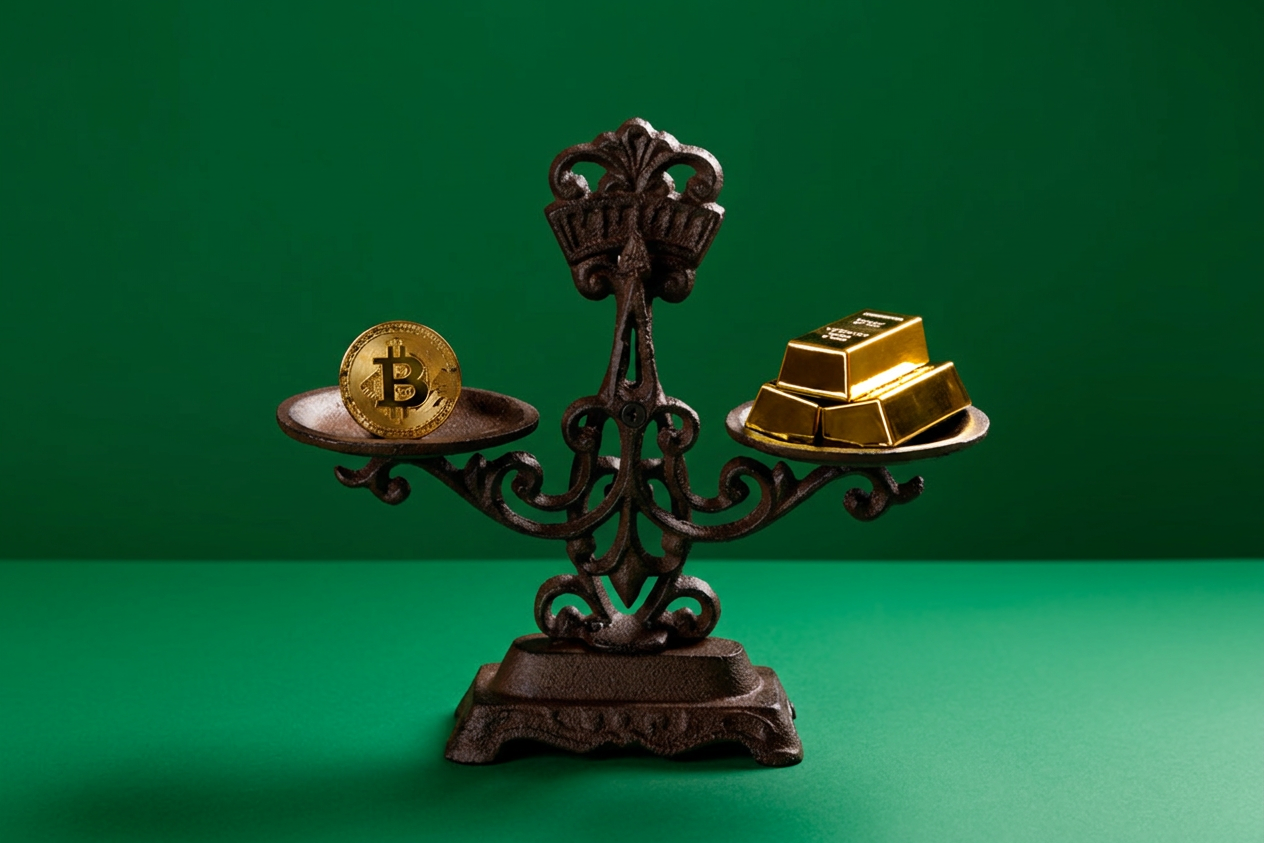
Bitcoin và vàng không còn đơn thuần là sự so sánh về nơi trú ẩn an toàn. Dưới đây là bốn dấu hiệu cho thấy mọi thứ đang thay đổi trong quý 4 năm 2026.
Vàng đã có hàng thế kỷ để tạo dựng uy tín. Bitcoin mới chỉ có chưa đầy 20 năm, và trong phần lớn thời gian đó, các nhà đầu tư định chế có thể dễ dàng phớt lờ nó với lý do quá biến động hoặc quá khó tiếp cận.
Tính đến năm 2026, lập luận đó có vẻ đã yếu đi.
Các quỹ hoán đổi danh mục (ETF) Bitcoin giao ngay đã mở ra một con đường mới tiếp cận Bitcoin, sự tham gia của các nhà đầu tư định chế đã sâu rộng hơn và thị trường này giao dịch liên tục 24/7.
Khi các nhà đầu tư lo ngại về nợ công, lạm phát hoặc những bước đi tiếp theo của các ngân hàng trung ương, Bitcoin giờ đây đã xuất hiện trong những cuộc thảo luận vốn trước đây gần như thuộc về quyền sở hữu độc tôn của vàng.
Câu hỏi đặt ra cho Quý 4 là liệu thị trường có đang bắt đầu gán cho hai tài sản này những vai trò khác nhau hay không.

Khi hạ tầng thị trường ngày càng hoàn thiện, Bitcoin ngày càng cạnh tranh trực tiếp đối với các khoản phân bổ từ các tổ chức vốn trước đây chỉ dành riêng cho vàng.
Tại sao cuộc tranh luận này quay trở lại
Tổng nợ công của Mỹ đã vượt mốc 40 nghìn tỷ USD vào ngày 18 tháng 8 năm 2026. Cùng lúc đó, mức nợ cao hơn và chi phí đi vay gia tăng đang thu hút thêm sự chú ý vào hóa đơn trả lãi của chính phủ và khối lượng trái phiếu Kho bạc mà thị trường phải hấp thụ.
Văn phòng Ngân sách Quốc hội Mỹ (CBO) ước tính chi phí trả lãi ròng đạt 963 tỷ USD trong 10 tháng đầu của năm tài chính 2026, cao hơn 14% so với cùng kỳ một năm trước đó.
Bộ Tài chính Mỹ cũng dự kiến sẽ vay 628 tỷ USD nợ có thể giao dịch ròng do tư nhân nắm giữ trong quý từ tháng 10 đến tháng 12.
Với đợt bầu cử giữa kỳ của Mỹ đang đến gần vào ngày 3 tháng 11, các khoản vay, thâm hụt và chính sách tài khóa nhiều khả năng sẽ tiếp tục là một phần trong cuộc thảo luận trên thị trường.
Lạm phát cũng chưa hoàn toàn biến mất, trong khi đà tăng trưởng không đồng đều đồng nghĩa với việc chính sách tiền tệ thắt chặt mang theo những rủi ro riêng.
Vàng đã từng được kiểm chứng trong môi trường trú ẩn an toàn này trước đây. Bitcoin thì chưa, mặc dù hiện tại nó đã sở hữu đủ hạ tầng thị trường để các nhà đầu tư theo dõi liệu một số lực lượng tương tự có phát huy tác động hay không.
Vàng và Bitcoin phân hóa dưới áp lực
Vàng có tính khan hiếm vật lý, nằm trên bảng cân đối kế toán của các ngân hàng trung ương và có lịch sử lâu đời với tư cách là một công cụ lưu trữ giá trị. Trong khi Bitcoin sở hữu cấu trúc phát hành cố định, khả năng tiếp cận thị trường toàn cầu và không có chính phủ nào đứng sau nguồn cung của nó.
Sự khác biệt trở nên rõ ràng hơn khi độ biến động (volatility) gia tăng.
Nghiên cứu của Hội đồng Vàng Thế giới ghi nhận độ biến động trung bình hằng năm trong 20 năm của vàng ở mức khoảng 17%. Phân tích này cũng cho thấy độ biến động của vàng nhìn chung duy trì trong khoảng từ 10% đến 18% trong phần lớn các giai đoạn, mặc dù năm 2026 đã chứng minh nó có thể tăng vọt trong những đợt căng thẳng thị trường nghiêm trọng.
Bitcoin vẫn có độ biến động cao hơn đáng kể. Báo cáo gửi lên SEC ghi nhận độ biến động hằng ngày lịch sử quy năm của Bitcoin đạt 45,45% vào năm 2023, 51,89% vào năm 2024 và 43,30% vào năm 2025.
| Tài sản | Độ biến động hằng năm | Bối cảnh |
|---|---|---|
| Vàng giao ngay (Spot gold) | Khoảng 17% | Trung bình 20 năm |
| Bitcoin, 2023 | 45,45% | Độ biến động hằng ngày lịch sử quy năm |
| Bitcoin, 2024 | 51,89% | Độ biến động hằng ngày lịch sử quy năm |
| Bitcoin, 2025 | 43,30% | Độ biến động hằng ngày lịch sử quy năm |
Khi thanh khoản thắt chặt, Bitcoin có thể vận hành giống một tài sản rủi ro có hệ số beta cao. Các vị thế đòn bẩy bị giải chấp, nhà đầu tư huy động tiền mặt và sự tương quan với cổ phiếu có thể gia tăng. Vàng nhìn chung duy trì trạng thái ổn định hơn.
Do đó, thuật ngữ "vàng kỹ thuật số" chỉ mang tính so sánh tương đối.
4 Dấu hiệu cho thấy mối quan hệ đang thay đổi
1. Nhịp di chuyển thứ hai có thể mang ý nghĩa quan trọng hơn
Trong giai đoạn đầu của một đợt hoảng loạn thị trường, dòng vốn phòng thủ có thể ưu ái vàng trong khi Bitcoin có thể bị bán cùng cổ phiếu do đòn bẩy rút khỏi thị trường.
Khi đợt bán tháo cưỡng bức qua đi, Bitcoin có thể trở nên nhạy cảm hơn với những kỳ vọng của thị trường về thanh khoản và chính sách tiền tệ.
Các giai đoạn lịch sử từng mang lại những kết quả khác nhau, do đó mối quan hệ này không nên được coi là một mô hình giao dịch hay dự báo đáng tin cậy.
Vàng có thể phản ứng đầu tiên với cú sốc, trong khi Bitcoin có thể trở nên nhạy cảm hơn với những gì thị trường nghĩ các nhà quản lý chính sách sẽ làm tiếp theo.
2. Rào cản tiếp cận Bitcoin đã được thu hẹp
Trong nhiều năm, vàng sở hữu lợi thế định chế vốn chủ yếu xoay quanh hạ tầng.
Các quỹ có thể tiếp cận vàng thông qua các quỹ ETF, hợp đồng tương lai, lưu ký và thị trường vật chất đã định hình. Bitcoin lại đòi hỏi một con đường ít quen thuộc hơn.
Các quỹ ETF Bitcoin giao ngay đã gỡ bỏ một phần rào cản đó và mang lại cho một số nhà đầu tư định chế một phương thức tiếp cận quy chuẩn hơn.
Điều đó làm thay đổi khả năng tiếp cận. Nó không biến Bitcoin thành tài sản tương đương hoàn toàn với vàng.
3. Nợ công Mỹ đang trở thành một biến số thị trường
Con số 40 nghìn tỷ USD thu hút sự chú ý, nhưng hoạt động tài trợ phía sau nó mới mang ý nghĩa lớn hơn.
Nợ nhiều hơn đồng nghĩa với việc phát hành nhiều hơn, trong khi chi phí đi vay cao hơn làm gia tăng nghĩa vụ trả nợ. Dự báo vay 628 tỷ USD trong Quý 4 của Bộ Tài chính đưa nguồn cung đó trực tiếp ra trước thị trường.
Và lý do khiến lợi suất tăng giữ vai trò rất quan trọng.
Lợi suất tăng do tăng trưởng kinh tế có thể tạo ra phản ứng thị trường rất khác so với lợi suất tăng vì nhà đầu tư đòi hỏi mức bù đắp rủi ro cao hơn để nắm giữ nợ chính phủ dài hạn.
Vàng đã đảm nhận vai trò lưu trữ giá trị phi chủ quyền qua nhiều thế hệ. Bitcoin hiện đang được kiểm chứng song hành cùng nó, mặc dù với độ biến động và độ nhạy cảm cao hơn nhiều đối với thanh khoản.
4. Bitcoin tiếp tục giao dịch khi các thị trường truyền thống đóng cửa
Một tiêu đề địa chính trị có thể bùng nổ vào Thứ Bảy trong khi nhiều thị trường truyền thống đóng cửa.
Bitcoin vẫn tiếp tục giao dịch.
Điều đó cho phép giá phản ứng tức thì, mặc dù thanh khoản vào cuối tuần và ngoài giờ có thể mỏng hơn, điều này cũng có thể tạo ra các nhịp biến động khốc liệt hơn.
Giao dịch liên tục gia tăng sự linh hoạt. Nó không tự động biến Bitcoin thành một tài sản phòng thủ theo mặc định.
Nơi nhãn dán "vàng kỹ thuật số" trở nên không còn phù hợp
Bitcoin có thể trải qua các đợt sụt giảm giá kéo dài nhiều ngày trong các giai đoạn giải chấp đòn bẩy. Trong một đợt sốc thanh khoản nghiêm trọng, sự tương quan cũng có thể gia tăng nhanh chóng khi các nhà đầu tư đáp ứng yêu cầu ký quỹ, giảm đòn bẩy và huy động tiền mặt.
Do đó, Bitcoin có thể giảm giá cùng với chứng khoán ngay cả khi luận điểm đầu tư dài hạn của nó tập trung vào tính khan hiếm hoặc lo ngại về sự mất giá của tiền pháp định.
Chỉ riêng tính khan hiếm không quyết định cách một tài sản vận hành dưới áp lực. Thanh khoản, đòn bẩy và cấu trúc thị trường cũng giữ vai trò quyết định.
Những yếu tố cần theo dõi tiếp theo
Bài kiểm tra tiếp theo đến từ lạm phát Mỹ và thông điệp của Cục Dự trữ Liên bang.
Biên bản họp tháng 9 của Ủy ban Thị trường Mở Liên bang (FOMC) dự kiến công bố vào ngày 7 tháng 10, trong khi dữ liệu Chỉ số Giá Tiêu dùng (CPI) tháng 9 sẽ ra mắt vào ngày 14 tháng 10.
Lạm phát hạ nhiệt hoặc lợi suất trái phiếu Kho bạc thấp hơn có thể làm giảm một phần áp lực tỷ khấu trừ đối với các tài sản kỹ thuật số. Đồng Đô la Mỹ đanh thép hơn hoặc áp lực thanh khoản trở lại có thể đè nặng lên Bitcoin, trong khi nhu cầu phòng thủ có thể mang lại lực đỡ cho vàng.
Đến tháng 11, sự chú ý sẽ dịch chuyển sang đợt bầu cử giữa kỳ của Mỹ và những tác động của kết quả đối với chính sách tài khóa, đợt phát hành trái phiếu Kho bạc và triển vọng chính sách tiến vào năm 2027.
Thông điệp cốt lõi
Bitcoin không thay thế vàng.
Điều thay đổi là hệ thống tài chính xung quanh Bitcoin. Khả năng tiếp cận của các tổ chức đã sâu rộng hơn, các quỹ ETF giao ngay đã hiện hữu và thị trường không bao giờ đóng cửa.
Vàng vẫn sở hữu độ biến động thấp hơn, sự tham gia sâu rộng của các ngân hàng trung ương và lịch sử lâu đời với tư cách là một tài sản dự trữ tiền tệ.
Bitcoin có độ biến động cao hơn, nhạy cảm hơn với thanh khoản và phơi nhiễm nhiều hơn với đòn bẩy.
Hai tài sản này ngày càng phản ứng với một số áp lực vĩ mô tương đồng, nhưng khi thị trường rơi vào trạng thái căng thẳng, chúng vẫn có thể vận hành rất khác nhau.
Gold has had centuries to establish its reputation. Bitcoin has had less than 20 years, and for much of that time institutional investors could dismiss it as too volatile or too difficult to access.
By 2026, that case looks weaker.
Spot exchange-traded funds (ETFs) have opened another route into Bitcoin, institutional participation is deeper and the market trades around the clock.
When investors worry about government debt, inflation or what central banks might do next, Bitcoin now appears in discussions that once belonged almost entirely to gold.
The Q4 question is whether markets are beginning to assign the 2 assets different roles.
As market infrastructure deepens, Bitcoin is increasingly competing for institutional allocations traditionally reserved for gold.
Why this debate is back
US total public debt outstanding crossed US$40 trillion on 18 August 2026. At the same time, higher debt levels and borrowing costs are putting more attention on the government's interest bill and the amount of Treasury supply markets must absorb.
The Congressional Budget Office (CBO) estimated net interest outlays of US$963 billion in the first 10 months of the 2026 financial year, 14% higher than the comparable period a year earlier.
Treasury also expects to borrow US$628 billion in privately held net marketable debt during the October to December quarter.
With the US midterm elections approaching on 3 November, borrowing, deficits and fiscal policy are likely to remain part of the market discussion.
Inflation has not disappeared either, while uneven growth means restrictive monetary policy carries its own risks.
Gold has been tested in this safe-haven environment before. Bitcoin has not, although it now has enough market infrastructure for investors to see whether some of the same forces matter.
Gold and Bitcoin diverge under pressure
Gold is physically scarce, sits on central bank balance sheets and has a long history as a store of value. While Bitcoin has a fixed issuance structure, global market access and no government standing behind its supply.
The difference becomes clearer when volatility rises.
World Gold Council research puts gold's 20-year average annualised volatility at around 17%. Its analysis also shows that gold's volatility has generally remained between 10% and 18% during most periods, although 2026 demonstrated that it can move sharply higher during severe market stress.
Bitcoin remains considerably more volatile. An SEC filing reports annualised historical daily volatility of 45.45% in 2023, 51.89% in 2024 and 43.30% in 2025.
| Asset | Annual volatility | Context |
|---|---|---|
| Spot gold | Approx. 17% | 20-year average |
| Bitcoin, 2023 | 45.45% | Annualised historical daily volatility |
| Bitcoin, 2024 | 51.89% | Annualised historical daily volatility |
| Bitcoin, 2025 | 43.30% | Annualised historical daily volatility |
When liquidity tightens, Bitcoin can behave more like a high-beta risk asset. Leveraged positions unwind, investors raise cash and correlations with equities can rise. Gold has generally been steadier.
So the term digital gold only takes the comparison so far.
4 signs the relationship is changing
1. The second move can matter more
During the first stage of a market scare, defensive flows can favour gold while Bitcoin may be sold alongside equities as leverage comes out of the market.
Once forced selling passes, Bitcoin can become more sensitive to what markets expect from liquidity and monetary policy.
Historical episodes have produced different outcomes, so this relationship should not be treated as a reliable trading pattern or forecast.
Gold may respond first to the shock, while Bitcoin can become more sensitive to what markets think policymakers will do next.
2. Bitcoin's access problem has narrowed
For years, gold had an institutional advantage that was mostly about infrastructure.
Funds could access it through established ETFs, futures, custody arrangements and physical markets. Bitcoin required a less familiar route.
Spot Bitcoin ETFs removed part of that barrier and gave some institutional investors a more conventional way to gain exposure.
That changes access. It does not make Bitcoin equivalent to gold.
3. US debt is becoming a market variable
The US$40 trillion figure attracts attention, but the financing behind it matters more.
More debt means more issuance, while higher borrowing costs increase debt-servicing requirements. Treasury's US$628 billion Q4 borrowing estimate puts that supply directly in front of the market.
And the reason yields rise matters.
Growth-driven yields can produce a very different market response from yields rising because investors demand greater compensation for holding longer-term government debt.
Gold has occupied the non-sovereign store-of-value role for generations. Bitcoin is now being tested alongside it, although with much greater volatility and sensitivity to liquidity.
4. Bitcoin keeps trading when traditional markets close
A geopolitical headline can break on Saturday while many traditional markets are closed.
Bitcoin keeps trading.
That allows prices to respond immediately, although weekend and off-hour liquidity can be thinner, which can also produce sharper moves.
Continuous trading adds flexibility. It does not make Bitcoin defensive by default.
Where the "digital gold" label breaks down
Bitcoin can experience sharp multi-day drawdowns during periods of deleveraging. During a serious liquidity shock, correlations can also rise quickly as investors meet margin calls, reduce leverage and raise cash.
Bitcoin may therefore fall alongside equities even when its longer-term investment case centres on scarcity or concerns about fiat currencies.
Scarcity alone does not determine how an asset behaves under stress. Liquidity, leverage and market structure matter too.
What to watch next
The next test comes from US inflation and Federal Reserve communication.
The Federal Open Market Committee (FOMC) minutes from the September meeting are scheduled for 7 October, while September Consumer Price Index (CPI) data are due on 14 October.
Softer inflation or lower Treasury yields could reduce some discount-rate pressure on digital assets. A firmer US dollar or renewed liquidity pressure could weigh on Bitcoin, while defensive demand may provide support for gold.
By November, attention shifts towards the US midterm elections and what the result could mean for fiscal policy, Treasury issuance and the policy outlook into 2027.
Bottom line
Bitcoin is not replacing gold.
What has changed is the financial system around Bitcoin. Institutional access is deeper, spot ETFs exist and the market never closes.
Gold still has lower volatility, deep central bank participation and a long history as a monetary reserve asset.
Bitcoin is more volatile, more sensitive to liquidity and more exposed to leverage.
The 2 assets are increasingly responding to some of the same macro pressures, but when markets come under stress, they may still behave very differently.