Berita & analisis pasar
Tetap selangkah lebih maju di pasar dengan wawasan ahli, berita, dan analisis teknikal untuk memandu keputusan trading Anda.
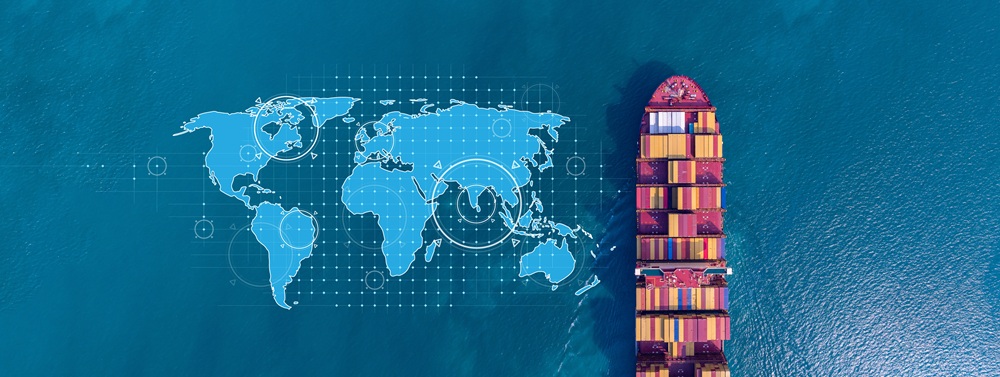
Amerika Latin (LATAM) melihat volume crypto lebih dari $730 miliar pada tahun 2025, lonjakan 60% tahun-ke-tahun yang membuat wilayah tersebut bertanggung jawab atas sekitar 10% dari aktivitas kripto global.
Pada tahun 2026, pemain institusional mulai menganggap serius kawasan ini, regulasi mengkristal, dan pendorong struktural dari 2025 tidak menunjukkan tanda-tanda memudar. Tetapi wilayah ini bukan cerita tunggal, dan 2026 akan menguji apakah momentum saat ini dibangun di atas fundamental yang solid atau optimisme spekulatif.
Fakta singkat
- Pengguna crypto aktif bulanan LATAM tumbuh 18% tahun-ke-tahun (YoY), tiga kali lebih cepat daripada AS.
- Argentina mencapai 12% penetrasi pengguna aktif bulanan, menyumbang lebih dari seperempat aktivitas kripto di kawasan itu.
- Lebih dari 90% arus kripto Brasil sekarang terkait stablecoin.
- Tiga negara LATAM berada di peringkat 20 besar global: Brasil (ke-5), Venezuela (ke-18), Argentina (ke-20).
- Unduhan aplikasi kripto Peru tumbuh 50% pada tahun 2025, dengan 2,9 juta unduhan.

Dari alat kelangsungan hidup hingga infrastruktur keuangan
Amerika Latin tidak merangkul cryptocurrency karena spekulasi. Ia memeluknya karena sistem keuangan tradisional berulang kali mengecewakan orang biasa. Selama 15 tahun terakhir, inflasi tahunan rata-rata di lima ekonomi terbesar di kawasan itu mencapai 13%, dibandingkan dengan hanya 2,3% di AS selama periode yang sama.
Di Venezuela, mencapai 65.000% dalam satu tahun. Di Argentina, itu melebihi 220% pada tahun 2024. Bagi jutaan orang, menyimpan tabungan dalam mata uang lokal adalah tindakan penghancuran diri yang lambat. Stablecoin menjadi respons alami. Aset digital yang dipatok ke dolar AS menawarkan penyimpanan nilai yang andal, transferabilitas tanpa batas, dan akses tanpa rekening bank.
Tidak seperti di Barat, di mana crypto dilihat lebih sebagai instrumen spekulatif, di LATAM itu telah menjadi alat keuangan yang diperlukan. Namun, penggerak adopsi tidak sepenuhnya seragam di seluruh wilayah. Brasil dan Meksiko adalah cerita institusional, didorong oleh partisipasi pasar yang diatur dan pemain keuangan mapan.
Argentina dan Venezuela tetap menjadi permainan penyimpan nilai, dengan crypto berfungsi sebagai lindung nilai langsung terhadap keruntuhan fiat. Dan Peru dan Kolombia adalah pasar yang lebih mencari hasil, di mana crypto menawarkan pengembalian yang tidak dapat ditandingi oleh rekening tabungan tradisional.

Seberapa cepat LATAM mengadopsi crypto?
Volume crypto on-chain LATAM naik 60% tahun-ke-tahun pada tahun 2025. Wilayah ini telah mencatat hampir $1.5 triliun dalam volume kumulatif sejak pertengahan 2022, memuncak pada rekor $87.7 miliar dalam satu bulan pada Desember 2024.
Pengguna crypto aktif bulanan di seluruh LATAM juga tumbuh 18% pada tahun 2025, tiga kali lebih cepat daripada AS.
Stablecoin adalah kendaraan utama yang mendorong adopsi ini. Dari $730 miliar yang diterima pada tahun 2025, $324 miliar bergerak melalui transaksi stablecoin, lonjakan 89% tahun-ke-tahun. Di Brasil, lebih dari 90% dari semua arus kripto terkait stablecoin, dan di Argentina, stablecoin menyumbang lebih dari 60% aktivitas.
Ke depan, pasar cryptocurrency Amerika Latin diperkirakan akan mencapai $442.6 miliar pada tahun 2033, tumbuh pada tingkat tahunan gabungan 10.93% dari 2025, menurut IMARC Group.
Bagi para pedagang, kecepatan adopsi kurang penting sebagai berita utama daripada apa yang mendorongnya: wilayah 650 juta orang membangun infrastruktur keuangan paralel secara real time, dengan stablecoin sebagai fondasinya.
Pergantian kelembagaan
Untuk sebagian besar sejarah crypto LATAM, adopsi dilakukan dari bawah ke atas. Pengguna ritel yang tidak memiliki rekening bank atau kekurangan bank mendorong volume melalui bursa lokal. Gambaran itu sekarang berubah di ujung atas pasar.
Pada Februari 2026, Crypto Finance Group, bagian dari operator pertukaran global terkemuka Deutsche Börse Group, mengumumkan ekspansinya ke Amerika Latin, menargetkan bank, manajer aset, dan perantara keuangan yang mencari infrastruktur penyimpanan dan perdagangan tingkat lembaga.
Bank tradisional dan fintech mengikutinya. Nubank sekarang memberi penghargaan kepada pelanggan karena memegang USDC. Bursa B3 Brasil menyetujui XRP dan SOL ETF spot pertama di dunia, di depan AS, pada tahun 2025. Pertukaran terpusat, termasuk Mercado Bitcoin, NovaDAX, dan Binance, secara kolektif telah mendaftarkan lebih dari 200 pasangan perdagangan berdenominasi BRL baru sejak awal 2024.
Pada Maret 2025, fintech Brasil Meliuz menjadi perusahaan publik pertama di negara itu yang meluncurkan strategi akumulasi Bitcoin, sekarang memegang 320 BTC.
“Adopsi Crypto di LATAM sudah berskala global. Apa yang dibutuhkan pasar sekarang adalah tata kelola tingkat institusi, dan itulah mengapa kami ada di sini,” — Stijn Vander Straeten, CEO Crypto Finance Group
Kasus penggunaan pengiriman uang kripto
Amerika Latin menerima ratusan miliar dolar setiap tahun dari pekerja di luar negeri, menjadikan pengiriman uang salah satu kasus penggunaan kripto yang paling konkret dan terukur di wilayah ini. Layanan transfer tradisional mengenakan biaya rata-rata 6,2% per transaksi. Pada transfer US$300, itu kira-kira US $20 dalam biaya.
Infrastruktur berbasis blockchain secara lebih luas menawarkan pengurangan biaya yang dramatis. Bitcoin membawa biaya sekitar US $3,12 per US $100 yang ditransfer. Sementara alternatif yang lebih murah seperti infrastruktur XRP atau Ethereum layer-2 dapat menguranginya menjadi kurang dari US $0,01.
Bagi seorang pekerja migran yang mengirim pulang $1.500 ke Peru, beralih dari bank lama menghemat lebih dari upah mingguan rata-rata Peru dalam biaya saja.
Lingkungan peraturan kripto LATAM
Variabel yang paling menentukan apakah LATAM memenuhi potensi 2026-nya adalah regulasi crypto. Dan di sini, gambarnya benar-benar bercampur.
Brasil memimpin wilayah dengan Undang-Undang Aset Virtual, yang mencakup pemisahan aset, lisensi VASP, persyaratan AML/KYC, dan standar modal. Ini juga menerapkan Aturan Perjalanan untuk transfer VASP domestik, yang mulai berlaku pada Februari 2026. Namun, beberapa proposal yang lebih kontroversial, termasuk batas US $100.000 pada transaksi stablecoin lintas batas dan larangan transfer dompet self-custodia, tetap berada di bawah konsultasi aktif.
Undang-Undang Fintech 2018 Meksiko tetap menjadi salah satu pengakuan formal paling awal di dunia atas aset virtual. Undang-Undang Fintech 2023 Chili menetapkan lisensi untuk bursa, dompet, dan penerbit stablecoin, secara resmi mengakui aset digital sebagai 'uang digital'.
Bolivia membalikkan larangan kripto selama satu dekade pada Juni 2024 dengan mengotorisasi transaksi aset digital yang diatur. Argentina memperkenalkan pendaftaran pertukaran wajib pada tahun 2025. Dan El Salvador terus memperluas inisiatif ekonomi token meskipun menghapus status tender legal Bitcoin.
Sepuluh negara di seluruh wilayah sekarang memiliki semacam kerangka kerja kripto formal. Tetapi bagi para pedagang, divergensi peraturan tetap menjadi risiko nyata, dan mengingat Brasil menerima hampir sepertiga dari semua volume kripto LATAM, setiap pembalikan kebijakan yang signifikan di sana dapat memiliki konsekuensi yang sangat besar.

Apa yang harus diperhatikan pedagang
Momentum kelembagaan Brasil adalah tren struktural yang paling signifikan. Dengan volume on-chain $318.8 miliar pada tahun 2025, Brasil secara efektif adalah pasar LATAM.
Hasil konsultasi stablecoin Brasil dapat memiliki pengaruh besar. Pembatasan stablecoin asing dalam pembayaran domestik akan secara langsung berdampak pada kelas aset yang paling banyak diperdagangkan di pasar dominan kawasan itu.
Argentina adalah permainan volatilitas. Penetrasi pengguna aktif bulanan sebesar 12% dan 5.4 juta unduhan aplikasi crypto pada tahun 2025 menandakan keterlibatan ritel yang mendalam dan berkembang.
Kolombia adalah pasar peringatan dini yang harus diperhatikan. Depresiasi peso 5,3% pada tahun 2025 dan krisis fiskal yang semakin dalam mendorong arus masuk stablecoin dalam pola yang mencerminkan lintasan Argentina di tahun-tahun sebelumnya. Jika situasi makro Kolombia semakin memburuk, adopsi crypto dapat dipercepat.
Ada juga risiko konsentrasi pertukaran yang dimainkan. Pertukaran kripto Binance adalah pertukaran utama untuk lebih dari 50% pengguna kripto LATAM. Jika bursa menghadapi tindakan regulasi, gangguan operasional, atau guncangan kompetitif, itu dapat memiliki dampak pasar yang sangat besar.
Intinya
Pasar crypto Amerika Latin telah memasuki fase baru. Penggerak struktural yang menyebabkan permintaan crypto awal di kawasan ini belum hilang: inflasi, pengiriman uang, pengecualian keuangan, dan ketidakstabilan mata uang semuanya masih berperan.
Apa yang telah berubah adalah lapisan yang dibangun di atasnya. Infrastruktur kelembagaan, kerangka peraturan, adopsi perbendaharaan perusahaan, dan modal pertukaran global mengalir ke wilayah yang, sampai saat ini, sebagian besar mandiri.
Pertumbuhan volume Brasil mendekati -250% pada tahun 2025 dan posisinya menerima hampir sepertiga dari semua kripto LATAM adalah perkembangan pasar yang menentukan. Lintasan peraturannya, keputusan kebijakan stablecoin, dan jalur ETF akan secara efektif mengatur nada untuk wilayah tersebut pada tahun 2026.
Bagi pedagang, angka pertumbuhan utama adalah nyata, tetapi begitu juga risiko konsentrasi, ketidakpastian peraturan, dan divergensi tingkat negara yang berada di bawahnya.

Trading terms glossary A - B - C - D - E - F - G - H - I - J - K - L - M - N - O - P - Q - R - S - T - U - V - W - X - Y - Z - L Leverage Leverage lets traders multiply their investment without the need to invest additional capital. e.g. If a broker offers 20:1 leverage, with an investment of $1,000 a trader could open a position of $20,000. It is important to note that leverage amplifies both profits and losses, it is critical this be factored in when determining risk and potential losses.
Liabilities Liabilities are a companies debts and financial obligations represented on its balance sheet. This is critical in determining the value of a company when potentially investing and liabilities offset company assets. Limit orders Limit orders execute a trade at a particular level that is more favorable than the marketing price at that time.
Limit down / limit up Limit down is the maximum amount a commodity future may decrease, while limit up is the maximum amount one may increase, in a single trading session. Liquidity (Market liquidity) Liquidity is used in finance to describe how easily an asset can be traded. When there is a high volume of active traders of an asset, there is high liquidity, and it is easier to find buyers and sellers for that asset.
Low liquidity markets can be difficult to trade, as there may not be many buyers and sellers willing to trade at an agreeable price. London Interbank Offered Rate (LIBOR) LIBOR is a daily reference rate based on the interest rates at which banks borrowed unsecured funds from other banks in the London interbank market, however LIBOR is being gradually discontinued. USD-LIBOR has been replaced by SOFR (Secured Overnight Financing Rate) and GBP-LIBOR has been replaced by SONIA (Sterling overnight index average).
Long "Going long" refers to taking a position that makes profit if an asset’s market price rises. Also referred to as "taking a long position". Lot A lot is a standardised group of assets that is traded instead of a single asset.
In the futures markets, lots are referred to as "contract sizes".

Trading terms glossary A - B - C - D - E - F - G - H - I - J - K - L - M - N - O - P - Q - R - S - T - U - V - W - X - Y - Z - J

Trading terms glossary A - B - C - D - E - F - G - H - I - J - K - L - M - N - O - P - Q - R - S - T - U - V - W - X - Y - Z - I Iceberg order An Iceberg order divides large orders into smaller segments. They are often used by traders for the purpose of hiding the full order quantity in order to minimise market disruption. Ichimoku Cloud The Ichimoku Cloud is a technical analysis indicator that shows support and resistance levels, as well as momentum and trend direction.
Roughly translated from Japanese, 'Ichimoku Kinko Hyo' means ‘one look equilibrium chart,' meaning traders can receive an array of information with just one look. In the money In the money (ITM) is defined by an option’s state of ‘moneyness’. More specifically, it refers to when an option goes beyond its strike price, giving it an intrinsic value of more than $0.
Index An index is a measure of something. In trading, an index is a grouping of financial assets that are used to give a performance indicator of a particular sector. Indices trading Indices trading refers to traders' endeavors to make money on the price movements of indices.
Inflation Inflation is the increase in the cost of goods and services in an economy, or the decline in the purchasing power of money (devaluing of currency). Learn more about Inflation. Interest Interest is the charge levied against a party for borrowing money, which can be either a cost or a means of making profit for a trader.
In trading, it can also refer to the amount of ownership a stockholder has in a company. Interest rates The amount that a lender charges to a borrower for the loan of an asset. The rate is expressed as a percentage of the loan.
Intrinsic value Intrinsic value is a measure of the perceived value of an asset. This is not always the same as the current market price because assets can be over- or undervalued. Interbank/Interdealer Market A market only open to large financial institutions, to trade between them.
This market is not restricted to a physical location and it does not have a centralised exchange. Investment capital A trader’s investment capital is the financial resources they currently have available for trading. It could be in the form of money or other assets.
It can also refer to funds invested in a firm or company for the purpose of furthering its business objectives. Investor An investor is a person who devotes capital to an investment, with the hope of seeing a return. The main goal of any investor is to minimise risk and maximise return.
IPO IPO stands for initial public offering. This is the first sale of a stock by a company, when it goes public on a stock exchange. This can also be known as floating, flotation, or just ‘going public’.

Trading terms glossary A - B - C - D - E - F - G - H - I - J - K - L - M - N - O - P - Q - R - S - T - U - V - W - X - Y - Z - H Handle In trading, the term ‘handle’ has two meanings, depending on which market you are referring to. In most markets, handle is the the part of a price quote that exists to the left of the decimal point in the full quote. In forex, it refers to the part of the quote that you see in both the buy and sell price.
Hawks and doves The terms used by analysts and traders to classify the members of the Central Bank committee ahead of their votes and monetary policy is known as Hawks and doves. Learn more about Hawks and Doves Hedge/Hedging A hedge is an investment or trade designed to reduce your existing exposure to risk. The process of reducing risk via investments is termed as 'hedging'.
Heikin Ashi Heikin Ashi is a type of chart pattern used in technical analysis. Heikin Ashi charts are similar to candlestick charts, but the main difference is that a Heikin Ashi chart uses the daily price averages to show the median price movement of an asset. High frequency trading A form of advanced trading platform that processes a high numbers of trades very quickly using powerful computing technology is termed as High Frequency Trading (HFT).
It can be used to either find the best price for a single large order, or to find opportunities for profit in the market in real time.

Trading terms glossary A - B - C - D - E - F - G - H - I - J - K - L - M - N - O - P - Q - R - S - T - U - V - W - X - Y - Z - F Face Value Face value represents the amount that must be paid out at a bond or stock's maturity. It may also mean the dollar value of a security, set by the issuer. Fair value Fair value is the present value of a stock, once the stock's intrinsic value is considered.
This may cause debate, as fair value is based on a subjective understanding. Federal Reserve Referred to as the ‘Fed’ for short, the Federal Reserve is the central banking system in the United States. Fiat currency Money that is given legal tender status by a government and is not linked to the value of physical commodities like gold or silver.
Fibonacci retracement A Fibonacci retracement is a technical analysis tool that can help traders identify when to open and close a position, or when to apply stops and limits to their trades. It involves drawing trend lines on price charts between two points, usually the price highs and lows, in order to find possible areas of support and resistance. Fill Fill is the term used to refer to the completion of an order to trade a financial asset.
There is no guarantee that every trade will become filled. Financial instrument A financial instrument is a contract between two parties, which act as financial assets. These can be traded and settled.
Financial market A marketplace where the trading of securities occurs. The financial market provides an avenue for the purchase and sale of financial assets. Fixed costs Fixed costs are the expenses incurred by a company that are not impacted by the scale of production.
Fixed costs remain constant for a given period. Floating exchange rate A floating exchange rate is where the price of a currency is determined by supply and demand factors, relative to other currencies. Currencies with floating exchange rates can be traded without any restrictions, unlike fixed exchange rates.
FOMC The FOMC stands for the Federal Open Market Committee, which is a committee of the Federal Reserve System. The FOMC is in charge of decisions around interest rates and the US money supply. Forex Forex is a global marketplace for trading international currencies.
It is sometimes referred to as foreign exchange or FX. Forward contract A contract that has a defined date of expiry, which obliges the holder to buy or sell an asset by a specific date. The contract can vary and be customised between different instances.
Fundamental analysis Fundamental analysis is a method of evaluating the intrinsic value of an asset and analysing the factors that could influence its price in the future. This form of analysis is based on external events and influences, as well as financial statements and industry trends. Learn more about exit systems for a fundamental approach Futures contract A futures contract is an agreement between to buy or sell an asset at a defined price on a specified date in the future.
They are also sometimes referred to simply as ‘futures.'

Trading terms glossary A - B - C - D - E - F - G - H - I - J - K - L - M - N - O - P - Q - R - S - T - U - V - W - X - Y - Z - E Earnings per share Earnings per share (EPS) is the net profit of a company, divided by the number of outstanding shares. A tool commonly used to measure a company's profitability. EBITDA EBITDA (earnings before interest, taxes, depreciation, and amortization) is a way of evaluating a company’s performance.
An alternative measure to net income. ECB ECB stands for the European Central Bank, which is the central bank for the eurozone. Equity Equity can have several different meanings in the context of trading, however it usually refers to the ownership of an asset without any debt.
Equity options Equity options are contracts affording the owner the right, not the obligation, to trade to buy or sell shares of the underlying security at a specified price before the expiration date. ETF ETF stands for Exchange Traded Fund, which is a type of fund that is traded on a stock exchange. Learn more about ETF's ETP ETP stands for Exchange Traded Products, which are types of financial products that are publicly traded on a stock exchange.
Eurobond A eurobond is a debt instrument denominated in a currency other than the home currency (the market or country where it was issued). Sometimes referred to as external bonds. Eurodollar Bonds A type of eurobond, eurodollar bonds are denominated by the US dollar, but are sold outside of the US.
Can be sold worldwide. Exotics Exotics refer to c urrencies that are less actively traded. Exchange An open marketplace where financial instruments are traded.
An exchange can also be described as ‘the market.’ Execution The completion of a buy or sell order from a trader, actioned by a broker. Expiry date The day when a trading position automatically closes. Expiry (of a futures contract) The expiry date of a futures contract is the last day you can trade that contract.
Exposure Exposure can mean a variety of things in trading. It can either be the amount of money invested in a certain asset, or the total market value of an investor's open trades. Or it can refer to the total amount of possible risk at any given time.