GO Markets,让交易更进一步
智慧交易,从选择值得信赖的全球券商开始。低点差、快速成交、零入金手续费、功能强大的交易平台,以及屡获殊荣的客户支持,让您的交易更进一步
二十年稳健实力,成就值得信赖。
二十年专注打造极致交易体验。
自2006年起,致力缔造卓越的交易环境。


全球交易者共同的选择
自 2006 年起,GO Markets 已帮助全球数十万交易者实现他们的投资目标。凭借严格监管、以客户为本的服务,以及屡获殊荣的教育资源,我们始终是交易者值得信赖的合作伙伴。
*Trustpilot reviews are provided for the GO Markets group of companies and not exclusively for GO Markets Ltd.


































*Awards were awarded to GO Markets group of companies and not exclusively to GO Markets Ltd.


GO Markets
让交易更进一步
探索上千种交易机会,享受专业机构水准的交易工具、流畅稳定的交易体验,以及屡获殊荣的客户支持。开户流程简单快捷,让您轻松开启交易之旅。

现状是:四月美股财报季拉开帷幕,但市场情绪远非平稳。正如 GO Markets 在《全球美股财报策略:交易者核心指南》中所述,随着市场关注点的深度迁移,本次财报期意义非凡。这不再仅仅关乎不惜代价地追逐增长,更在于探寻财务数字背后的深层逻辑。
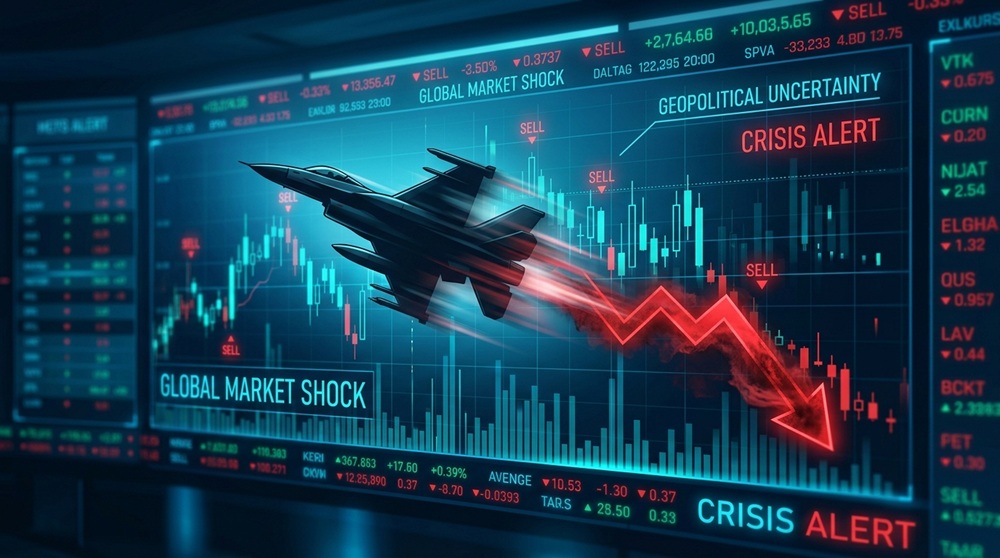
置身 2026 年,这些财务信号正与一个“高摩擦”的宏观背景迎头相撞:
- 地缘政治冲突: 中东局势持续紧张
- 原油供应冲击: 布伦特原油突破 100 美元大关
- 美联储动态: 中央银行仍受困于“粘性通胀”
转向“韧性增长”
诚然,人工智能(AI)仍是市场的主旋律,也是吸引多数目光的“超级引擎”。但在喧嚣之下,资金正悄然流向那些更具“抗压性”的企业——即那些在逆境中依然表现稳健的行业领头羊。
当利率前景不明、能源市场承压时,摩根大通(JPMorgan Chase)以及主要的国防承包商等权重股的重要性愈发凸显。这些标的并非要取代人工智能的叙事地位,而是成为了交易者衡量风险偏好与盈利韧性的新维度。归根结底,市场正在寻找更稳健的资产锚点。
摩根大通 (JPMorgan Chase & Co.)
全球发布倒数 (美股开盘前)
市场洞察:$JPM
分析:JPM 价格驱动因素与情景预演
分析:JPM 价格驱动因素与情景预演
分析师之间 0.68 美元的预测价差反映了市场对利率环境如何转化为利润空间存在明显分歧。如果业绩仅超过共识但低于高位预测,市场反应可能较为平淡。若每股收益 (EPS) 超过 5.70 美元,则将彻底改变市场基调。
业绩表现的关键波动因素
交易执行:$JPM
财报市场反应框架:2026 Q1
财报市场反应框架:2026 Q1
关注反应触发点: 财报发布后前 30 分钟的市场表现通常决定了全天基调。放量突破前一交易日高点则支撑看涨情景。
情绪分析 · 摩根大通
交互式情景分析:$JPM
交互式情景分析:$JPM
AI 抵消效应:NII 与 ROTCE 确认下的高质量超预期
自然流利的简体中文版:
从信贷周期转向国防工业
如果说摩根大通(JPMorgan)为市场提供了关于消费趋势、信贷质量和商业活跃度的早期信号,那么国防板块则在讲述一个截然不同的故事。此时,市场的关注点开始发生深刻转移:从波动性的信贷周期,转向由政府预算支撑的刚性需求。
在依然深受地缘政治风险影响的市场环境下,这种转向至关重要。即便在宏观前景不明朗的情况下,国防工业的长期项目也能提供极高的收入预见性(Revenue Visibility)。正因如此,该板块依然是投资者密切关注的核心焦点。
洛克希德·马丁 (Lockheed Martin Corp.)
全球发布倒数 (美股开盘前)
市场情报:$LMT
分析:LMT 价格驱动因素与情景预演
分析:LMT 价格驱动因素与情景预演
市场共识目前处于分析师预测区间的底部。如果积压订单的增长和 F-35 交付时间表能够证实其执行力,这种定位预示着可能出现“业绩超预期并上调指引”的情况。若财报显示每股收益接近 7.10 美元以上的高位,可能会引发多日连涨的持续行情。
财报表现的关键波动因素
交易执行:$LMT
财报市场反应框架:2026 Q1
财报市场反应框架:2026 Q1
市场反应触发点: 财报发布后前 30 分钟的市场表现指明了交易者偏好。若伴随成交量放大并突破前一交易日高点,则支撑看涨情景。
情绪分析 · 洛克希德·马丁
交互式情景分析:$LMT
交互式情景分析:$LMT
国防溢价:积压订单与现金流确认推动股价连涨
自然流利的简体中文版:
国防板块:并非所有标的都齐头并进
尽管洛克希德·马丁(Lockheed Martin)与诺斯罗普·格鲁曼(Northrop Grumman)同属于国防板块,但市场的解读逻辑却大相径庭。洛克希德·马丁的业绩表现与 F-35 项目及当前的空战需求高度挂钩;相比之下,诺斯罗普·格鲁曼则更侧重于 B-21 “突袭者”(Raider)和“哨兵”(Sentinel)等次世代战略项目。
这正是本章节的核心对比所在:前者通常被视为当前国防需求的晴雨表,而后者则更深度地绑定了长周期的战略现代化进程。

诺斯罗普·格鲁曼 (Northrop Grumman Corp.)
全球发布倒数 (美股开盘前)
市场情报:$NOC
分析:NOC 价格驱动因素与情景预演
分析:NOC 价格驱动因素与情景预演
目前的共识预期接近分析师预测区间的底部。这为交易者提供了一个直观的视觉参考:财报结果究竟是仅符合预期,还是足够强劲到足以对冲上次更新后出现的“指引折扣”。若结果超过 7.20 美元,将彻底改变市场基调。
业绩表现的关键波动因素
交易执行:$NOC
财报市场反应框架:2026 Q1
财报市场反应框架:2026 Q1
市场反应触发点: 财报后前 30 分钟的市场表现决定了交易偏向。放量突破前一交易日高点则支撑看涨;若冲高回落,则指向基准情景。
情绪分析 · 诺斯罗普·格鲁曼
交互式情景分析:$NOC
交互式情景分析:$NOC

从4月之前外汇市场的实际情况开始:地缘政治冲击,中东的石油供应受到压力。整个货币市场的直接反应是交易者以前所见过的:资金流向安全,向收益率转移,并远离任何看似可能受到干扰的东西。
避险资金流遇收益率差异
美元同时受益于这两种力量。它是一个避风港,它还具有目前大多数同行无法比拟的收益优势。瑞士法郎吸收了欧洲避险情绪带来的部分溢出。过去几乎自动吸引避险资金的日元却陷入了完全不同的境地,现在兑美元的收益率差距如此之大,以至于避险逻辑被套利逻辑所取代。
本月最艰难的货币是处于中间位置的货币:风险敏感型、与大宗商品挂钩的货币或根本无法竞争的运行政策利率。新西兰元是最明显的例子,而澳元则是一个更混乱的故事。其背后是对2026年降息预期的重新定价,多个国家的中央银行现在正在重新评估这些预期。
DXY context
Regained 100 on geopolitical risk
Strongest currency
USD — safe haven plus yield
Weakest currency
NZD — yield gap plus energy
Main central bank theme
Repricing of 2026 rate cut paths
Main catalyst ahead
Fed and BOJ policy meetings
Monthly leaderboard — biggest movers
最强推动者:美元(美元)
随着美联储降息和世界其他地区追赶,美元在2025年的大部分时间里逐渐下跌。这个故事在三月下旬停滞不前。伊朗冲突改变了计算方式,美元重新站稳了脚跟,这在某种程度上反映了其在全球市场中的结构性地位。
美国出口石油,当能源价格上涨时,这是贸易条件的改善,而不是贸易条件的冲击。美元的大多数主要货币都处于这个方程式的另一边。再加上3.50%至3.75%的政策利率区间,该区间现在看起来锁定了更长时间,美元的优势既是周期性的,也是结构性的。美元指数(DXY)已重回100水平,但进入4月份的问题是它是保持在这一水平还是进一步推动。
Key drivers
- Safe-haven demand: The Iran conflict directed flows into US assets across equities, Treasuries, and the dollar itself.
- Yield advantage: The federal funds rate at 3.50% to 3.75% provides a meaningful return floor relative to most peers, helping to sustain capital inflows.
- Energy insulation: The US position as an oil exporter creates a structural terms-of-trade benefit when oil prices rise sharply.
- Rate cut repricing: Market expectations for 2026 Fed cuts have been scaled back significantly, removing a key source of dollar headwinds.
What markets are watching next
The DXY's ability to hold above 100 is the near-term reference point. The 10 April CPI print is the most direct test. A reading above expectations may add further support, while a soft print could give traders reason to take some dollar positions off the table.
The main risks to the upside case are a sudden diplomatic resolution in the Middle East, which could reduce safe-haven demand quickly, or a labour market print on 3 April that is weak enough to revive recession concerns and push rate cut expectations higher again.
最弱的走势:新西兰元(NZD)
如果你想设计一种在当前环境下会陷入困境的货币,那么新西兰元几乎完全符合这个要求。它对风险敏感。它与大宗商品挂钩。它的政策利率为2.25%,低于美联储,现在也低于澳洲联储。新西兰也是能源进口国,因此油价上涨同时打击了贸易平衡和国内通货膨胀前景。
这些都不是什么新鲜事物,但在美元飙升和普遍避险情绪的背景下,所有这些因素同时冲击,以一种不容忽视的方式压制了纽元。曾经使新西兰元具有吸引力的套利交易已经逆转,因为资本一直在流出,而不是流入。
Key drivers
- Energy import exposure: Rising Brent crude hits New Zealand's trade balance directly and adds upside pressure to domestic inflation.
- Yield gap: The 2.25% Reserve Bank of New Zealand (RBNZ) policy rate sits below the Fed and the RBA, sustaining negative carry against both the USD and AUD.
- Risk-off positioning: As a commodity and risk currency, the NZD tends to underperform when global sentiment deteriorates.
- Trade uncertainty: Ongoing tariff related uncertainty continues to weigh on export sector confidence.
Risks and constraints
Any unexpected hawkish commentary from the RBNZ or a sharp decline in oil prices could provide some relief. A broader improvement in global risk appetite would also tend to benefit the NZD, given its sensitivity to sentiment shifts.
But the structural yield disadvantage is not going away quickly, and that may continue to limit the pair's recovery potential.
美元/日元
美元/日元是最清楚地说明当货币的避险地位被套利逻辑所覆盖时会发生什么情况的货币对。日元曾经是交易者在地缘政治压力下寻求保护的第一个停靠港。这种动态已经被抑制,原因很简单:你现在为了持有日元而放弃了太多的收益率。
日本银行(BOJ)的政策利率为0.75%,而美联储的政策利率为3.50%至3.75%,这一差距不鼓励避险资金流动。它鼓励以日元借款并在其他地方部署。因此,尽管美元因地缘政治风险而上涨,但日元也因同样的事件而下跌。这不是它应该如何运作,但当收益率差异如此之大时,数学就是这样计算的。
美元/日元位于159附近,这与日本财政部一直将160列为需要关注的水平相差不远。4月27日和28日的日本央行会议现在是真正的现场直播。
Key events to watch
- Tokyo CPI, 30 March (AEDT): March inflation data. A strong read may build the case for BOJ action at the April meeting.
- BOJ meeting, 27 and 28 April (AEST): Markets are treating this as a live event. The quarterly outlook report may include updated inflation forecasts that shift rate hike timing expectations.
- Intervention watch: Japan's Ministry of Finance has been explicit about the 160 level. Actual intervention, or a credible threat of it, could trigger a sharp and fast reversal.
What could shift the outlook
A hawkish BOJ, actual FX intervention, or a softer US CPI print that reduces dollar support could all push USD/JPY lower from current levels. On the other side, a dovish hold from the BOJ combined with continued dollar strength could see the pair test 160 and potentially beyond, which would likely intensify the intervention conversation in Tokyo.
For traders watching AUD/JPY and other yen crosses, the BOJ meeting on 27 and 28 April carries similar weight. A hawkish shift tends to compress yen crosses broadly, not just USD/JPY.
接下来要关注的数据
未来几周,有四个事件是最明显的潜在外汇催化剂。两者都有通向利率预期的直接传导渠道,利率预期是目前外汇市场的大部分变动的推动力。
Key dates and FX sensitivity
A strong read may strengthen the case for a more hawkish BOJ at the April meeting.
A weak result could revive recession concerns and alter Fed pricing.
The most direct test of whether inflation is easing fast enough to reopen the rate cut conversation.
The key policy event for yen crosses. Updated inflation forecasts may shift rate hike timing expectations.
关键关卡和信号
这些是交易者和决策者最密切关注的参考点。每一个都可能是定位转变或官方应对措施的潜在触发因素。
-
◆
DXY 100.00
A psychologically and technically significant support level. Holding above it may sustain the dollar's current run across major pairs. A break below it would likely signal a broader sentiment shift.
-
◆
USD/JPY 160.00
Japan's Ministry of Finance has consistently referenced this level as a threshold requiring attention. Actual intervention, or a credible threat of it, has historically been capable of producing sharp and fast reversals in the pair.
-
◆
Brent crude US$120
A move to this level would likely intensify risk off behaviour across FX markets, putting further pressure on energy importing currencies including the NZD, EUR, and JPY.
-
◆
AUD/USD 0.7000
This level has historically attracted buying interest and may act as a near term directional reference for positioning in the pair.
Bottom line
The FX moves heading into April were shaped by a combination of geopolitical shock, yield divergence, and a repricing of central bank expectations that few had positioned for at the start of the quarter. The dollar's dual role as a high yielding and safe haven currency has put it in an unusually strong position, but that position is not unconditional.
One soft CPI print, one diplomatic breakthrough, or one labour market miss could change the tone quickly. Currency moves may remain highly data dependent and sensitive to overnight news flow from the Middle East, where developments can gap markets before the next session opens.
进入更广阔的外汇世界,并在条件变化时保持灵活性。
开设一个账户 · 登录

这是四月开始时的情况。一场战争正在影响世界上最重要的石油阻塞点之一。布伦特原油交易价格高于100美元。而美联储(Fed)在2025年的大部分时间里都在设计软着陆,现在面临的通货膨胀威胁与其说是由工资、服务业或国内经济驱动的,不如说是由能源驱动的。它正在关注石油冲击。
联邦基金利率为3.50%至3.75%。下一次联邦公开市场委员会(FOMC)会议将于4月28日和29日举行,市场面临的关键问题不是美联储是否会削减,而是美联储能否削减,或者能源冲击是否可能在2026年的大部分时间里关闭了这扇大门。
大量重要数据将于4月发布。3月份的消费者物价指数(CPI)、非农就业人数(NFP)和第一季度国内生产总值(GDP)的预估是最重要的三个。但联邦公开市场委员会4月29日的声明可能为今年余下的时间定下了基调。
Fed Funds Rate
3.50%–3.75%
Next FOMC
28–29 April 2026
Brent crude
Above US$100
Key data events
12 major releases
增长:业务活动和需求
想想今年的美国经济是什么样子:人工智能驱动的资本支出(capex)是增长叙事的重要组成部分,企业投资意向看上去很坚定,《一、大、美法案》已经在其中了。从表面上看,增长故事看起来很扎实。
然后,霍尔木兹海峡的局势改变了计算方式。不是因为美国是净能源进口国,事实并非如此,而且结构隔热很重要。但是,对美国能源生产商有利的东西仍然可以挤压其他地方的利润率并压制全球需求。4月30日的第一季度国内生产总值(GDP)预估现在可以从两个角度来解读:冲击前经济有多强劲,以及它可能对未来几个季度发出什么信号。
Key dates (AEST)
What markets look for
- Resilience in Q1 GDP despite the elevated interest rate environment and early energy cost pressures
- Trade balance movements linked to shifting global tariff frameworks
- Business investment intentions following passage of the "One Big Beautiful Bill Act"
- Early signs of capacity constraints emerging in technology-heavy sectors
How this data may move markets
| Scenario | Treasuries | USD | Equities |
|---|---|---|---|
| Stronger than expected growth | ↑ Yields rise | ↑ Firmer | Mixed - depends on inflation read |
| Softer growth/GDP miss | ↓ Yields fall | ↓ Softer | Risk off if stagflation narrative builds |
劳工:工资和就业
根据你的阅读方式,二月份的就业报告要么是短暂的,要么是一个警告信号。非农就业人数(NFP)下降了92,000人,失业率小幅上升至4.4%,官方说天气起了作用。这可能是真的,但这也是发生的事情。作为维持高利率的主要论点,劳动力市场突然显得不那么令人信服了。
4月3日的3月就业报告现在确实具有重要意义。回归正的薪资增长可能会稳定紧张情绪,而连续第二次的软打印,尤其是在能源价格上涨的背景下,将开始给美联储带来非常不舒服的说法。它将同时考虑就业增长放缓和通货膨胀威胁。那不是一个舒适的地方。
Key dates (AEST)
What markets look for
- A return to positive payroll growth, or confirmation that February's softness was the start of a trend
- Stabilisation or further movement in the unemployment rate from 4.4%
- Average hourly earnings growth relative to core inflation — the wage-price dynamic the Fed watches closely
- Weekly initial jobless claims as a real-time signal of whether layoff activity is rising
通货膨胀:消费者价格指数、PPI和个人消费支出
关于通货膨胀目前的走向,这是一个令人不安的真相。在任何石油冲击结束之前,美联储首选的核心个人消费支出(PCE)在1月份已经同比增长了3.1%。美联储并未完全解决其通货膨胀问题,相反,它已经放慢了通货膨胀的速度。那是另一回事。
现在,除了尚未完全解决的通货膨胀问题外,油价还大幅上涨。能源价格可以通过汽油、运输和物流成本相对较快地纳入消费者物价指数(CPI),这些成本最终会出现在几乎所有物品的价格中。4月10日的3月CPI数据可能是本月最重要的单一数据发布,它可能会告诉我们能源冲击是否已经出现在美联储关注的数字中。
Key dates (AEST)
What markets look for
- Monthly CPI acceleration driven by energy and shelter components — the two stickiest inputs
- PPI as a forward-looking signal: producer cost pressure tends to feed into consumer prices with a lag
- PCE trends relative to the Fed's 2% target, particularly the core reading that strips out food and energy
- Any sign that AI-related pricing power is feeding into corporate margins in ways that sustain elevated core readings
How this data may move markets
| Scenario | Treasuries | USD | Gold |
|---|---|---|---|
| Cooling core inflation | ↓ Yields fall | ↓ Softer | ↑ Supportive |
| Sticky or rising inflation | ↑ Yields rise | ↑ Firmer | ↓ Headwind |
政策、贸易和收益
4月也是美国财报季的开始,本季度的业绩具有异常的分量。在回报即将到来的基础上,投资者一直在向人工智能基础设施注入资金。问题是何时。随着地缘政治波动推动人们从以增长为导向的技术转向能源和国防,摩根大通4月14日的财报将既考虑管理层对宏观环境的看法,也要考虑数字本身。
然后是4月28日和29日的联邦公开市场委员会会议。在4月初公布包括NFP、CPI和生产者物价指数(PPI)在内的数据之后,美联储将有足够的信息来更新其措辞。无论是表明降息可能持续到2026年,还是稍微半开着大门,都可能是本季度最重要的沟通。
地缘政治波动已经促使投资者重新评估以增长为主的定位。估计耗资6,500亿美元的人工智能基础设施建设在投资回报率方面也受到更严格的审查。如果财报季在这方面令人失望,如果联邦公开市场委员会表示将长期搁置,那么这种组合可能会考验进入5月的风险偏好。
Monitor this month (AEST)
-
◆
14 April - JPMorgan Chase Q1 earnings
The first major bank to report. Management commentary on credit conditions, consumer spending, and the macro outlook will set the tone for financial sector earnings and broader market sentiment.
-
◆
15 April - Bank of America Q1 earnings
A read on consumer credit conditions and household financial health, particularly relevant given rising energy costs and the 4.4% unemployment rate.
-
◆
28-29 April - FOMC meeting and policy statement
The month's most consequential event. The statement and any updated forward guidance may effectively confirm whether rate cuts remain a possibility for 2026.
-
◆
Ongoing - Strait of Hormuz tanker traffic
A live indicator of energy supply risk. Any escalation or resolution carries immediate implications for oil prices, inflation expectations, and the Fed's options.
-
◆
Ongoing - Sovereign AI export restrictions
Developing policy around technology export curbs may affect capital expenditure plans for US technology firms, with knock-on implications for growth and employment in the sector.
The Bigger Picture
Geopolitical volatility has forced a rotation into energy and defence at the expense of growth oriented technology positions. The estimated US$650 billion AI infrastructure buildout is increasingly being scrutinised for returns on investment. If earnings season disappoints on that front, and if the FOMC signals a prolonged hold, the combination could test risk appetite heading into May.