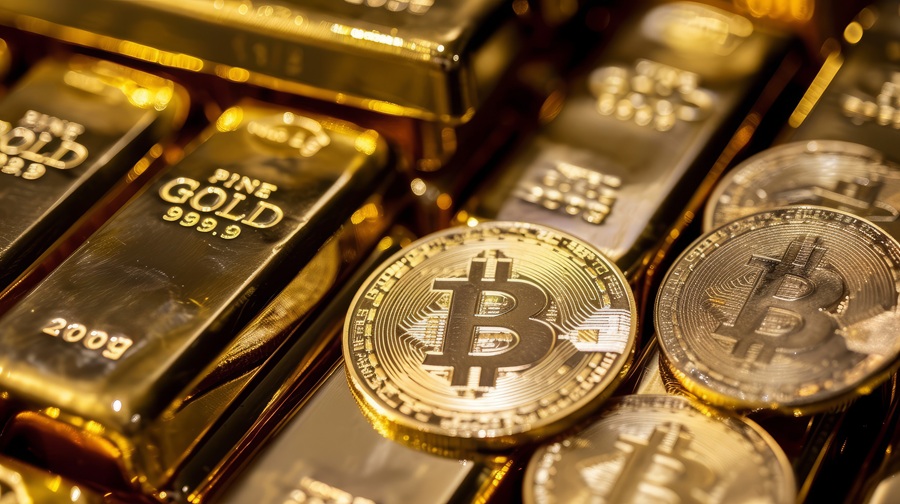
Commodities finish the week on a high as indices falter
GO Markets
29/8/2022
•
0 min read
Share this post
Copy URL
The market closed the week down overall as volatility continues due to the Russia and Ukraine conflict. The Dow Jones dipped 0.5%, the S&P500 fell 0.8%, and the NASDAQ performed the worst, declining 1.7%, despite generally positive sentiment from the USA concerning the employment figures released on Friday. Employers added 678,000 jobs to the workforce in February, and unemployment was lowered to 3.8% beating most analysts' expectations.
CPI figures will be on the agenda next week as inflation continues to garner attention. European stocks were hit the hardest, with the DAX losing more than 10% over the week and 4.41% on Friday, as it continues to be hit hard by the conflict. The FTSE also had a tough week and closed Friday down 3.48%.
Commodities had a belter week and got close to their largest rise in prices since 1960. European natural gas more than doubled in price, wheat soared 40%, and oil increased 20%. These increases may have an impact on the energy and commodity sector in the Australian market going forward.
The surge in energy prices has occurred despite economic sanctions that have not targeted Russia’s energy exports. Gold finished the week exceptionally strong, closing at the upper end of the weekly range towards $1,970. The price continues to provide a haven for investors as the volatility remains.
Oil followed its strong closing towards the high of the week at $117.96. Cryptocurrency Bitcoin had shown strength earlier in the week, but it could not hold its highs around $45,000 BTC/USD. It closed the week below $40,000.
Ethereum followed a similar pattern falling to $2,593. FOREX The EUR/USD had a massive drop falling -1.23%. The Euro struggled against all of the currency pairs, recording big drops for the week.
The GBP also was a weak performer for the week. Due to their geographical exposure, the EUR and GBP have been the most sensitive to news from the conflict. The AUD and NZD performed well for the week and have seen a nice move into recent resistance.
By
GO Markets
Artikel ini ditulis oleh analis dan kontributor GO Markets berdasarkan analisis independen atau pengalaman pribadi mereka. Pandangan, opini, atau gaya trading yang diungkapkan sepenuhnya merupakan milik penulis, dan tidak mewakili atau dibagikan oleh GO Markets. Setiap saran yang diberikan bersifat “umum” dan tidak mempertimbangkan tujuan, situasi keuangan, atau kebutuhan pribadi Anda. Sebelum mengambil tindakan berdasarkan saran tersebut, pertimbangkan apakah saran tersebut sesuai dengan tujuan, situasi keuangan, dan kebutuhan Anda. Jika saran tersebut berkaitan dengan perolehan produk keuangan tertentu, Anda harus memperoleh Pernyataan Pengungkapan (Disclosure Statement/DS) dan dokumen hukum lainnya yang tersedia di situs web kami sebelum membuat keputusan apa pun.
Venezuela commands the world's largest proven oil reserves at 303 billion barrels. Yet political turmoil, global sanctions, and recent US intervention show that being the biggest isn’t always best.
Quick facts:
Venezuela holds 18% of the world's total proven oil reserves despite producing less than 1% of global consumption.
Just four countries (Venezuela, Saudi Arabia, Iran, and Canada) control over half the planet's proven reserves.
Saudi Arabia dominates crude oil production contributing to over 16% of global exports.
US shale technology has enabled America to lead in production despite ranking ninth in reserves.
Top 10 countries by proven oil reserves
1. Venezuela – 303 billion barrels
Controls 18% of global reserves, primarily extra-heavy crude in the Orinoco Belt requiring specialised refining.
Heavy crude trades $15-20 below Brent benchmarks due to high sulphur content and complex processing requirements.
Output crashed 60% from 2.5 million bpd in 2014 to less than 1.0 million bpd last year.
Approximately 80% of exports flow to China as loan repayment, with export revenues dwarfed by reserve potential.
2. Saudi Arabia – 267 billion barrels
Majority light, sweet crude oil requires minimal refining and commands premium prices, contributing to world-leading exports of $191.1 billion in 2024.
Maintains 2-3 million bpd of spare production capacity, providing market stabilisation capability during supply disruptions.
Oil comprises roughly 50% of the country’s GDP and 70% of its export earnings.
Production decisions significantly impact international oil prices due to market dominance.
Heavy Western sanctions severely limit the country’s ability to monetise and access international markets.
Production estimates vary significantly (2.5-3.8 million bpd) due to sanctions, limited transparency, and restricted international reporting.
Significant crude volumes flow to China through discount arrangements and sanctions-evading mechanisms.
Sanctions relief could rapidly boost production toward 4-5 million bpd, though domestic consumption (12th globally) reduces export potential.
4. Canada – 163 billion barrels
Approximately 97% of reserves are oil sands (bitumen) requiring steam-assisted extraction and significant upfront capital investment.
Political stability and regulatory frameworks position Canada as a secure source compared to volatile producers, with direct pipeline access to US refineries.
Supplied over 60% of U.S. crude oil imports in 2024, making Canada America's top source by far.
5. Iraq – 145 billion barrels
Decades of war and sanctions have prevented optimal field development and infrastructure modernisation.
Improved security conditions since 2017 have enabled production recovery, but pipeline attacks and aging facilities continue to constrain output.
Oil revenue comprises over 90% of government income, creating extreme fiscal vulnerability.
Exports flow primarily to China, India, and Asian buyers seeking a reliable Middle Eastern supply, with most production from super-giant southern fields near Basra.
6. United Arab Emirates – 113 billion barrels
Produces primarily medium-to-light sweet crude commanding premium prices, ranking fourth globally in export value at $87.6 billion.
Has successfully diversified its economy through tourism, finance, and trade, reducing oil's GDP share compared to Gulf peers.
Strategic location near the Strait of Hormuz and openness to international oil companies help facilitate efficient global distribution.
7. Kuwait – 101.5 billion barrels
Reserves are concentrated in aging super-giant fields like Burgan, which require enhanced recovery techniques.
Favourable geology enables extraction costs around $8-10 per barrel, with proven reserves providing 80+ years of supply at current production rates.
Oil comprises 60% of GDP and over 95% of export revenue.
8. Russia – 80 billion barrels
World's third-largest producer despite ranking eighth in reserves.
Post-2022 Western sanctions redirected crude flows from Europe to Asia, with China and India now absorbing the majority at discounted prices.
Despite export restrictions and G7 price cap at $60/barrel, it posted the second-highest global export value at $169.7 billion in 2024.
Russian Urals crude typically trades $15-30 below Brent due to quality, sanctions, and logistics, with November 2024 revenues declining to $11 billion.
9. United States – 74.4 billion barrels
The shale revolution through horizontal drilling and hydraulic fracturing has made the U.S. the world's #1 oil producer despite holding only the 9th-largest reserves.
The Permian Basin accounts for nearly 50% of production, with shale/tight oil representing 65% of total output.
Achieved net petroleum exporter status in 2020 for the first time since 1949, with crude exports growing from near-zero in 2015 to over 4 million bpd in 2024.
The U.S. government maintains a 375+ million barrel strategic reserve.
10. Libya – 48.4 billion barrels
Holds Africa's largest proven oil reserves at 48.4 billion barrels, producing light sweet crude commanding premium prices.
Rival bordering governments compete for oil revenue control, causing production to fluctuate based on political conditions.
Oil facilities face blockades, militia attacks, and political leverage tactics, preventing consistent returns.
Favourable geology enables extraction costs around $10-15 per barrel, with geographic proximity making Libya a natural supplier to European refineries.
What does this mean for oil markets?
The concentration of reserves among OPEC members (60% of the global total) ensures the organisation has continued influence over pricing, even as US shale provides a production counterweight.
Venezuela's potential return as a major exporter post-U.S. occupation could eventually ease supply constraints, though most analysts view significant production increases as years away.
Sanctions could create a situation where discounted crude seeks buyers willing to navigate compliance risks. Refiners with heavy crude processing capability may benefit from price differentials if Venezuelan barrels increase.
While reserves appear abundant, economically recoverable volumes depend on sustained high prices. If renewable adoption accelerates and demand peaks sooner than projected, stranded assets become a material risk for reserve-heavy producers.
Asia starts the week with a fresh geopolitical shock that is already being framed in oil terms, not just security terms. The first-order move may be a repricing of risk premia and volatility across energy and macro, while markets wait to see whether this becomes a durable physical disruption or a fast-fading headline premium.
At a glance
What happened: US officials said the US carried out “Operation Absolute Resolve”, including strikes around Caracas, and that Venezuela’s President Nicolás Maduro and his wife were taken into US custody and flown to the United States (subject to ongoing verification against the cited reporting).
What markets may focus on now: Headline-driven risk premia and volatility, especially in products and heavy-crude-sensitive spreads, rather than a clean “missing barrels” shock.
What is not happening yet: Early pricing has so far looked more like a headline risk premium than a confirmed physical supply shock, though this can change quickly, with analysts pointing to ample global supply as a possible cap on sustained upside.
Next 24 to 72 hours: Market participants are likely to focus on the shape of the oil “quarantine”, the UN track, and whether this stays “one and done” or becomes open-ended.
Australia and Asia hook: AUD as a risk barometer, Asia refinery margins in diesel and heavy, and shipping and insurance where the price can show up in friction before it shows up in benchmarks.
What happened, facts fast
Before anyone had time to workshop the talking points, there were strikes, there was a raid, and there was a custody transfer. US officials say the operation culminated in Maduro and his wife being flown to the United States, where court proceedings are expected.
Then came the line that turned a foreign policy story into a markets story. President Trump publicly suggested the US would “run” Venezuela for now, explicitly tying the mission to oil.
Almost immediately after that came a message-discipline correction. Secretary of State Marco Rubio said the US would not govern Venezuela day to day, but would press for changes through an oil “quarantine” or blockade.
That tension, between maximalist presidential rhetoric and a more bureaucratically describable “quarantine”, is where the uncertainty lives. Uncertainty is what gets priced first.
Source: Adobe images
Why this is price relevant now
What’s new versus known for positioning
What’s new, and price relevant, is that the scale and outcome are not incremental. A major military operation, a claimed removal of Venezuela’s leadership from the country, and a US-led custody transfer are not the sort of things markets can safely treat as noise.
Second, the oil framing is explicit. Even if you assume the language gets sanded down later, the stated lever is petroleum. Flows, enforcement, and pressure via exports.
Third, the embargo is not just a talking point anymore. Reporting says PDVSA has begun asking some joint ventures to cut output because exports have been halted and storage is tightening, with heavy-crude and diluent constraints featuring prominently.
What’s still unknown, and where volatility comes from
Key unknowns include how strict enforcement is on water, what exemptions look like in practice, how stable the on-the-ground situation is, and which countries recognise what comes next. Those are not philosophical questions. Those are the inputs for whether this is a temporary risk premium or a durable regime shift.
Political and legal reaction, why this drives tail risk
The fastest way to understand the tail here is to watch who calls this illegal, and who calls it effective, then ask what those camps can actually do.
Internationally, reaction has been fast, with emphasis on international law and the UN Charter from key partners, and UN processes in view. In the US, lawmakers and commentators have begun debating the legal basis, including questions of authority and war powers. That matters for markets because it helps define whether this is a finite operation with an aftershock, or the opening chapter of a rolling policy regime that keeps generating headlines.
Market mechanism, the core “so what”
Here’s the key thing about oil shocks. Sometimes the headline is the shock. Sometimes the plumbing is the shock.
Venezuela’s heavy-crude system: Orinoco production, key pipelines, and export/refining bottlenecks.
Volumes and cushion
Venezuela is not the world’s swing producer. Its production is meaningful at the margin, but not enough by itself to imply “the world runs out of oil tomorrow”. The risk is not just volume. It is duration, disruption, and friction.
The market’s mental brake is spare capacity and the broader supply backdrop. Reporting over the weekend pointed to ample global supply as a likely cap on sustained gains, even as prices respond to risk.
Quality and transmission
Venezuela’s barrels are disproportionately extra heavy, and extra heavy crude is not just “oil”. It is oil that often needs diluent or condensate to move and process. That is exactly the kind of constraint that shows up as grade-specific tightness and product effects.
Reporting has highlighted diluent constraints and storage pressure as exports stall. Translation: even if Brent stays relatively civil, watch cracks, diesel and distillates, and any signals that “heavy substitution” is getting expensive.
Heavy-light spread as a stress gauge: rising differentials can signal costly substitution and tighter heavy supply.
Products transmission, volatility first, pump later
If crude is the headline, products are the receipt, because products tell you what refiners can actually do with the crude they can actually get. The short-run pattern is usually: futures reprice risk fast, implied volatility pops; physical flows adapt more slowly; retail follows with a lag, and often with less drama than the first weekend of commentary promised.
For Australia and Asia desks, the bigger point is transmission. Energy moves can influence inflation expectations, which can feed into rates pricing and the dollar, and in turn affect Asia FX and broader risk, though the links are not mechanical and can vary by regime.
Some market participants also monitor refined-product benchmarks, including gasoline contracts such as reformulated gasoline blendstock, as part of that chain rather than as a stand-alone signal.
Historical context, the two patterns that matter
Two patterns matter more than any single episode.
Pattern A: scare premium. Big headline, limited lasting outage. A spike, then a fade as the market decides the plumbing still works.
Pattern B: structural. Real barrels are lost or restrictions lock in; the forward curve reprices; the premium migrates from front-month drama to whole-curve reality.
One commonly observed pattern is that when it is only premium, volatility tends to spike more than price. When it is structural, levels and time spreads move more durably.
The three possible market reactions
Contained, rhetorical: quarantine exists but porous; diplomacy churns; no second-wave actions. Premium bleeds out; volatility mean-reverts.
Escalation, prolonged control risk: “not governing” language loses credibility; repeated operations; allies fracture further. Longer-duration premium; broader risk-off impulse across FX and rates.
Australia and Asia angle
For Sydney, Singapore, and Hong Kong screens, this is less about Venezuelan retail politics and more about how a Western Hemisphere intervention bleeds into Asia pricing.
AUD is the quick and dirty risk proxy. Asia refiners care about the kind of oil and the friction cost. Heavy crude plus diluent dependency makes substitution non-trivial. If enforcement looks aggressive, the “price” can show up in freight, insurance, and spreads before it shows up in headline Brent.
Catalyst calendar, key developments markets may monitor
US policy detail: quarantine rules, enforcement posture, exemptions.
UN and allies: statements that signal whether this becomes a long legitimacy fight.
Why Is Gold in Focus Right Now?Throughout early 2025, gold has surged to record highs, breaching $3,400 an ounce for the first time in history. For newer traders, this may seem like a “blue-sky” breakout without precedent. For experienced market participants, it raises a more practical and important question, i.e. what is driving this rally, and is it sustainable?Understanding the fundamental and technical context behind such moves helps us not only trade the present but plan for what may come next, which can guide us in the decisions we make with our trading action.This article aims to build upon recent outlook webinars that we have delivered recently, which have waved the bullish flag throughout. However, I must admit to having been surprised at the velocity of the rally.We will try to unpick key drivers as well as analyse what could be next and why.What’s Driving the Gold Rally in 2025?Let’s take a look at the main contributing factors that are currently supporting the upward momentum in gold prices:1. Rising Global Uncertainty and Geopolitical RiskPolitical instability, as it has historically, remains a strong macro backdrop for gold. Recent flare-ups in geopolitical conflict — particularly in Eastern Europe and the Middle East — have returned “safe haven” flows back into focus. This is typical during periods when traditional risk assets like equities face greater downside volatility.Additionally, the somewhat turbulent start (even more so than many predicted) to the new U.S. administration has introduced an element of policy uncertainty, particularly around trade, inflation and the impact of economic growth. The possibility of further tariffs or fiscal tightening reinforces gold’s appeal as a form of protection.Key Point: Traders need to monitor not just existing conflicts, but also the market perception of risk. Gold often responds not to what is happening, but to what investors fear might happen.2. US V China – trade war brewing?Tariff dramas have been the major market chatter and sentiment changer over the last few weeks. On top of general broad international tariffs, and to pause or not to pause decisions, the major attention is, and likely to continue to be, the escalation of tariffs between the U.S. and China has pushed inflation expectations higher. While inflation has generally cooled since its 2022–2023 peaks, cost-push factors such as tariffs can reintroduce price pressures, particularly on imports.Central banks globally are including tariffs within a rate decision narrative, but no central bank is more in focus, of course, than the Federal Reserve. In Trump's last presidency, the current Fed chairman Jerome Powell came under fire for rate policy, and already, it was noteworthy that the current president aimed a shot at him once again. The market is aware that inflationary shocks are not off the table once tariff impact starts to bite at importer costs in the US, and the “priced in” rate cut that is likely to occur in June is still some time away, and the certainty that this may happen may start to waver. Gold has historically performed well when real yields (interest rates adjusted for inflation) fall or remain negative.Key Point: Watch CPI data closely. If inflation expectations start to climb again due to trade-related costs, gold may continue to benefit.3. U.S. Dollar WeaknessThe U.S. dollar index (DXY) has declined to multi-year lows, making gold more attractive to non-U.S. investors. This is a classic inverse relationship — as the dollar falls, gold often rises.A weaker dollar could potentially indicating that the market could be pricing in a more dovish Federal Reserve, with rate cuts potentially on the table later in the year, However, more likely in this case, the dramatic drop in the USD, which this week hit 3 year lows, is more likely due to concerns about growth and even the perceived chance of recession.At the time of writing, the earnings season is ramping up, and despite Q1 results so far being relatively positive, we are already seeing concerns expressed (as is often the case with uncertainty) relating to forward guidance. This, of course, plays into the slowdown narrative. This week's PMI data feels as though it may have even more importance than usual.Key Point: Gold traders should always include USD direction in their macro framework. It often amplifies or suppresses broader trends in the metal.4. Central Bank and Institutional DemandAnother major support for gold is the persistent demand from central banks, particularly in emerging markets such as China and Turkey. These institutions are increasingly shifting reserves into gold as part of long-term diversification away from USD assets.Evidence suggests ETF flows have also picked up, showing increasing but not outrageous levels, suggesting the move is still institutional in nature rather than purely speculative.Key Point: As long as institutional and central bank demand remains steady or rising, gold has a structural reason to be supported underneath current price levels.What the Technical Picture Is Telling UsWhile fundamental drivers continue to support gold, the technical setup also tells an important story — one that can help traders decide whether to stay in, take partial profits, or prepare for tactical re-entries after any price pullback. Let’s explore the technical picture in a bit more detail.
Gold’s Long-Term Trend Structure Remains Intact
Gold has been making a consistent series of higher highs and higher lows since mid-2023. This trend has been confirmed across multiple timeframes, including the daily and weekly charts — an important feature for position traders.Currently, price is well above both the 50-day and 200-day exponential moving averages (EMA), which have now turned upward and widened — a classic sign of trend strength and directional bias. When prices pull back in strong trends, these EMAs often serve as dynamic support levels.
Momentum: The weekly RSI is elevated (above 75), which suggests gold may be in overbought territory in the short term.
What About RSI Being Overbought?One of the most common misunderstandings among newer traders is how to interpret an elevated RSI (Relative Strength Index), particularly when it crosses above the traditional 70 level.RSI above 70 does not automatically mean 'sell' — especially in strong trends, so this merits a little further discussion.Here’s why a high RSI may not be a problem:
Context matters: In trending markets, RSI can remain elevated (above 70 or even 80) for extended periods without any meaningful pullback. This is often referred to as a 'momentum breakout' condition.
Confirmation from volume: If rising RSI is accompanied by increased volume, it suggests that momentum is being supported by participation, not exhaustion. Currently, weekly volume has expanded on breakout weeks, supporting the move.
New highs with RSI > 70 are actually bullish: A strong market making new highs and registering overbought readings usually reflects strength, not vulnerability — unless divergence begins to appear.
Key Point: Use RSI as a momentum gauge, not a reversal trigger in isolation. In this case, RSI supports the idea that gold is strong, not yet stretched to the point of reversal.
Next Targets: Many technical analysts are watching $3,500 and $3,650 as key psychological and Fibonacci extension levels. A sustained break above $3,400 would likely bring these into view.
Support Levels: If price retraces, $3,200 and $3,050 are likely areas where buyers may step back in, especially if the macro story remains intact.Key Point: Momentum remains strong, but even in trending markets, corrections are normal. Having a plan for where to re-engage is just as important as knowing when to stay out.
What Would a Healthy Pullback Look Like?
Even the strongest trends pause. If gold does retrace in the short term, the nature of the pullback is more important than whether it happens.Signs of a healthy pullback include:- Controlled decline in decreasing volume- Price respecting prior breakout zones — e.g., $3,250–$3,280- Holding dynamic support like the 20-day or 50-day EMA- Reversal candle patterns near support (e.g., hammer, bullish engulfing)Key Point: In strong markets, pullbacks are often shallow and short-lived. They can be opportunities to scale in, provided the structure remains intact.Sentiment and Positioning: Are Traders Too Bullish?It’s important not to get swept up in price action alone. The COT (Commitments of Traders) report can provide valuable insight into whether markets are approaching overly crowded levels.
Large Speculators have increased their net long positions, but not yet at levels seen in major historical peaks.
Retail traders have only recently started to increase exposure, which suggests the move is not fully mature.
ETF inflows, while rising, are still below the aggressive flows seen in 2020.Key Point: Current positioning suggests there may still be room to run, especially if new catalysts emerge. However, if positioning becomes too lopsided, be ready for faster and sharper corrections.
What Could Change the Narrative….Risks to Watch?Even with a strong bull case, traders must stay aware of what could derail gold’s momentum:Risk Event #1: Sudden USD reboundImpact on Gold: Could trigger a sharp pullbackRisk Event #2: Hawkish Fed surpriseImpact on Gold: Logically higher real yields = bearish gold due to USD impact – however, gold’s role as an inflation risk is likely to offset this.Risk Event #3: De-escalation of trade/geopolitical tensionsImpact on Gold: Safe-haven demand may soften if this is part of the reason for the current price rise. However, with other factors predominating price moves for right now, again, this may not be critical.Risk Event #4: Profit-taking and reversal in momentumImpact on Gold: Could create a short-term topKey Point: Risk doesn’t always mean reversal — but it does mean adjusting trade size, stops, and expectations when conditions change.Summary: Stay Informed, Stay DisciplinedGold’s rise in 2025 has been impressive, but it hasn’t been irrational. The macro backdrop, institutional support, and technical structure all support the trend.However, markets rarely move in straight lines, and traders should stay ready for both continuation and correction scenarios.Success is likely to lie in applying consistency in the management of profit and capital risks, as well as having a clear method to re-enter as appropriate. consistently while remaining adaptable to changing conditions.Traders should view the current gold move as a reflection of persistent macro themes and technical support rather than any sort of “bubble”. Whether you’re already long or waiting for a retracement, your decision-making should be rooted in having a clear and unambiguous trading plan and, of course, the discipline of follow-through in the actions you take.
Olimpiade dan Olimpiade Musim Dingin menarik perhatian global selama berminggu-minggu, menarik jutaan pemirsa dan mendominasi berita utama. Bagi para pedagang, perhatian ini sering terasa seperti katalis, namun pendorong pasar sebenarnya tetap sama: ekonomi makro, kebijakan, dan sentimen risiko global, bukan kalender olahraga.
Jadi mengapa beberapa pedagang mengatakan hasil terasa lebih lemah selama acara olahraga besar?
Seringkali terjadi kegagalan untuk beradaptasi dengan kondisi yang dapat bergeser pada margin, terutama likuiditas dan partisipasi.
1. Mengharapkan “volatilitas peristiwa”
Peristiwa global besar dapat menciptakan asumsi bahwa pasar seharusnya bergerak lebih banyak. Beberapa pedagang memposisikan posisi untuk breakout atau meningkatkan risiko untuk mengantisipasi perubahan yang lebih besar, bahkan ketika kondisi tidak mendukungnya.
Driver kunci
Di beberapa pasar dan sesi, penurunan partisipasi dapat melemahkan tindak lanjut tren
Sentimen dapat meningkatkan ekspektasi di luar apa yang diberikan aksi harga
Contoh: Seorang pedagang mengharapkan breakout selama periode upacara pembukaan Olimpiade, tetapi partisipasi regional yang rendah membatasi pergerakan harga, yang mengarah ke start yang salah.
2. Memaksa perdagangan dalam sesi tenang
Ketika aksi harga lebih lambat dan rentang terkompresi, beberapa pedagang merasakan tekanan untuk tetap aktif dan mengambil entri berkualitas rendah.
Driver kunci
Rentang intraday yang sempit dapat meningkatkan sinyal palsu
Keyakinan yang lebih rendah dapat mendukung konsolidasi daripada tren, meningkatkan risiko false-break
“Tetap terlibat” dapat mengurangi selektivitas
Takeaway: Gunakan sesi yang lebih tenang untuk menyempurnakan pengaturan atau meninjau data daripada memaksa perdagangan marjinal.
3. Mengabaikan likuiditas lebih tipis
Partisipasi dapat sedikit mereda selama acara global besar, dan dampaknya sering lebih jelas pada jangka waktu yang lebih pendek. Grafik harian mungkin terlihat normal, sementara aksi harga intraday menjadi lebih mudah dengan lebih banyak sumbu.
Driver kunci
Dalam kondisi kedalaman yang lebih rendah, harga dapat melonjak lebih mudah, dan ukuran sumbu dapat meningkat
Dalam beberapa instrumen dan sesi, likuiditas yang lebih tipis dapat bertepatan dengan spread yang lebih luas dan eksekusi yang lebih bervariasi (bervariasi menurut pasar, tempat, dan kondisi broker)
Sensitivitas jangka waktu terhadap kondisi yang lebih tipis
Tabel di atas hanya ilustratif (bervariasi menurut pasar): Grafik harian mungkin terlihat normal. Grafik lima menit bisa terasa lebih tidak menentu.
Contoh sumbu besar volume rendah
Sumber: MT5
4. Menggunakan ukuran normal dalam kondisi abnormal
Bahkan jika volatilitas keseluruhan terlihat stabil, risiko eksekusi dapat meningkat ketika likuiditas menipis, terutama untuk pendekatan jangka pendek atau gaya scalping.
Driver kunci
Selip dapat meningkat, dan berhenti mungkin “melebihi”
Kondisi tipis dapat memicu berhenti lebih mudah dalam kebisingan
Spread yang lebih luas dapat mengubah hasil masuk/keluar dibandingkan kondisi normal
Penyesuaian: Mempertahankan ukuran tetap dapat mendistorsi efektif risiko. Beberapa trader meninjau biaya transaksi, termasuk spread, dan kondisi eksekusi saat menetapkan parameter risiko seperti stops/limit, terutama dalam sesi yang lebih tipis.
5. Terobosan perdagangan dengan tindak lanjut rendah
Taktik mengikuti tren dapat goyah ketika partisipasi menurun. Momentum dapat menghilang dengan cepat, dan jeda palsu menjadi lebih umum.
Driver kunci
Aliran yang berkurang dapat membatasi gerakan terarah yang berkelanjutan
Beberapa rezim likuiditas rendah mungkin mendukung reversi berarti daripada momentum
Contoh: Terobosan rentang klasik tampak valid intraday tetapi memudar dengan cepat karena volume tindak lanjut gagal terwujud.
Contoh breakout yang gagal
Sumber: MT5
6. Mengabaikan waktu dan risiko gangguan
Tidak ada bukti yang dapat diandalkan bahwa kalender Olimpiade dapat diprediksi mendorong peristiwa geopolitik. Tetapi ketika ketegangan sudah meningkat, peristiwa global besar kadang-kadang dapat bertepatan dengan perhatian yang tersebar di tempat lain, agak mirip dengan hari libur, pemilihan umum atau KTT besar.
Pedagang harus mengidentifikasi kapan kondisinya lebih lambat atau lebih tipis dan menyesuaikannya, menyelaraskan taktik dengan risiko tindak lanjut yang berkurang dan mengkalibrasi ukuran posisi dengan realitas eksekusi. Yang terpenting, hindari memaksa perdagangan ketika tepi terbatas selama periode ini.
Obor dinyalakan di Milan, dan perhatian publik telah berpindah dari teater upacara pembukaan ke kompetisi di lereng.
Tetapi untuk pedagang forex (FX), mata masih tertuju pada grafik euro (EUR). Dengan Italia di pusat dunia olahraga, ekonomi zona euro menghadapi salah satu momen yang paling banyak ditonton tahun ini.
1. Keuntungan lapangan kandang (ekonomi Italia)
Beberapa perkiraan menunjukkan Olimpiade dapat memberikan dorongan sekitar €5,3 miliar untuk ekonomi Italia, didorong oleh pengeluaran langsung dan ekor pariwisata yang lebih lama setelah nyala api padam. Secara praktis, itu bisa berarti fase “pengeluaran langsung” yang dimuat di depan. Permintaan perhotelan, ritel, dan transportasi dapat memuncak karena diperkirakan 2,5 juta penonton bergerak antara Milan dan Dolomites.
Tugas daftar periksa: Tonton produksi industri Italia (Rabu, 11 Februari 2026). Meskipun Olimpiade dapat mendukung aktivitas layanan, ada baiknya melacak apakah data produksi yang lebih luas mengikuti kecepatan atau apakah dampak Olimpiade terkonsentrasi sempit di sektor-sektor yang terkait dengan pariwisata.
Pada pertemuan 5 Februari, Bank Sentral Eropa (ECB) mempertahankan pengaturan kebijakan stabil di 2,15% dan fasilitas deposito di 2,00%. Presiden Christine Lagarde mengisyaratkan bahwa sementara inflasi tampaknya stabil, ECB tetap dalam mode “tunggu dan lihat”.
Tugas daftar periksa: Pantau pidato dari anggota ECB minggu ini. Setiap perubahan nada, termasuk kemiringan yang lebih hawkish yang menunjukkan suku bunga mungkin tetap lebih tinggi untuk waktu yang lebih lama, dapat bertindak sebagai angin belakang potensial untuk EUR/USD, terutama jika kontras dengan nada Federal Reserve yang lebih berhati-hati.
Final Olimpiade paling bergengsi sering mendarat di malam Eropa. Untuk pedagang, ini sejalan dengan sesi London ke New York tumpang tindih (biasanya 14:00 hingga 17:00 GMT). Saat itulah likuiditas terdalam dalam persimpangan EUR dan saat penentuan posisi dapat mempengaruhi data dan berita utama.
Tugas daftar periksa: Harapkan kemungkinan likuiditas puncak dan potensi “breakout palsu” selama jam-jam ini. Jika titik data utama AS (seperti penjualan ritel Selasa, atau CPI Jumat) mendarat sementara pasar Eropa masih terbuka, pasangan EUR mungkin melihat kenaikan volatilitas.
Sementara euro adalah bintang pertunjukan, Olimpiade masih bisa dibayangi oleh kebisingan geopolitik yang lebih luas. Misalnya, emas sudah diperdagangkan di sekitar level US $5.000 setelah sempat menembus di atasnya pada awal Februari, didorong oleh pembelian bank sentral, ekspektasi dolar yang lebih lemah, dan perkiraan akhir tahun yang ditingkatkan.
Tugas daftar periksaJika sentimen mengubah risiko, perhatikan aset surga tradisional seperti franc Swiss (CHF) dan emas. Emas telah mengalami perubahan besar baru-baru ini dan saat ini sedang menguji resistensi di dekat US $5.000. EUR/CHF juga dapat melihat volatilitas yang lebih tinggi jika berita utama geopolitik meningkat selama Olimpiade.
Minggu ini ditutup dengan PDB Q4 zona euro (perkiraan kedua) pada hari Jumat, 13 Februari 2026.
Tugas daftar periksa: Perkiraan awal menunjukkan pertumbuhan 0,3%. Jika angka tersebut direvisi ke atas, itu dapat memperkuat ketahanan zona euro dan dapat mendukung tawaran akhir minggu dalam EUR.
Sementara “dorongan Olimpiade” mungkin menawarkan bantalan sentimen bagi Italia, arah euro kemungkinan masih akan dibentuk oleh apakah sikap “tunggu dan lihat” ECB ditantang oleh pembaruan PDB hari Jumat atau rilis produksi industri hari Rabu.
Dengan emas melayang di dekat US $5.000 dan AS menghadapi kalender yang dipengaruhi oleh data yang dijadwalkan ulang, volatilitas dapat tetap meningkat ke jam-jam tumpang tindih utama, tepat saat peristiwa prime-time sedang berlangsung.
Panduan lengkap harian Anda tentang peluang medali Australia dan momen pergerakan pasar selama Olimpiade Musim Dingin Milano Cortina.
Fakta Singkat
Upacara Pembukaan: 6:00 pagi, 7 Februari AEDT (8:00 malam, 6 Februari Milan).
Jendela tampilan utama: 4:00 pagi hingga 14:00 AEDT setiap hari bertepatan dengan jam perdagangan pra-pasar dan ASX.
Upacara medali: Biasanya berjalan dari pukul 6:00 pagi hingga 7:00 pagi AEDT. Sempurna untuk penyesuaian posisi pra-pasar.
53 Atlet Australiabersaing: Tim Olimpiade Musim Dingin Australia terbesar kedua yang pernah ada, dengan 10 pesaing medali asli.
Jadwal Olimpiade GO Markets
GO Markets Olympic Schedule
Olympic Schedule
All times shown in AEDT
= Australian competing
🏅 = AUS medal chance
🔥 = Potential volatility
Feb 7
06:00
Opening Ceremony
Live from Milano
🔥
21:30
Men's Downhill Final
Harry Laidlaw
🔥
23:00
Women's 10km+10km Skiathlon
Rosie Fordham, Phoebe Cridland
🔥
Feb 8
05:30
Men's Snowboard Big Air Final
Valentino Guseli
🏅🔥
05:57
Women's NH Individual Final
Global Superstars (Ski Jumping)
🔥
Feb 10
05:30
Women's Snowboard Big Air Final
Tess Coady, Ally Hickman
🏅
Feb 12
00:15
Women’s Moguls Final
Jakara Anthony, Emma Bosco, Charlotte Wilson
🏅🔥
22:15
Men’s Moguls Final
Matt Graham, Jackson Harvey, George Murphy
🏅
Feb 13
00:56
Men's Snowboard Cross Finals
Adam Lambert, Cam Bolton, Jarryd Hughes
🏅
19:30
Women's Snowboard Cross Finals
Josie Baff, Abbey Wilson, Mia Clift
🏅
Feb 14
21:46
Women’s Dual Moguls Final
Jakara Anthony, Charlotte Wilson
🏅
Feb 15
08:42
Short Track (1500m Final)
Brendan Corey
21:46
Men’s Dual Moguls Final
Matt Graham, George Murphy
🏅
Feb 16
23:00
Alpine Skiing (Men's Slalom)
Harry Laidlaw
Feb 17
06:00
Pairs Figure Skating Final
A. Golubeva & H. Giotopoulos Moore
07:06
Women’s Monobob Final
Bree Walker
🏅
Feb 18
21:30
Women’s Aerials Final
Laura Peel, Danielle Scott, Abbey Willcox
🏅
23:30
Women’s Slalom Final
Madison Hoffman, Phoebe Heaydon
Feb 19
21:30
Men’s Aerials Final
Reilly Flanagan
Feb 21
05:30
Men’s Halfpipe Final
Scotty James, Valentino Guseli
🏅🔥
23:30
SkiMo Mixed Relay
Phil Bellingham & Lara Hamilton
Feb 22
05:30
Women’s Freeski Halfpipe Final
Indra Brown
🏅
07:05
Two-Woman Bobsleigh Final
Walker/Reddingius & Blizzard/Johnson
Feb 23
00:10
Men’s Ice Hockey Final
NHL Superstars
🔥
06:00
Closing Ceremony
Live from Milano
🔥
Upacara Pembukaan+medali pertama - Sabtu, 7 Februari
Upacara Pembukaan pada waktu sarapan, kemudian medali emas pertama diberikan di primetime pada hari Sabtu.
Harry Laidlaw mewakili Australia di Men's Downhill, acara medali emas pertama Olimpiade, sementara pemain ski lintas alam Rosie Fordham dan Phoebe Cridland bersaing Sabtu malam.
Pasangan upacara dan medali pertama pada hari yang sama ini menciptakan saturasi media maksimum, dengan pemrosesan siklus berita akhir pekan penuh sebelum pembukaan ASX hari Senin.
Peristiwa penting
Upacara Pembukaan: 6:00 pagi AEDT
Final Downhill Putra (medali emas pertama pertandingan): 9:30 WIB AEDT
Skiathlon 10km+10km Wanita: 11:00 malam AEDT
Untuk pedagang
NEC (Sembilan Hiburan): Acara penayangan ganda. Upacara Pembukaan 6:00 pagi Sabtu, berbaris untuk penonton TV pagi puncak. Medali pertama pukul 21:30 adalah primetime Sabtu malam.
Ekuitas Italia (FTSE MIB): Secara historis berkinerja buruk selama Olimpiade domestik. Turin 2006 mengalami -2,1% selama Olimpiade.
STLA (Stellantis): ESG berisiko utama jika kelompok lingkungan menargetkan upacara.
Arbitrase sponsor pakaian: Jika bukan favorit memenangkan Men's Downhill, sponsor mereka melihat rata-rata +2,3% pop (PyeongChang 2018, data Beijing 2022).
Medali pertama berlanjut - Minggu, 8 Februari
Kesibukan medali berlanjut pada hari Minggu saat Valentino Guseli yang berusia 19 tahun terbang di Men's Snowboard Big Air, menawarkan Australia kesempatan podium awal di salah satu acara paling spektakuler secara visual.
Dengan cahaya upacara yang masih segar, kinerja Guseli menentukan nada untuk kampanye snowboard Australia dan dapat memengaruhi posisi terbuka ASX hari Senin untuk saham olahraga aksi.
Peristiwa penting
Final Big Air Snowboard Putra(Valentino Guseli): 5:30 pagi AEDT
Final Individu Bukit Normal Putri: 5:57 pagi AEDT
Untuk pedagang
MNST (Minuman Monster): Sponsor olahraga aksi, mendapat manfaat dari kehadiran Olimpiade multi-atlet.
FL (Loker Kaki), ZUMZ (Zumiez): Eksposur olahraga aksi ritel remaja. Emas Guseli bisa menciptakan buzz sementara.
Senin, Februari 9
Hari tenang yang langka di kalender Olimpiade Australia. Tidak ada acara medali Australia yang dijadwalkan, menjadikan ini hari pengamatan murni bagi para pedagang.
Pantau bagaimana hasil akhir pekan Guseli diproses melalui pembukaan ASX Senin, dan posisi menjelang pertarungan Coady hari Selasa.
Selasa, Februari 10
Tess Coady mencoba meningkatkan perunggu 2022-nya menjadi emas di Women's Snowboard Big Air. Waktu Selasa pagi menawarkan kepada para pedagang jendela posisi pra-pasar potensial, meskipun profil arus utama Coady yang sederhana membatasi eksposur dibandingkan dengan bintang mogul pada hari berikutnya.
Peristiwa penting
Final Big Air Snowboard Wanita: 5:30 pagi AEDT
Untuk pedagang
FL (Loker Kaki), ZUMZ (Zumiez): Ritel pemuda. Coady gold bisa menciptakan buzz sementara.
MNST (Minuman Monster): Sponsor olahraga aksi umum yang kurang bergejolak.
Rabu, Februari 11
Ketenangan di depan Jakara Anthony. Tidak ada acara Australia pada hari Rabu yang berarti pedagang menghabiskan hari untuk memposisikan momen terbesar Olimpiade: Mogul Anthony final tepat setelah tengah malam.
Final Moguls - Kamis, 12 Februari
Momen terbesar Olimpiade untuk Australia tiba tepat setelah tengah malam pada hari Rabu dengan Jakara Anthony mempertahankan mahkota Olimpiade di Final Mogul Wanita.
Sebagai harapan medali emas paling cemerlang negara dengan 26 kemenangan Piala Dunia, kinerja Anthony pukul 12:15 pagi adalah satu-satunya acara potensial berdampak tertinggi untuk saham NEC dan VFC di seluruh dua minggu Olimpiade.
Matt Graham juga mengejar emas Olimpiade pertamanya pada pukul 22.15 Kamis malam. Kedua peristiwa membawa potensi volatilitas NEC dan VFC yang tinggi.
Peristiwa penting
Final Mogul Wanita (Jakara Anthony): 12:15 pagi AEDT
Final Mogul Putra (Matt Graham): 10:15 WIB AEDT
Untuk pedagang
NEC (Sembilan Hiburan): Pantau hasil semalam dan penonton untuk arah terbuka hari Kamis.
VFC (Korps VF/Wajah Utara): Mensponsori kedua atlet. Medali ganda bisa membawa dampak yang lebih besar.
Volatilitas juara bertahan: Kehilangan Anthony bisa menciptakan perubahan emosional yang lebih tinggi.
Sentimen sosial: Lacak Twitter/Google Trends Kamis pagi untuk mengukur besarnya kinerja Anthony.
Jumat, Februari 13
Snowboard cross menjadi pusat perhatian dengan dua peluang medali Australia yang mengakhiri hari perdagangan Jumat.
Final malam Adam Lambert membuat pagi terbuka, sementara pertarungan malam Josie Baff mengambil slot prime time Aus.
Peristiwa penting
Final Cross Snowboard Putra: 12:56 pagi AEDT
Final Crossboard Snowboard Wanita: 7:30 WIB AEDT
Untuk pedagang
Pengukur sentimen NEC: Jika Lambert meraih medali Jumat pagi dan Graham meraih medali Kamis malam, itu bisa menciptakan momentum positif.
Jakara Anthony berkompetisi - Sabtu, 14 Februari
Jakara Anthony mencetak dua gol di Final Women's Dual Moguls Sabtu malam.
Jika dia mengklaim emas Kamis dan lagi di sini, narasi “emas ganda Jakara” menulis dengan sendirinya, menawarkan nilai media geometris daripada linier.
Peristiwa penting
Final Mogul Ganda Putri (Jakara Anthony): 9:46 sore AEDT
Untuk pedagang
Kekuatan naratif NEC: “Double gold Jakara” bisa menarik lebih banyak penonton kasual.
Jika Anthony perak/perunggu Thu: Potensi cerita penebusan.
Waktu akhir pekan: Hasil Sabtu malam = celah ASX Senin.
Resiko format: Pantau putaran kualifikasi; jika margin lebih besar dari 1 detik (ledakan), keterlibatan bisa turun.
Minggu, Februari 15
Minggu yang tenang menawarkan busur penebusan dan aksi berdampak rendah. Upaya trek pendek Brendan Corey di pagi hari membawa relevansi saham yang minimal, sementara final dual moguls Matt Graham larut malam memberikan kesempatan medali kedua setelah acara tradisional Jumat.
Peristiwa penting
Final Ski Kecepatan Jalur Pendek 1500m: 8:42 pagi AEDT
Final Dual Mogul Putra: 9:46 sore AEDT
Untuk pedagang
Kesempatan kedua VFC: Jika Graham melewatkan mogul hari Jumat, penebusan mogul ganda dimungkinkan.
Senin, Februari 16
Harry Laidlaw kembali ke lereng untuk aksi slalom Senin malam, tetapi ski alpine memiliki pengaruh minimal atas penonton Australia.
Ini adalah hari pengganti dalam kalender perdagangan, dengan pasar lebih fokus untuk mencerna hasil mogul akhir pekan dan posisi untuk final monobob hari Selasa.
Peristiwa penting
Slalom Putra: 11:00 malam AEDT
Bree Walker bersaing - Selasa, 17 Februari
Bree Walker bisa membuat sejarah Olimpiade saat ia bersaing di Final Monobob Wanita, mengejar medali bobsleigh pertama Australia.
Sementara narasinya kuat, kenyataan komersialnya adalah bahwa bobsleigh tidak memiliki jejak sponsor ritel, membatasi permainan saham langsung.
Peristiwa penting
Final Pasangan Figure Skating: 6:00 pagi AEDT
Final Monobob Putri: 7:06 pagi AEDT
Untuk pedagang
TIDAK: Bobsleigh secara historis mendapat peringkat rendah, tetapi emas Walker dapat memberikan nilai sebagai yang pertama di Australia.
Rabu, Februari 18
Veteran Laura Peel dan Danielle Scott menjadi pusat perhatian pada Rabu malam dalam sebuah acara dengan sejarah Australia yang membanggakan (2 emas sejak 2002). Namun, daya tarik khusus udara dan waktu larut malam dapat membatasi dampak pasar.
Peristiwa penting
Final Anteria Putri: 9:30 WIB AEDT
Final Slalom Putri: 11:30 WIB AEDT
Untuk pedagang
TIDAK: Jika salah satu medali, potensi untuk dorongan sentimen kecil.
Paparan VFC: Potensi terbatas karena atlet antena kurang berkembang secara komersial.
Kamis, Februari 19
Upaya antena Kamis malam adalah acara final berdampak rendah dengan harapan medali minimal untuk Reilly Flanagan Australia, dan bahkan relevansi pasar yang lebih sedikit.
Pertarungan halfpipe hari Sabtu Scotty James adalah percakapan nyata saat pertandingan mulai berakhir, meskipun meraih medali dari Flanagan dapat menciptakan narasi underdog.
Peristiwa penting
Aerials Pria Final: 9:30 WIB
Jumat, Februari 20
Ketenangan terakhir sebelum hari Sabtu yang menentukan warisan Scotty James. Siapkan hari untuk final halfpipe Sabtu pukul 5:30 pagi James, acara volatilitas potensial utama terakhir Olimpiade untuk atlet Australia.
Scotty James berkompetisi - Sabtu, 21 Februari
Momen warisan Scotty James tiba Sabtu pagi. Dia mewakili Australia di lima Olimpiade, dengan dua medali dan nol emas. Ini adalah kesempatan terakhirnya dan membawa serta acara paling emosional di Games, dan katalis perdagangan utama terakhir sebelum Upacara Penutupan Senin.
Peristiwa penting
Final Halfpipe Snowboard Putra (Scotty James): 5:30 pagi AEDT
Relai Campuran SkiMo: 11:30 WIB AEDT
Untuk pedagang
TIDAK: Potensi penundaan akhir pekan pada penemuan harga. Jika James emas Sabtu.
NKE (Nike): Potensi efek halo dari emas melalui lift olahraga aksi.
Tulis wildcard: Valentino juga bersaing (acara keduanya setelah Big Air, 8 Februari). Medali ganda dapat menciptakan amplifikasi naratif.
Minggu, Februari 22
Indra Brown yang berusia enam belas tahun menjadi sorotan Minggu pagi di Freeski Halfpipe Wanita, menghadapi favorit Eileen Gu (CHN) dalam apa yang bisa menjadi titik infleksi merek Gen-Z.
Peristiwa penting
Final Halfpipe Freeski Putri(Indra Coklat): 5:30 pagi AEDT
Final Bobsleigh Dua Wanita: 7:05 pagi
Untuk pedagang
Jam tangan Senin-Selasa: Pantau merek mana yang mengumumkan penandatanganan Brown.
MILN (ETF Milenial Global X): Pengecer olahraga aksi, eksposur platform sosial untuk Gen Z.
Upacara Penutupan - Senin, 23 Februari
Tirai jatuh di Milano Cortina 2026 dengan Upacara Penutupan Senin pagi, dan sejarah mengatakan di sinilah euforia mati.
Final Hoki Es Putra (NHL Superstars): 12:10 pagi AEDT
Upacara Penutupan: 6:00 pagi AEDT
Pasar untuk ditonton:
Rotasi Pegunungan Alpen Prancis 2030: Penutupan fitur penyerahan ke Prancis.
Jumlah medali Australia: Jika lebih dari 4 medali (total Beijing), pemerintah dapat meningkatkan pendanaan olahraga musim dingin 2030.
Final Hoki Es: Pemain NHL bersaing untuk pertama kalinya sejak 2014. Penonton utama AS/Kanada berarti potensi peningkatan CMCSA.