市场资讯及洞察

三家中央银行同时决定利率,布伦特原油在每桶100美元左右大幅波动,中东战争正在实时改写通胀前景。无论本周发生什么,都可能为2026年剩余时间的市场定下基调。
事实速览
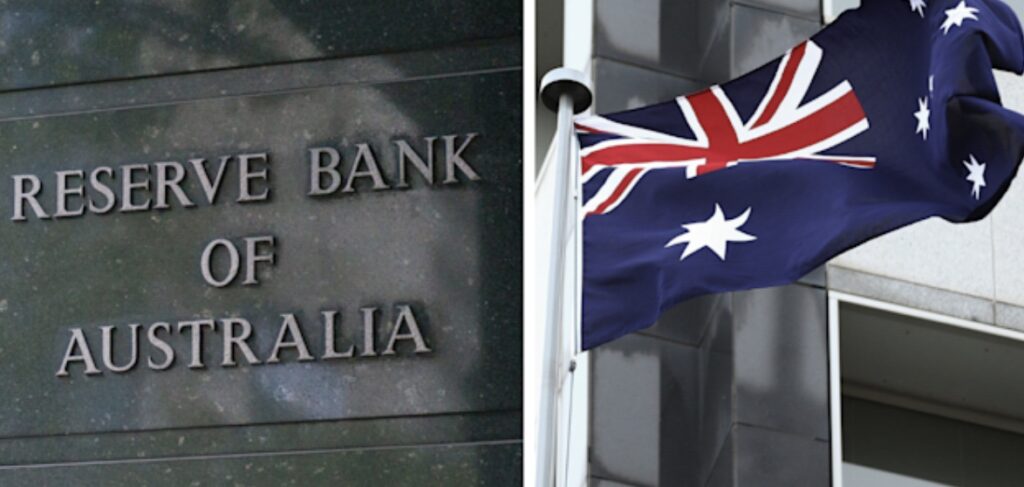
- 这个 澳大利亚储备银行(RBA) 周二宣布其下一次现金利率决定,市场目前认为第二次上调至4.1%的可能性为66%。
- 一些分析师警告说,到年底,伊朗战争可能会将美国的通货膨胀率推迟到3.5%,并将美联储的降息推迟到9月,这使本周的联邦公开市场委员会点阵图成为多年来最受关注的点阵图。
- 伊朗发起官方媒体称其为 “自战争开始以来最激烈的行动”,此后,布伦特原油价格上涨至每桶100美元。
澳洲联储:澳大利亚会再次加息吗?
在2025年下半年通货膨胀率大幅回升之后,澳大利亚央行在2月份的会议上两年来首次将现金利率提高至3.85%。
现在的问题是,在下一季度消费者价格指数公布之前,它是否会再次发生变化,该数据要到4月29日才能公布。
副州长安德鲁·豪瑟在会前承认,决策者面临着一个真正分歧的决定,这个决定是由国内相互矛盾的经济信号和国外日益加剧的不稳定性造成的。
金融市场目前认为再次加息的可能性约为66%,无论周一发生什么情况,5月份的加息几乎是肯定的。
关键日期
- 澳洲联储现金利率决定: 澳大利亚东部夏令时间3月17日星期二下午 2:30
- 布洛克州长新闻发布会: 澳大利亚东部夏令时间3月17日星期二下午 3:30
监视器
- 布洛克可能在5月提及进一步加息
- 澳元/美元立即做出反应。
- 澳大利亚证券交易所银行和房地产投资信托基金。

联邦公开市场委员会:可能持有,所有人都在关注点阵图
联邦公开市场委员会将于3月17日至18日举行会议,政策声明定于美国东部时间3月18日下午2点发布,主席杰罗姆·鲍威尔的新闻发布会定于下午2点30分。芝加哥商品交易所联邦观察显示,美联储将利率维持在3.50%至3.75%的可能性为99%。
真正的行动在经济预测摘要(SEP)和点图中。目前的中点显示2026年削减了25个基点。如果转为两次削减,那对风险资产来说是鸽派和利好的。如果转为零降息或在预测中增加加息,市场可能会朝另一个方向做出反应。
使事情进一步复杂化的是,鲍威尔的美联储主席任期将于2026年5月23日届满。凯文·沃什是接替他的主要候选人,他认为他在货币政策上更加鹰派。鲍威尔对这一转变的任何评论都可能独立于利率决定本身推动市场。
关键日期
- 联邦公开市场委员会利率决定 + SEP/DOT 图: 澳大利亚东部夏令时间3月19日星期四凌晨 4:00
- 鲍威尔新闻发布会: 澳大利亚东部夏令时间3月19日星期四凌晨 4:30
监视器
- 鲍威尔关于石油和关税通胀的措辞。
- 2年期美国国债收益率反应。
- 芝加哥商品交易所 FedWatch 会根据9月份减产概率的任何变化重新定价。

日本银行:可能会提前进一步收紧政策
日本央行将于3月18日至19日举行会议,预计将在东京时间周四上午做出决定。目前的政策利率为0.75%(30年来的最高水平),2026年1月的会议以8票对1票维持不变。
上田州长将三月份的会议归类为 “现场会议”,并指出,如果Shunto春季工资谈判得出强于预期的结果,进一步紧缩的时间表可能 “提前”。
这些结果将在本周开始公布,这使它们成为日本央行决定的关键投入。野村预计,2026年申通的工资将增长约5.0%,包括资历,基本薪酬增长约3.4%。如果结果证实了这一轨迹,那么3月份加息的理由就会大大加强。
复杂之处在于全球背景。日本大约90%的能源需求是进口的,而每桶约100美元的石油正在推高进口成本,并有可能增加通货膨胀压力。日本央行在全球石油冲击中加息将是一个异常大胆的举动。
大多数市场参与者仍然倾向于在本次会议上暂停,4月或7月被视为更有可能采取下一步行动的时机。
关键日期
- 日本央行政策利率决定(目前为0.75%): 澳大利亚东部夏令时间3月19日星期四上午
监视器
- Shunto 的工资业绩是 3 月份加息的主要触发因素。
- 4月和7月的上田新闻发布会语言和前瞻性指导。
- 美元/日元的反应。

石油:持续波动
本周早些时候,布伦特原油短暂触及每桶119.50美元,随后下跌17%,至80美元以下,随后因华盛顿发出有关霍尔木兹海峡的喜忧参半的信号而反弹至95美元。
截至周四,由于伊朗对商业航运发动了新的攻击,而国际能源署的储备金未能带来有意义的缓解,布伦特原油价格回升至100美元以上。
在长期冲突对能源基础设施造成损害的情况下,分析师估计,到2026年底,消费者价格指数可能升至3.5%,第二季度汽油价格接近每加仑5美元。
在本周,石油充当宏观元变量。每一个地缘政治头条、停火信号、油轮袭击、储备金释放和特朗普的言论都可能实时影响股票、债券和货币。
监视器
- 任何恢复的霍尔木兹海峡油轮航行。
- 国际能源署紧急储备金发布。
- 特朗普关于伊朗的声明。
- 能源板块股票。


The long-awaited July FOMC meeting is finally upon us where rates markets are pricing in a sure thing for a 25bp hike (even a small chance of a 50bp), the question that traders will be looking for to be answered is “is this it?”. With a growing number of economists calling this the top in rates, butting up against the FOMC June statement and unwavering Fed speak since, giving guidance that there will be two more this year (including July if it happens). This sets traders up with an intriguing FOMC meeting, with the accompanying statement and Powell Presser sure to see some volatility as traders look for clues as to what’s to come.
With the background of recently cooling inflation, any language around the previously released June dot plots and whether they are still a reasonable estimate of future rate movements will likely be key. Fed Futures odds: Source: CME Fedwatch tool Tis seta traders up with some unique opportunities as the battle between the Market and the Fed should see some real volatility in both direction as market participants digest the statement and then Powell’s presser, which in the past, has contradicted somewhat traders perception of the statement. Charts to watch: DXY – The US Dollar Index It’s been straight up since mid-July after DXY bounced from extreme oversold levels, breaking through and holding the key S/R (and psychological) 101 level, which has held as support in the last couple of sessions.
Despite this recent rally DXY is still in the oversold half of it’s daily RSI, a hawkish Fed pushing back against the market today would likely see DXY push to test the next major S/R level at 102. A dovish Fed could see the recently established support at 101 seriously tested. In my opinion there is more chance of an upside surprise, given the market seems to be leaning towards pricing in a Powell capitulation.
US 10-year government bonds Government bonds are an asset. I think a lot of CFD traders are missing great opportunities in, in the current climate of rates and inflation taking center stage they are one of my favourite markets to trade with some great range trading opportunities. Looking at the chart of the US 10-year with the yields superimposed to see the negative correlation between the two (when you trade bonds, you trade the price, not yield) Over the last twelve months the yield on the 10-year has tested and subsequently struggled to stay above 4%, this turn lower in yields at this level gives a bond trader an opportunity by buying the bond price.
Todays FOMC should see some volatility in yields, I recommend keeping an eye on these over the coming days for some good trading opportunities as yields hit pivotal levels. Today’s FOMC decision is due out at 18:30 GMT


After surging close to 4% since early July off the back of a weakening USD, the EURUSD pair has stabilised around $1.123. With very little volatility seen this week in the pair, eyes now turn to the euro, as the European inflation data is set to be released today. Analysts are predicting a continued downward trend in inflation, with a Year-on-Year forecast of 5.50%, which is below May’s figure of 6.1%.
If the inflation data comes in above forecasts, we may see a further increase in the EUR as investors move towards the potentially higher yields. On the technical front, the tightening of Bollinger Bands on the 4-hour chart is something to watch. The lack of movement in the EURUSD pair throughout this week has led to exceptionally tight Bollinger Bands, with levels not observed on this timeframe since 2021.
When Bollinger Bands contract significantly, it typically signifies a period of low volatility and suggests that a breakout or significant price movement may be on the horizon. The Relative Strength Index (RSI) is also in overbought territory on multiple timeframes, including the daily. This might suggest there is room for a cool-off before a further continuation higher.
However, with the European inflation data due today, the fundamental data might cancel out any technical signals.


After reaching the high of 1.1250, last tested in 2022, the EURUSD has been trading steadily lower and currently sits along the 1.0850 support level, formed by the 61.8% Fibonacci retracement level and the previous swing low from early July. Looking at the technical aspects, the Ichimoku cloud indicates continued bearish pressures, with the top of the channel providing dynamic resistance, highlighting further downside potential for the EURUSD. The current downtrend on the EURUSD has been driven by the European Central Bank’s (ECB) comments in July that there was no clear bias in favour of hiking or holding rates for the upcoming meeting in September.
Coupled with the increasing likelihood of another rate hike to come from the US FOMC in September, as the Fed continues to fight inflation, strength in the DXY has led to the EURUSD trading lower. While a brief retracement could be likely to retest the upper bound of the channel, look for the EURUSD to maintain within the bearish channel. If the price breaks below the support level of 1.0850, this could signal a confirmation of further downside, with the next key support level at the previous swing low, along the 1.0650 price level.


The EURUSD pair has been navigating challenging waters in recent weeks, experiencing a decline of more than 5% since mid-July. This decline has primarily been due to the USD's strength, as the Federal Reserve remains firm in its commitment to maintaining higher interest rates for longer to bring down inflation. Last week marked a critical turning point for EURUSD as it breached a crucial trend level.
The ascending channel that had been in place since early 2023 was broken, resulting in a swift price decline to around 1.07. Presently, the pair is sitting precariously on an important horizontal support level. The significance of this support level cannot be overstated.
Failure to hold at this level could lead to further downward movement, with the next support zone around the 1.05 mark. This impending test of support comes at a pivotal moment as the market eagerly await the release of the US Consumer Price Index (CPI) data later this week. The upcoming CPI data will be the main event for USD traders this week.
A decline in inflation could potentially soften the USD, suggesting that the Fed might consider an earlier-than-expected rate cut. On the other hand, if inflation exceeds analyst estimates, it may bolster the USD's strength, potentially causing the EURUSD pair to breach its current support level and head towards lower levels. As we approach the release of the CPI data, all eyes are on this key economic indicator.
Its outcome will undoubtedly serve as a pivotal driver of direction for the EURUSD pair this week.


EU and UK indices are looking to open slightly stronger despite a weak lead from the Asian session. Aussie and Asian indices finish in the red after US-China tech-related frictions and disappointing Japanese GDP revisions weighed on risk sentiment. Asian session wrap - FX Markets The USD was softer with DXY retreating from extreme RSI overbought levels to push below the key 105.00 level.
Dovish commentary from the Fed’s Logan ahead of the Fed blackout window and strength in the Dollars major counterparts outweighing the sour risk sentiment which would normally see the Dollar benefit from haven flows. EUR bounced back after a sell-off on Yesterday’s dismal German data. EURUSD pushing back above the 1.0700 level after finding support at the June lows.
USDJPY was choppy with early drop due to the risk-off mood and MoF jawboning saw the pair test the S/R level at 146.63 before bouncing back as the Asian session progressed. Japanese Finance Minister Suzuki stating in comments that rapid FX moves are undesirable and warned the Japanese MoF won't rule out any options (intervention?) AUDUSD rallied to test the key 0.6400 S/R level, despite the risk-off tone and recent commodity pressure. A weaker USD and some technical support from the daily trendline seeming to be the key drivers.
Looking ahead, the main risk events data wise will be Canadian jobs figures later today and Chinese CPI released on Saturday.


The DAX cooled off in yesterday’s session off the back of higher-than-expected German inflation data. With analysis expecting the Year-on-Year rate to fall to 6%, the actual number was higher at 6.2%. This has raised some concerns over the fight against inflation in Germany, putting an end to the three-day green streak for the DAX.
Technically, price bounced nicely off the support zone around 15,500-15,600. This level has acted as both a key area of resistance and support in the past 6 months. Since the first breakout above that zone in March, price has been ranging sideways ever since.
Multiple attempts to break and hold above the January 2022 high have failed, and the recent sell-off coincided nicely at the mid-range level. From a purely support and resistance technical view, there are two scenarios that could occur. The first would be a fall back down to the key support level around 15,600.
The second could be a positive catalyst news even that kicks price through the mid-range resistance level and back up towards the January 2022 high for a 4th attempt at breaking through. Since the recent low 2 weeks ago, the price action formed a more bullish market structure on the lower timeframes. We’ve seen a clean higher high and higher low.
While this bullish structure holds, bulls could remain in control.