学习中心
学习中心

市场资讯及洞察

Market insights
China trade data, USDJPY and offshore cues for Australia | Asia-Pacific outlook

Asia-Pacific markets start the week with sentiment shaped by China’s mid-week trade data, USDJPY (USD/JPY) as Japan’s key volatility channel, and offshore reporting influencing Australian equities. With a light domestic data calendar, global events may do most of the work on risk appetite.

Quick facts:

  • China's mid-week trade data is the primary regional risk event, with imports monitored for signs of domestic demand stability.
  • USD/JPY remains the key volatility channel, which may influence Nikkei performance.
  • Australian equities lack major domestic catalysts, leaving the ASX and AUD direction sensitive to China outcomes, geopolitics and US bank earnings.

This week’s Asia-Pacific focus is less about local policy and more about the transmission channels that typically set the tone. 

For China, trade data may shape the growth narrative. 

For Japan, the USD/JPY direction may influence equity momentum. 

For Australia, offshore earnings, commodities and geopolitics may dominate in the absence of major domestic catalysts.

China: Shanghai may be influenced by trade data

What to watch:

With mid-week Chinese trade data, markets may view the release as a gauge of whether policy support is translating into growth activity or slowing any downturn.

Key release:

  • Wed 14 Jan: Trade balance, exports and imports (December) (high sensitivity)

How markets may respond:

Shanghai Composite: Stronger trade data could support sentiment, though the quality and perceived longevity of any improvement may matter. Weak imports would likely be read as continued softness in domestic demand.

Australia (resources and AUD): China trade and credit tone can feed directly into bulk commodity expectations and regional risk appetite, with potential flow-through to ASX miners and AUDUSD (AUD/USD).

Source: Trading Economics

Japan: FX sensitivity remains the key factor

What to watch:

With no major policy decision scheduled, and the producer price index (PPI) the main data point, Japan’s influence this week may run primarily through USD/JPY moves after US data releases, and broader geopolitical headlines, particularly as markets reopen after Monday’s public holiday.

Key releases:

  • Wed 14 Jan: Preliminary machine tool orders, year on year (y/y) (low sensitivity)
  • Thu 15 Jan: PPI (medium sensitivity)

How markets may respond:

USD/JPY: The pair ended last week around 158, near recent highs. Moves can be volatile; markets will watch whether the pair holds recent strength or retraces, particularly around prior trading ranges.

Nikkei 225: The index hit a record high early last week before a modest two-day pullback, then closed higher on Friday. Equity momentum, often closely tied to FX stability, may be influenced by the strength or otherwise of USD/JPY.

Australia: offshore drivers dominate in a lighter data week

What to watch:

In the absence of significant domestic data releases, Australian markets may be more exposed to external influences. The main themes are China trade data, geopolitics, commodity prices and the start of the US earnings season, with banks in focus.

Key releases:

  • Tue 13 Jan: Westpac consumer sentiment (low sensitivity)
  • Thu 15 Jan: Melbourne Institute (MI) inflation expectations (low sensitivity)

How markets may respond:

ASX 200: The index has been consolidating around the 8,700–8,800 area (approx.). Local financial stocks may react to inferences made from US bank earnings. Stocks such as Macquarie Group are typically more sensitive to global market conditions and activity in investment markets, often drawing comparisons with US peers such as JPMorgan Chase (JPM).

AUDUSD (AUD/USD): AUD/USD has pulled back after last week’s gains and is trading near recent highs. Technical commentary is mixed, and price action can change quickly around major offshore events.

Other Asia-Pacific events

South Korea is expecting an interest rate decision on Thursday. Any deviation from market expectations for no change (currently 2.5% per Trading Economics) could create a minor FX ripple in regional currency pairs.

Asia-Pacific calendar:

  • Mon 12 Jan: Japan public holiday
  • Tue 13 Jan: Australia consumer sentiment
  • Wed 14 Jan: China trade balance, exports and imports
  • Thu 15 Jan: Bank of Korea rate decision; Japan PPI; Australia inflation expectations

Bottom line

  • If China trade and credit data stabilise, regional equities may move higher, with AUD and ASX resource stocks among the key sensitivity points.
  • If USD/JPY extends higher, the Nikkei may remain supported near highs, though FX volatility risk may increase.
  • If US bank earnings disappoint, ASX financials could face near-term pressure despite limited domestic data.
  • Information is accurate as at 23:00 AEDT on 11 January 2026. Economic calendar events, charts and market price data are sourced from TradingView.
Mike Smith
January 12, 2026
The magnificent seven in big tech. Biggest US technology companies.
US Earnings
US earnings season 2026: Mag 7 guide for Aussie traders

So why do Magnificent 7 (Mag 7) earnings matter for Australians? Because the US earnings season is a different sport from Australia, and this is where the scoreboard sits. These seven names do not just report results, they set the tone for the Nasdaq, the S&P 500, and risk appetite more broadly. They often influence index tone, but market moves are not guaranteed and can fade or reverse.

The Aussie edge: time zones, event windows, and what gets priced

For Aussie traders, the challenge is not just timing. It's overnight gaps, liquidity, and AUD/USD currency moves that can amplify or offset the share price reaction.

Most Mag 7 results land after the US close, so the initial move often hits Sydney morning liquidity. Markets may react first to the headline numbers, then again during the call as guidance, margins and capex are digested — but the sequence varies by quarter.

What this guide gives you, company by company

For each company, we map the US Eastern Time (ET) reporting window and the Sydney time window (AEDT), flag whether it is before or after the US close, and narrow the focus to the few drivers that tend to move price.

High-resolution 3D illustration of scattered black app-style tiles featuring the Apple logo on a dark background. Concept for consumer tech, smartphones, hardware, apps and brand ecosystem themes
Source: Adobe Images

Apple Inc (NASDAQ: AAPL)

Apple is a “quality” print until it isn’t. The market doesn’t just ask if Apple beat. It asks whether demand and mix support the next leg.

Reporting window (confirmed)

  • US reporting time: Thu, 29 Jan 2026 at 5:00 pm ET (after close)
  • AU reporting time: Fri, 30 Jan 2026 at 9:00 am AEDT

Quarter snapshot (Q1)

  • Projected consensus earnings per share (EPS): US$2.65
  • Projected consensus revenue: US$135.86 billion (bn)
  • Call focus: iPhone demand and mix, services trajectory, China and FX translation

Translation: Apple “beats” are common. The repricing comes from demand tone and margin language.

Earnings expectations and how the market will frame it

A “beat” means EPS and revenue come in above expectations, but it only really counts if demand still sounds healthy and the gross margin commentary stays straightforward.

A “meet” means results are basically in line, so attention shifts to the call. Investors will focus on iPhone product mix, how fast Services is growing, and whether any specific regions are weakening.

A “miss” often reacts more negatively if it is driven by weaker demand, because the market may treat it as the start of a trend, not a one time issue. You can also see a big price gap right after the report, before the call even starts.

3D render featuring the Meta infinity logo on a white rounded tile with a pile of matching tiles behind on a bright blue background. Ideal for social media, tech platforms, digital communication and branding concepts.
Source: Adobe Images

Meta Platforms Inc (NASDAQ: META)

Meta is expected to report the December quarter, which effectively turns this into a Sydney morning catalyst for Aussie traders. The headline move hits first but the second leg often comes from the call, when guidance and capex ranges get priced.

Reporting window (expected)

  • US reporting time: Mon, 2 Feb 2026 at 4:05 pm ET (after close)
  • AU reporting time: Tue, 3 Feb 2026 at 8:05 am AEDT

Quarter snapshot (Q4)

  • Projected consensus EPS: US$8.29
  • Projected consensus revenue: US$58.27 bn
  • Call focus: AI infrastructure capex, Ads demand plus Reels monetisation and Reality Labs losses versus discipline

Translation: Meta can beat the print and still sell off if the Street hears “higher spend, longer payoff.”

Earnings expectations and how the market will frame it

A “beat” means EPS and revenue come in above consensus, but it only really counts if guidance stays intact and the 2026 capex and expense ranges do not get wider.

A “meet” is close enough that the stock trades the tone of the call: how broad ad demand looks, whether Reels monetisation is improving, and whether spending sounds capped or more open ended.

A “miss” can turn ugly quickly if it comes with weaker ad demand commentary or higher spend bands. With expectations already high, the initial gap can be sharp, and what happens next depends on whether guidance can steady the story.

Colorful 3D illustration of stacked Google app icon tiles, including Chrome, YouTube, Android and other Google services, on a blue background. Great for topics like apps, search, mobile OS, cloud services and digital ecosystems.
Source: Adobe Images

Alphabet Inc (NASDAQ: GOOGL)

Alphabet is still an ads engine first, and a Cloud and AI story second. The market wants proof that Cloud profitability and AI spend can coexist without compressing the whole narrative.

Reporting window (confirmed)

  • US reporting time: Wed, 4 Feb 2026 at 4:00 pm ET (after close)
  • AU reporting time: Thu, 5 Feb 2026 at 8:00 am AEDT

Quarter snapshot (Q4)

  • Projected consensus EPS: US$2.59
  • Projected consensus revenue: TBC
  • Call focus: Search and YouTube ads pricing and volume, Cloud growth and profitability, AI capex and monetisation signals

Translation: The market forgives a lot if ads are strong and Cloud margins keep improving.

Earnings expectations and how the market will frame it

A “beat” means EPS and revenue come in above consensus, but it only really matters if ad demand sounds broad and Cloud profitability does not slip while AI spending ramps.

A “meet” puts the call in the driver’s seat, with investors listening for ad pricing trends, YouTube momentum, and whether capex is moving higher.

A “miss” hurts most if it is driven by weaker ads, because then the market starts debating the ad cycle, not just the company.

High-resolution 3D render of scattered Amazon logo tiles on a bold yellow background. Concept image for ecommerce, online shopping, logistics, retail technology and marketplace platforms.
Source: Adobe Images

Amazon.com Inc (NASDAQ: AMZN)

Amazon is two businesses stapled together in the tape. The market uses AWS to price growth and uses retail margins to price discipline.

Reporting window (expected)

  • US reporting time: Mon, 2 Feb 2026 at 4:00 pm ET (after close)
  • AU reporting time: Tue, 3 Feb 2026 at 8:00 am AEDT

Quarter snapshot (Q4)

  • Prijected consensus EPS: US$1.97
  • Projected consensus revenue: US$211.33 bn
  • Call focus: AWS growth and margins, retail profitability/fulfilment efficiency, advertising momentum, capex tone

Translation: AWS decides the direction. Retail decides the confidence.

Earnings expectations and how the market will frame it

A “beat” means EPS and revenue come in above consensus, but it only really matters if AWS holds steady or speeds up again and management does not worry the Street with spending plans.

A “meet” puts AWS and margin tone front and centre, and the call does most of the work.

A “miss” usually gets hit hardest when AWS growth slows or operating income guidance disappoints, because that is what can reset the whole valuation debate.

3D illustration of stacked Microsoft-related app tiles (Office/365-style icons and services) on a blue background. Useful for themes like productivity software, cloud, enterprise tech and digital workplaces.
Source: Adobe Images

Microsoft Corp (NASDAQ: MSFT)

Reporting window (confirmed)

  • US reporting time: Wed, 28 Jan 2026 at 4:00 pm ET (after close)
  • AU reporting time: Thu, 29 Jan 2026 at 8:00 am AEDT

Quarter snapshot (Q2)

  • Projected consensus earnings per share (EPS): US$3.86
  • Projected consensus revenue: US$80.09 bn
  • Call focus: Azure growth, AI monetisation (Copilot/attach), capex intensity, and margin trajectory

Translation: This is usually a cloud plus capex trade, not an EPS trade.

Earnings expectations and how the market will frame it

A “beat” means EPS and revenue come in above consensus, but it only really matters if Azure is holding up and capex does not sound unlimited. Beat plus steady cloud trends and stable margins is the upside script the tape usually rewards.

A “meet” puts the focus on the call, especially Azure growth, commercial bookings tone, and how quickly capex is stepping up.

A “miss” usually gets punished most when cloud growth slows or margins get shaky, because that is the key forward anchor the market leans on.

High-resolution 3D illustration of clustered Nvidia logo tiles on a green background. Strong fit for topics like GPUs, AI computing, semiconductors, gaming hardware and tech industry news.
Source: Adobe Images

NVIDIA Corp (NASDAQ: NVDA)

Nvidia is the season’s last boss. Markets treat it like a read-through on AI capex itself. The print matters, but guidance and gross margin are the real price setters.

Reporting window (confirmed)

  • US reporting time: Wed, 25 Feb 2026 at 4:20 pm ET (after close)
  • AU reporting time: Thu, 26 Feb 2026 at 8:20 am AEDT

Quarter snapshot (Q4)

  • Projected consensus EPS: US$1.45
  • Projected consensus revenue: US$65.47 bn
  • Call focus: Data centre demand versus capacity, gross margin trajectory, supply/lead times, next-quarter guide

Translation: Guidance and gross margin commentary often drive the reaction, but outcomes vary.

Earnings expectations and how the market will frame it

A “beat” means EPS and revenue come in above consensus, but it only really matters if the next quarter outlook confirms demand is still strong and the gross margin message stays solid.

A “meet” means the call becomes the decider, and the stock trades the outlook, margins, and what management says about supply conditions.

A “miss” can gap down fast, especially if it comes with softer forward guidance, because the market may take it as a clue about the broader AI spending cycle.

3D render of scattered Tesla logo tiles on a clean gray background. Concept image for electric vehicles, EV technology, automotive innovation, energy and future mobility themes.
Source: Adobe Images

Tesla Inc (NASDAQ: TSLA)

Tesla’s earnings are rarely just about the quarter. The print hits first, but the real repricing usually happens when the call clarifies margins, demand, and the autonomy timeline. For Aussie traders, it’s a Sydney morning catalyst.

Reporting window (confirmed)

  • US reporting time: Wed, 28 Jan 2026 at 4:05 pm ET (after close)
  • AU reporting time: Thu, 29 Jan 2026 at 8:05 am AEDT

Quarter snapshot (Q4)

  • Projected consensus EPS: US$0.44
  • Projected consensus revenue: US$25.15 bn
  • Call focus: Autonomy/robotaxi cadence, auto gross margin, pricing/demand and energy storage scale

Translation: Tesla can “beat” and still get sold if margins compress or the roadmap tone shifts.

Earnings expectations and how the market will frame it

A “beat” means EPS and revenue come in above consensus, but it only really matters if the margin story stays intact and management does not add fresh uncertainty around pricing or timing.

A “meet” is close enough that the stock trades the tone of the call, especially on demand, how durable margins look, and progress toward autonomy milestones.

A “miss” gets hit fastest when it comes with weaker margin language or softer demand comments, because the market will assume next quarter looks tougher, not easier.

GO Markets
January 12, 2026
每日财经快讯
黄金:历史高位的再平衡与核心驱动力

摘要:高位震荡新常态

进入2026年,黄金市场并未如部分预期般“冷却”,而是进入了高位、高波动的“再平衡”阶段。截至1月9日,现货黄金价格在4,454美元/盎司附近盘整,虽较2025年12月26日创下的历史高点(4,549.92美元/盎司)有约2.1%的回调,但仍稳固地站在历史性的价格高位 [1]。这一价格水平的背后,是2025年金价超过64%的惊人涨幅——这是自1979年以来最强劲的年度表现之一 [2]。

当前市场的核心特征并非单边趋势的延续,而是在多重因素交织下的剧烈波动。投资者正在同时交易三大核心主题:货币政策预期地缘政治风险市场资金流向。理解这三大驱动力,是把握当前黄金市场脉搏的关键。

货币政策与美元:预期比现实更重要

在高位区间,黄金对利率和美元的敏感度被显著放大。市场的焦点已从“美联储已经做了什么”转向“下一步可能做什么”。

美联储的微妙平衡:近期偏软的劳动力市场数据,一度点燃了市场对美联储提前或加速降息的预期,为黄金提供了支撑。然而,任何显示经济韧性的数据(如强劲的非农就业报告)都可能迅速逆转这一预期,导致金价承压。这种在“降息预期”与“更高更久利率”之间的快速切换,是当前市场高波动性的主要来源之一。

值得注意的是,美联储的领导层也将在2026年迎来变数。现任主席杰罗姆·鲍威尔的任期将于5月结束,市场普遍预期新任主席不太可能采取更为鹰派的政策立场,这为黄金的长期价值提供了潜在的政策底 [3]。

实际利率是理解这一逻辑的核心。作为一种无息资产,黄金的价格与实际利率(名义利率减去通胀预期)呈负相关。在当前降息周期的大背景下,即使降息步伐放缓,只要实际利率维持在低位,持有黄金的机会成本就相对较低,从而对其价格构成结构性支撑。

地缘政治与避险需求:风险溢价永久化

黄金作为“不确定性的定价工具”的角色在当前尤为凸显。牛津经济研究院的分析指出,地缘政治风险正从过去的“短暂冲击”演变为大宗商品定价的“永久性因素” [4]。

央行购金是这一趋势最直接的体现。中国人民银行已连续14个月增持黄金,截至2025年12月末,其黄金储备已达7,415万盎司 [5]。世界黄金协会的数据显示,全球央行在2025年持续净购入黄金,这股结构性的买盘力量为金价提供了坚实的底部支撑。

资金流向与市场结构:技术性因素的放大效应

除了宏观基本面,资金层面的技术性因素也在加剧市场波动。

指数再平衡:年初的彭博大宗商品指数(Bloomberg Commodity Index)年度权重调整,可能引发管理着数千亿美元的指数基金进行仓位调整,从而对包括黄金在内的贵金属价格造成短期扰动 [6]。

ETF持仓变化:全球最大的黄金ETF——SPDR Gold Trust(GLD)的持仓量变化是观察投资者情绪的重要窗口。数据显示,其持仓量在2025年底至2026年初维持在高位,表明投资者对黄金的配置需求依然旺盛 [7]。

高位获利了结:在经历了2025年的大幅上涨后,任何风吹草动都可能触发部分投资者的获利了结行为,这在短期内会放大价格的回调压力。

机构展望:谨慎乐观下的共识

尽管短期波动剧烈,但多家主流投行对2026年的黄金市场仍持谨慎乐观态度,普遍认为金价仍有上行空间,但高波动将是常态。

未来展望:两份关键数据与产业链传导

对于短期交易者而言,未来两周的两份美国经济数据将是关键的“波动性事件”:

美国12月非农就业报告 (NFP)1月9日(美东时间08:30)发布。市场将重点关注新增就业人数、失业率,以及更能反映通胀压力的平均时薪增速。数据的“喜忧参半”最容易引发市场剧烈震荡。

美国12月消费者价格指数 (CPI)1月13日(美东时间08:30)发布。除了总体CPI,市场将更关注剔除食品和能源的核心CPI以及服务业通胀,这些数据是判断美国通胀“粘性”和美联储降息空间的关键。

此外,金价的强势已经向上游产业链传导。以中国最大的黄金生产商紫金矿业为例,该公司预计2025年净利润将同比增长59%-62%,达到创纪录的51-52亿元人民币,其市值也跃升至全球矿业公司第二位 [8]。这表明,黄金的牛市不仅是金融市场的交易故事,也实实在在地影响着实体经济的盈利预期和资本开支。

风险提示与结语

综合来看,2026年的黄金市场正处在一个复杂的十字路口。一方面,宏观经济的不确定性、结构性的央行需求和持续的地缘政治风险,为金价提供了强有力的支撑。另一方面,历史高位的价格本身就意味着更高的波动性和回调风险。投资者在关注潜在上行空间的同时,也必须对市场的剧烈波动和潜在的下行风险保持高度警惕。

声明:本文旨在整理公开市场信息、梳理逻辑框架,不构成任何投资建议、交易指引或收益承诺。所有引用数据均来自公开渠道,并已尽可能核实。请读者结合自身情况独立判断,审慎决策。

References

[1] Trading Economics. (2026). Gold | 1968-2026 Data | 2027-2028 Forecast. https://tradingeconomics.com/commodity/gold

[2] Sina Finance. (2026). Gold Prices Surge Over 64% in One Year: Reasons Explained. https://finance.sina.com.cn

[3] HSBC. (2026, January 8). Gold Could Hit $5,000 an Ounce in First Half of 2026. https://www.reuters.com/business/gold-could-hit-5000-an-ounce-first-half-2026-says-hsbc-2026-01-08/

[4] Cailian Press. (2026). Commodity Markets Enter New Era: Geopolitical Risks Become "Permanent Pricing Mechanism". https://www.cls.cn

[5] FastBull. (2026). Trump's Disruption: Dollar-Gold Safe Haven Logic Shifts. https://m.fastbull.com

[6] Beijing News. (2026). Central Bank Increases Gold Holdings for 14 Consecutive Months; Foreign Exchange Reserves Rise for 5 Consecutive Months. https://www.bjnews.com.cn

[7] Reuters. (2026). Gold Trading Alert: Price Crashes Nearly 1% at High Levels. https://finance.sina.com.cn

[8] Sina Finance. (2026). Global Largest Gold ETF Fund SPDR Holdings Data. https://quotes.sina.cn

[9] Sina Finance. (2026). HSBC: Spot Gold Expected to Reach $5,000 per Ounce in First Half of 2026. https://finance.sina.com.cn

[10] Sina Finance. (2026). Morgan Stanley Prediction: Gold to Rise to $4,800 in Fourth Quarter of 2026. https://finance.sina.com.cn

[11] Wall Street News. (2026). Goldman Sachs Commodities Outlook: Central Bank Gold Buying + Fed Rate Cuts, Bullish on Gold in 2026. https://wallstreetcn.com

[12] Sina Finance. (2025, December 31). Zijin Mining 2025 Net Profit Expected to Increase 59%-62%: Gold, Silver, and Copper Volume and Price All Rise. https://finance.sina.com.cn/roll/2025-12-31/doc-inhesnwn9157323.shtml

Kara Yang
January 9, 2026
Market insights
US inflation test, bank earnings open season, and gold and geopolitics in focus | GO Markets week ahead

Ahead of the US nonfarm payrolls (NFP) release (Friday, 9 January, 8:30 am ET/ Saturday, 10 January, 12:30 am AEDT), major US equity indices have been trading near recent highs (as at 9 January 2026).

Next week, attention is likely to shift to inflation data, any change in expectations for Federal Reserve (Fed) policy, and the start of US earnings season. Together, these may support or challenge current valuations.

Quick facts:

US inflation: The consumer price index (CPI) and producer price index (PPI) releases will test whether inflation is showing signs of persistence.

Earnings season: Major US banks report first, providing an early read on financial conditions and whether current valuations can hold up.

Gold futures: Gold futures remain close to record levels, with US dollar (USD) moves after key data a potential swing factor.

Geopolitics: Ongoing tensions remain on the radar and could influence risk sentiment.

US inflation data: could CPI and PPI shift rate-cut expectations?

Timing: 

  • CPI: Wednesday 14 January, 12:30 am AEDT
  • PPI: Thursday 15 January, 12:30 am AEDT

CPI and PPI are the major scheduled macro events for the week. The updated inflation prints across consumer and producer prices will help markets assess whether disinflation is continuing or whether inflation is showing signs of persistence.

Market impact:

  • A softer outcome could support risk sentiment and weigh on Treasury yields and the USD. However, reactions can vary depending on positioning and broader macro headlines, including how confidently markets price a March Fed rate cut.
  • A stronger-than-expected reading may pressure equities and reinforce caution in bond markets.

US earnings season begins with the banks

Timing: 

  • JPMorgan Chase (JPM): Tuesday, 6:35 am ET 

US earnings season begins with results from major banks, providing an early snapshot of financial conditions and economic momentum. Investor attention is likely to extend beyond headline earnings to guidance and management commentary.

Market impact

  • Strong results versus earnings per share (EPS) and revenue expectations could support sentiment, particularly within financials.
  • Cautious forward guidance may pressure share prices and could weigh on broader indices if it becomes a common theme.
  • Early bank prints can shape expectations for the wider season. Watch how the first reporters in each sector influence related stocks. 

Gold futures to retest record highs?

After a recent pullback, gold futures are trading within striking distance of record highs again. The backdrop remains a mix of geopolitical uncertainty and the potential for data-driven moves in the USD.

Market impact

  • Continued strength could support a retest of late December highs around US$4,585.
  • The short-term US$4,500 area may act as a short-term technical resistance in determining whether upside momentum can hold.
  • Another pullback may occur if yields rise or the USD strengthens following key data releases.
All gold futures prices quoted were captured as of 9 January 2026, 10:30 am AEDT (source: TradingView).

Geopolitics remains in focus

Geopolitics remains a background market consideration, with headlines and broader policy messaging sometimes influencing risk sentiment. Markets have shown resilience to date, but sensitivity may rise if developments escalate.

Market impact

  • Escalation could influence energy prices, defence stocks, and hedging assets such as gold.
  • A cooling in the narrative may reduce volatility and allow markets to refocus on macro data and earnings.

Economic calendar

All dates and times may be subject to change.

Mike Smith
January 9, 2026
Oil, Metals, Soft Commodities
Market insights
Top 10 countries with the largest oil reserves

Venezuela commands the world's largest proven oil reserves at 303 billion barrels. Yet political turmoil, global sanctions, and recent US intervention show that being the biggest isn’t always best.

Quick facts:

  • Venezuela holds 18% of the world's total proven oil reserves despite producing less than 1% of global consumption.
  • Just four countries (Venezuela, Saudi Arabia, Iran, and Canada) control over half the planet's proven reserves.
  • Saudi Arabia dominates crude oil production contributing to over 16% of global exports.
  • US shale technology has enabled America to lead in production despite ranking ninth in reserves.

Top 10 countries by proven oil reserves

1. Venezuela – 303 billion barrels 

  • Controls 18% of global reserves, primarily extra-heavy crude in the Orinoco Belt requiring specialised refining.
  • Heavy crude trades $15-20 below Brent benchmarks due to high sulphur content and complex processing requirements.
  • Output crashed 60% from 2.5 million bpd in 2014 to less than 1.0 million bpd last year.
  • Approximately 80% of exports flow to China as loan repayment, with export revenues dwarfed by reserve potential.

2. Saudi Arabia – 267 billion barrels 

  • Majority light, sweet crude oil requires minimal refining and commands premium prices, contributing to world-leading exports of $191.1 billion in 2024.
  • Maintains 2-3 million bpd of spare production capacity, providing market stabilisation capability during supply disruptions.
  • Oil comprises roughly 50% of the country’s GDP and 70% of its export earnings.
  • Production decisions significantly impact international oil prices due to market dominance.
Source: Oil & Gas Middle East

3. Iran – 209 billion barrels 

  • Heavy Western sanctions severely limit the country’s ability to monetise and access international markets.
  • Production estimates vary significantly (2.5-3.8 million bpd) due to sanctions, limited transparency, and restricted international reporting.
  • Significant crude volumes flow to China through discount arrangements and sanctions-evading mechanisms.
  • Sanctions relief could rapidly boost production toward 4-5 million bpd, though domestic consumption (12th globally) reduces export potential.

4. Canada – 163 billion barrels 

  • Approximately 97% of reserves are oil sands (bitumen) requiring steam-assisted extraction and significant upfront capital investment.
  • Political stability and regulatory frameworks position Canada as a secure source compared to volatile producers, with direct pipeline access to US refineries.
  • Supplied over 60% of U.S. crude oil imports in 2024, making Canada America's top source by far.

5. Iraq – 145 billion barrels 

  • Decades of war and sanctions have prevented optimal field development and infrastructure modernisation.
  • Improved security conditions since 2017 have enabled production recovery, but pipeline attacks and aging facilities continue to constrain output.
  • Oil revenue comprises over 90% of government income, creating extreme fiscal vulnerability.
  • Exports flow primarily to China, India, and Asian buyers seeking a reliable Middle Eastern supply, with most production from super-giant southern fields near Basra.

6. United Arab Emirates – 113 billion barrels 

  • Produces primarily medium-to-light sweet crude commanding premium prices, ranking fourth globally in export value at $87.6 billion.
  • Has successfully diversified its economy through tourism, finance, and trade, reducing oil's GDP share compared to Gulf peers.
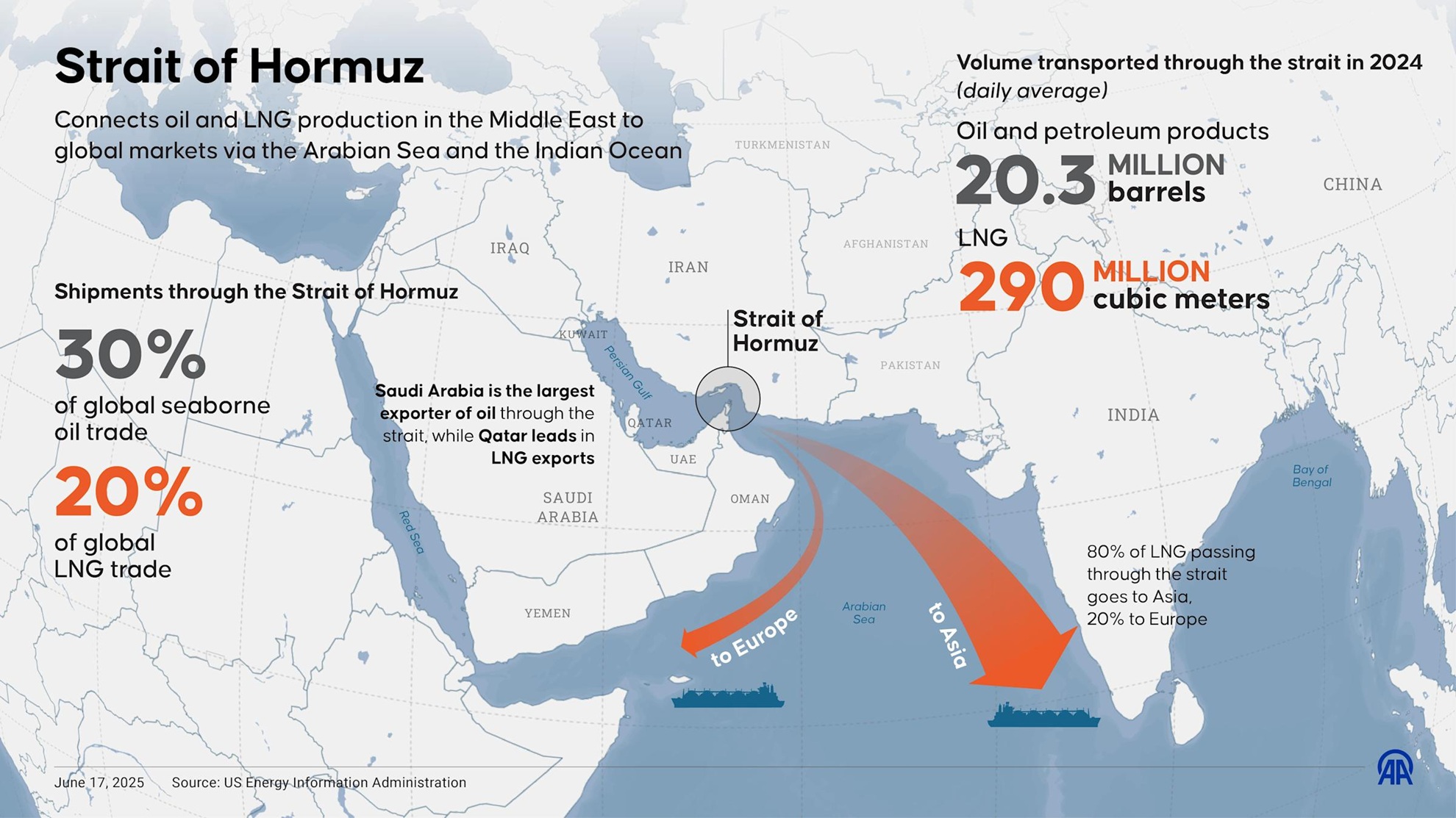
  • Strategic location near the Strait of Hormuz and openness to international oil companies help facilitate efficient global distribution.

7. Kuwait – 101.5 billion barrels 

  • Reserves are concentrated in aging super-giant fields like Burgan, which require enhanced recovery techniques.
  • Favourable geology enables extraction costs around $8-10 per barrel, with proven reserves providing 80+ years of supply at current production rates.
  • Oil comprises 60% of GDP and over 95% of export revenue.

8. Russia – 80 billion barrels 

  • World's third-largest producer despite ranking eighth in reserves.
  • Post-2022 Western sanctions redirected crude flows from Europe to Asia, with China and India now absorbing the majority at discounted prices.
  • Despite export restrictions and G7 price cap at $60/barrel, it posted the second-highest global export value at $169.7 billion in 2024.
  • Russian Urals crude typically trades $15-30 below Brent due to quality, sanctions, and logistics, with November 2024 revenues declining to $11 billion.

9. United States – 74.4 billion barrels 

  • The shale revolution through horizontal drilling and hydraulic fracturing has made the U.S. the world's #1 oil producer despite holding only the 9th-largest reserves.
  • The Permian Basin accounts for nearly 50% of production, with shale/tight oil representing 65% of total output.
  • Achieved net petroleum exporter status in 2020 for the first time since 1949, with crude exports growing from near-zero in 2015 to over 4 million bpd in 2024.
  • The U.S. government maintains a 375+ million barrel strategic reserve.

10. Libya – 48.4 billion barrels 

  • Holds Africa's largest proven oil reserves at 48.4 billion barrels, producing light sweet crude commanding premium prices.
  • Rival bordering governments compete for oil revenue control, causing production to fluctuate based on political conditions.
  • Oil facilities face blockades, militia attacks, and political leverage tactics, preventing consistent returns.
  • Favourable geology enables extraction costs around $10-15 per barrel, with geographic proximity making Libya a natural supplier to European refineries.

What does this mean for oil markets?

The concentration of reserves among OPEC members (60% of the global total) ensures the organisation has continued influence over pricing, even as US shale provides a production counterweight. 

Venezuela's potential return as a major exporter post-U.S. occupation could eventually ease supply constraints, though most analysts view significant production increases as years away.

Sanctions could create a situation where discounted crude seeks buyers willing to navigate compliance risks. Refiners with heavy crude processing capability may benefit from price differentials if Venezuelan barrels increase.

While reserves appear abundant, economically recoverable volumes depend on sustained high prices. If renewable adoption accelerates and demand peaks sooner than projected, stranded assets become a material risk for reserve-heavy producers.

GO Markets
January 8, 2026
每日财经快讯
盘点美联储今年面临的七大核心挑战
一、保持独立性:

市场的担忧并非空穴来风。如果特朗普真的动摇了外界对美联储抗通胀承诺的信心,其后果可能会十分严重。即便如此,就算下一任美联储主席想迎合特朗普、推动进一步降息,也并非轻而易举。主席仍需说服负责制定政策的联邦公开市场委员会(FOMC),一旦无法达成一致,其个人信誉将面临巨大的损害。如何同时维系FOMC、美联储内部职员、投资者以及总统之间的信任,将成为一项极具挑战性的任务。


二、利率路径:

撇开政治因素不谈,美联储确实有理由选择按兵不动。在去年已三次各降息25个基点之后,鲍威尔认为,目前的货币政策大体处于“对中性利率的合理估算区间内”。随着时间推移,维持劳动力市场稳定与实现2%通胀目标之间的矛盾预计将有所缓解。而要收集到足够证据来证明进一步调整利率是必要且合理的,恐怕仍需要一段不短的时间。


三、资产负债表

预计美联储将继续购买国债,保持投资组合规模足够庞大,以确保银行拥有充足现金储备,并维持短期借贷市场的顺畅运行。然而,一些美联储主席候选人倾向于大幅缩减资产负债表。若付诸实施,这将使货币政策执行更为复杂,不仅可能加剧利率波动,也会增加银行系统内部的风险传染。


四、银行监管:

2023年的地区性银行危机暴露了监管流程和文化中的显著缺陷。美联储理事鲍曼主张,将监管重点放在关系银行安全与稳健的核心问题上,同时简化那些过于复杂且重复的规定。这些目标无疑合理,但如何将其落实到实际操作中仍有待观察。若仅仅放松监管,纳税人和整体经济可能会因此承担不必要的风险。


五、稳定币:

美联储理事沃勒建议,为获得有限银行执照的金融科技公司提供“精简账户”,例如允许稳定币发行方将准备金存放在美联储。然而,与传统美联储账户不同,这类账户不计利息,不提供日间透支,也无法通过贴现窗口获得贷款,这在市场压力时期会限制其实际效用。如何解决这一问题,将在很大程度上影响美国支付系统的未来发展。


六、政策框架

美联储的沟通机制亟需改革。例如,其每季度发布的经济预测摘要过于侧重模态预测,却未充分揭示关于合适利率路径产生分歧的根本原因——是对经济前景的看法不同,还是对货币政策应如何应对存在分歧。一种改进方式是效仿欧洲央行,发布职员预测的同时附上替代方案。这将有助于市场参与者理解:若经济偏离基准预测,美联储可能采取何种应对,从而提升货币政策的透明度与有效性。尽管主席鲍威尔去年5月曾暗示可能推进改革,但迄今仍未取得实质进展。

七、外部经济与全球金融冲击:

全球经济放缓、美元波动、地缘政治冲突以及贸易与关税变动等外生因素,都将对美联储执行货币政策造成压力。


Henry Zhang
January 7, 2026