ASX Share CFDs: Timing Entry: “The professionals close the market”?
Mike Smith
14/4/2021
•
0 min read
Share this post
Copy URL
Traditionally, one of the long-lasting market clichés is that the “amateurs open the market the professionals close it”. Although this may be a little simplistic, there is no doubt that commonly trading volume in equity markets is at it’s highest at the beginning and the end of the day, but of course there are active market participants throughout. However, it is worth perhaps exploring this thinking in a little more detail, and look at the two key reasons why many experienced traders choose to do the majority of their entries into new positions (and potentially exit) in the last hour of a trading session.
Full candle and chart picture The majority of traders who use some sort of technical analysis for trading, ideally would like as complete information as is possible before taking action. Without exception, we have all seen volatility within a specific incomplete price bar/candle where it appears to start in one direction only to close in the opposite. It is generally desirable that entry is early in the beginning of a new technical trend but you are balancing this with having the optimum chance of that new trend being confirmed (i.e. by closing price in a time period) or your willingness to accept the risk that if intra-bar then the price may move from its current point to a place which would have failed to meet entry criteria.
Logically, if one accepts the general market belief the closing price of a particular time period is the most important (and its relationship to opening price), then if trading a daily timeframe the end of the session is the time where you are closest to that complete information, when the candle is almost matured in formation. Additionally, the majority of technical indicators have price as part of their calculation, again one could term this a mature price (i.e. towards the end of the session). Consequently, logically this will give the optimum chance of a ‘complete” technical picture being formed.
Let’s give a couple of examples to help illustrate this further. Imagine one of the entry strategies you use is a breakthrough a key price point (e.g. support/resistance). A close price above this can be more assured towards the end of a trading period than towards the beginning where there is still significant time before candle maturity.
Alternatively, you have a moving average cross as one of your strategies. This is of course based on an average of prices over a specific time period. At the point of cross many traders with this strategy would choose to act, but again prior to a mature price within that daily session there is a chance of a price move which would not demonstrate a cross.
End of day clues as to what may happen next Clearly with set open and close times of equity markets, the next day’s open will be determined by what happens in Europe and more commonly more so in the US overnight.Much of this is unpredictable of course with the market response to any released economic data and events unknown. However, if one accepts that decision-making regarding risk and opportunity is best made with as much information as possible. We know already what data points are to be released overnight and this can indicate, to some degree, potential risks that may exist to any existing market trend.
This is no different irrespective of what time within a trading session you take action. Additionally, other variables such as the VIX index and current market trends are known. However, towards the end of the equity trading day in Australia it is possible to get a more tangible “update” as to what may happen as” a.
European markets are close to opening time b. US equity market futures are beginning to mature in light of Asian market action. c. Commodity price movements are establishing which of course is relevant should you hold stocks in this sector.
Again, let’s use a practical example to illustrate meaning. If towards the end of the session, you see a potential long technical trading opportunity on a materials stock e.g. BHP If you are position sizing with risk in mind consider the these two scenarios: Scenario 1 a.
The European futures are indicating a strong positive open. b. US futures are positive and have moved higher during the Asian session. c. The economic data due is not strongly market sensitive. d.
Copper futures re also positive. Scenario 2 a. European and US futures are near neutral. b.
There is an interest rate decision from the US Federal reserve due overnight. c. Copper futures are negative. Of course, you can also compare this with a potential trade earlier in the day where: a.
There is an interest rate decision from the Fed due overnight. b. As it is early in the Asian session there is no obvious movement in US/European or commodity futures yet. Clearly there is a different risk profile between scenarios 1 and 2 which may logically lead you to position size differently or even wait until the overnight action has passed and then act on the following day if scenario 2 is the case.
Additionally of course, if looking at the level of information you have (or rather don’t have) if traded early in the session, you can see how these extra clues can offer some extra guidance as to what may be the optimum decision for you. What this means to you? Ultimately, of course you have choices to make.
You could choose to restrict your trading activity to the last hour, or not. If you are to follow the thinking that towards the end of the session is right for you right now, than you need to make the decision as to what “clues” are going to be part of your decision making and what they mean in terms of entry, and if so position sizing. If you are going to delay entry in light of potential overnight action, does this mean that if you do get confirmation at the beginning of the next trading day do you then take action.
And then of course, our focus here has been on entries, logically do you adopt the same philosophy when looking at exits from any open positions (note: if you have set a profit target the majority of traders would adopt and anytime “hit” of that target). And finally, what ever you choose, the reality is that you need to “plant your flag” right now and articulate it within your trading plan. Follow through and trade it, and then you can start to test the alternatives.
By
Mike Smith
Mike Smith (MSc, PGdipEd)
Client Education and Training
Artikel ini ditulis oleh analis dan kontributor GO Markets berdasarkan analisis independen atau pengalaman pribadi mereka. Pandangan, opini, atau gaya trading yang diungkapkan sepenuhnya merupakan milik penulis, dan tidak mewakili atau dibagikan oleh GO Markets. Setiap saran yang diberikan bersifat “umum” dan tidak mempertimbangkan tujuan, situasi keuangan, atau kebutuhan pribadi Anda. Sebelum mengambil tindakan berdasarkan saran tersebut, pertimbangkan apakah saran tersebut sesuai dengan tujuan, situasi keuangan, dan kebutuhan Anda. Jika saran tersebut berkaitan dengan perolehan produk keuangan tertentu, Anda harus memperoleh Pernyataan Pengungkapan (Disclosure Statement/DS) dan dokumen hukum lainnya yang tersedia di situs web kami sebelum membuat keputusan apa pun.
2025 has seen a material decline in the fortunes of the greenback. A technical structure breakdown early in the year was followed by a breach of the 200-day moving average (MA) at the end of Q1. The index then entered correction territory, printing a three-year low at the end of Q2.
Since then, we have seen attempts to build a technical base, including a re-test of the end-of-June lows in mid-September. However, buying pressure has not been strong enough to push price back above the technically critical and psychologically important 100 level.
What the levels suggest from here
As things stand, the index remains more than 10% lower for 2025. On this technical view, the index may revisit the 96 area. However, technical levels can fail and outcomes depend on multiple factors.
US dollar index
Source: TradingView
The key question for 2026
The key question remains: are we likely to see further losses in the early part of next year and beyond, or will current support hold?
We cannot assess the US dollar in isolation and any outlook is shaped by internal and global factors, not least its relative strength versus other major currencies. Many of these drivers are interrelated, but four potential headwinds stand out for any US dollar recovery. Collectively, they may keep downside pressure in play.
Four headwinds for any US dollar recovery
1. The US dollar as a safe-haven trade
One scenario where US dollar support has historically been evident is during major global events, slowdowns and market shocks. However, the more muted response of the US dollar during risk-off episodes this year suggests a shift away from the historical norm, with fewer sustained US dollar rallies.
Instead, throughout 2025, some investors appearedto favour gold, and at other times, FX and even equities, rather than into the US dollar. If this change in behaviour persists through 2026, it could make recovery harder, even if global economic pressure builds over the year ahead.
2. US versus global trade
Trade policy is harder to measure objectively, and outcomes can be difficult to predict. That said, trade battles driven by tariffs on US imports are often viewed as an additional potential drag on the US dollar.
The impact may be twofold if additional strain is placed on the US economy through:
a slowdown in global trade volumes as impacted countries seek alternative trade relationships, with supply chain distortions that may not favour US growth
pressure on US corporate profit margins as tariffs lift costs for importers
3. Removal of quantitative tightening
The Fed formally halted its balance sheet reduction, quantitative tightening (QT), as of 1 December 2025, ending a program that shrank assets by roughly US$2.4 trillion since mid-2022.
Traditionally, ending QT is seen as marginally negative for the US dollar because it stops the withdrawal of liquidity, can ease global funding conditions, and may reduce the scarcity that can support dollar demand. Put simply, more dollars in the system can soften the currency’s support at the margin, although outcomes have varied historically and often depend on broader financial conditions.
4. Interest rate differential
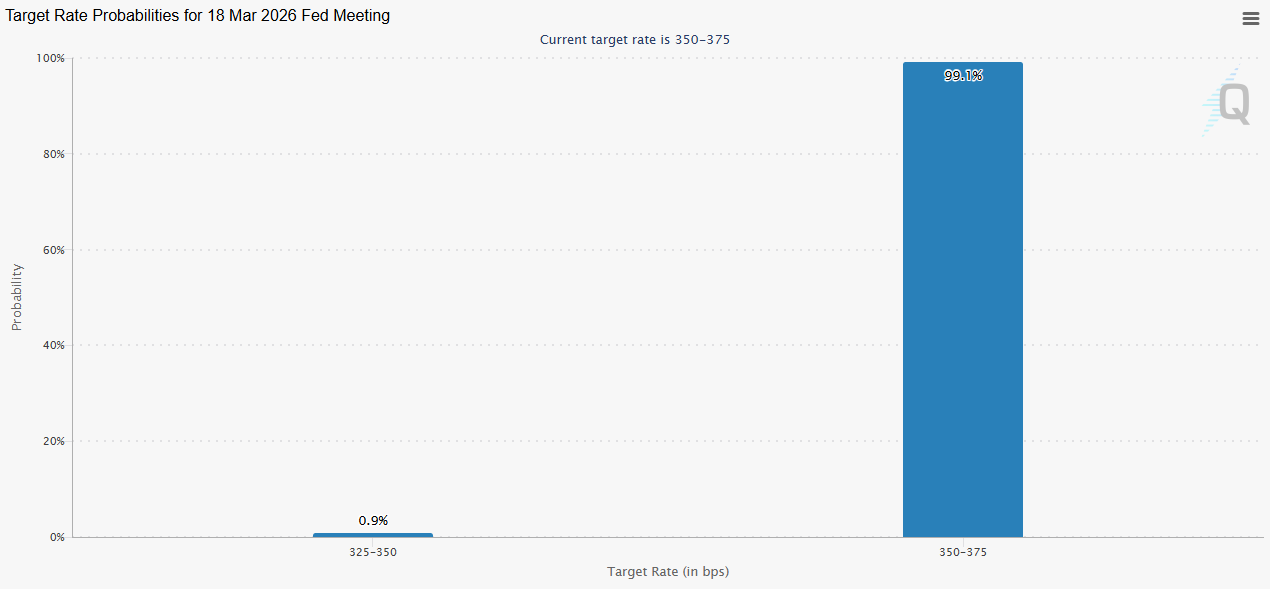
Interest rate differential (IRD) is likely to be a primary driver of US dollar strength, or otherwise, in the months ahead. The latest FOMC meeting delivered the expected 0.25% cut, with attention on guidance for what may come next.
Even after a softer-than-expected CPI print, markets have been reluctant to price aggressive near-term easing. At the time of writing, less than a 20% chance of a January cut is priced in, and it may be March before we see the next move.
The Fed is balancing sticky inflation against a jobs market under pressure, with the headline rate back at levels last seen in 2012. The practical takeaway is that a more accommodative stance may add to downward pressure on the US dollar.
Current expectations imply around two rate cuts through 2026, with the potential for further easing beyond that, broadly consistent with the median projections shown in the chart below. These are forecasts rather than guarantees, and they can shift as economic data and policy guidance evolve.
Source: US Federal Reserve, Summart of Economic Projections
Every trader has had that moment where a seemingly perfect trade goes astray.
You see a clean chart on the screen, showing a textbook candle pattern; it seems as though the market planets have aligned, and so you enthusiastically jump into your trade.
But before you even have time to indulge in a little self-praise at a job well done, the market does the opposite of what you expected, and your stop loss is triggered.
This common scenario, which we have all unfortunately experienced, raises the question: What separates these “almost” trades from the truly higher-probability setups?
The State of Alignment
A high-probability setup isn’t necessarily a single signal or chart pattern. It is the coming together of several factors in a way that can potentially increase the likelihood of a successful trade.
When combined, six interconnected layers can come together to form the full “anatomy” of a higher-probability trading setup:
Context
Structure
Confluence
Timing
Management
Psychology
When more of these factors are in place, the greater the (potential) probability your trade will behave as expected.
Market Context
When we explore market context, we are looking at the underlying background conditions that may help some trading ideas thrive, and contribute to others failing.
Regime Awareness
Every trading strategy you choose to create has a natural set of market circumstances that could be an optimum trading environment for that particular trading approach.
For example:
Trending regimes may favour momentum or breakout setups.
Ranging regimes may suit mean-reversion or bounce systems.
High-volatility regimes create opportunity but demand wider stops and quicker management.
Investing time considering the underlying market regime may help avoid the temptation to force a trending system into a sideways market.
Simply looking at the slope of a 50-period moving average or the width of a Bollinger Band can suggest what type of market is currently in play.
Sentiment Alignment
If risk sentiment shifts towards a specific (or a group) of related assets, the technical picture is more likely to change to match that.
For example, if the USD index is broadly strengthening as an underlying move, then looking for long trades in EURUSD setups may end up fighting headwinds.
Setting yourself some simple rules can help, as trading against a potential tidal wave of opposite price change in a related asset is not usually a strong foundation on which to base a trading decision.
Key Reference Zones
Context also means the location of the current price relative to levels or previous landmarks.
Some examples include:
Weekly highs/lows
Prior session ranges, e.g. the Asian high and low as we move into the European session
Major “round” psychological numbers (e.g., 1.10, 1000)
A long trading setup into these areas of market importance may result in an overhead resistance, or a short trade into a potential area of support may reduce the probability of a continuation of that price move before the trade even starts.
Market Structure
Structure is the visual rhythm of price that you may see on the chart. It involves the sequences of trader impulses and corrections that end up defining the overall direction and the likelihood of continuation:
Uptrend: Higher highs (HH) and higher lows (HL)
Downtrend: Lower highs (LH) and lower lows (LL)
Transition: Break in structure often followed by a retest of previous levels.
A pullback in an uptrend followed by renewed buying pressure over a previous price swing high point may well constitute a higher-probability buy than a random candle pattern in the middle of nowhere.
Compression and Expansion
Markets move through cycles of energy build-up and release. It is a reflection of the repositioning of asset holdings, subtle institutional accumulation, or a response to new information, and may all result in different, albeit temporary, broad price scenarios.
Compression: Evidenced by a tightening range, declining ATR, smaller candles, and so suggesting a period of indecision or exhaustion of a previous price move,
Expansion: Evidenced by a sudden breakout, larger candle bodies, and a volume spike, is suggestive of a move that is now underway.
A breakout that clears a liquidity zone often runs further, as ‘trapped’ traders may further fuel the move as they scramble to reposition.
A setup aligned with such liquidity flows may carry a higher probability than one trading directly into it.
Confluence
Confluence is the art of layering independent evidence to create a whole story. Think of it as a type of “market forensics” — each piece of confirmation evidence may offer a “better hand’ or further positive alignment for your idea.
There are three noteworthy types of confluence:
Technical Confluence – Multiple technical tools agree with your trading idea:
Moving average alignment (e.g., 20 EMA above 50 EMA) for a long trade
A Fibonacci retracement level is lining up with a previously identified support level.
Momentum is increasing on indicators such as the MACD.
Multi-Timeframe Confluence – Where a lower timeframe setup is consistent with a higher timeframe trend. If you have alignment of breakout evidence across multiple timeframes, any move will often be strengthened by different traders trading on different timeframes, all jumping into new trades together.
3. Volume Confluence – Any directional move, if supported by increasing volume, suggests higher levels of market participation. Whereas falling volume may be indicative of a lesser market enthusiasm for a particular price move.
Confluence is not about clutter on your chart. Adding indicators, e.g., three oscillators showing the same thing, may make your chart look like a work of art, but it offers little to your trading decision-making and may dilute action clarity.
Think of it this way: Confluence comes from having different dimensions of evidence and seeing them align. Price, time, momentum, and participation (which is evidenced by volume) can all contribute.
Timing & Execution
An alignment in context and structure can still fail to produce a desired outcome if your timing is not as it should be. Execution is where higher probability traders may separate themselves from hopeful ones.
Entry Timing
Confirmation: Wait for the candle to close beyond the structure or level. Avoid the temptation to try to jump in early on a premature breakout wick before the candle is mature.
Retests: If the price has retested and respected a breakout level, it may filter out some false breaks that we will often see.
Then act: Be patient for the setup to complete. Talking yourself out of a trade for the sake of just one more candle” confirmation may, over time, erode potential as you are repeatedly late into trades.
Session & Liquidity Windows
Markets breathe differently throughout the day as one session rolls into another. Each session's characteristics may suit different strategies.
For example:
London Open: Often has a volatility surge; Range breaks may work well.
New York Overlap: Often, we will see some continuation or reversal of morning trends.
Asian Session: A quieter session where mean-reversion or range trading approaches may do well
Trade Management
Managing the position well after entry can turn probability into realised profit, or if mismanaged, can result in losses compounding or giving back unrealised profit to the market.
Pre-defined Invalidation
Asking yourself before entry: “What would the market have to do to prove me wrong?” could be an approach worth trying.
This facilitates stops to be placed logically rather than emotionally. If a trade idea moves against your original thinking, based on a change to a state of unalignment, then considering exit would seem logical.
Scaling & Partial Exits
High-probability trade entries will still benefit from dynamic exit approaches that may involve partial position closes and adaptive trailing of your initial stop.
Trader Psychology
One of the most important and overlooked components of a higher-probability setup is you.
It is you who makes the choices to adopt these practices, and you who must battle the common trading “demons” of fear, impatience, and distorted expectation.
Let's be real, higher-probability trades are less common than many may lead you to believe.
Many traders destroy their potential to develop any trading edge by taking frequent low-probability setups out of a desire to be “in the market.”
It can take strength to be inactive for periods of time and exercise that patience for every box to be ticked in your plan before acting.
Measure “You” performance
Each trade you take becomes data and can provide invaluable feedback. You can only make a judgment of a planned strategy if you have followed it to the letter.
Discipline in execution can be your greatest ally or enemy in determining whether you ultimately achieve positive trading outcomes.
Bringing It All Together – The Setup Blueprint
Final Thoughts
Higher-probability setups are not found but are constructed methodically.
A trader who understands the “higher-probability anatomy” is less likely to chase trades or feel the need to always be in the market. They will see merit in ticking all the right boxes and then taking decisive action when it is time to do so.
It is now up to you to review what you have in place now, identify gaps that may exist, and commit to taking action!
One of the most impactful books I’ve ever read is “The 7 Habits of Highly Effective People: Powerful Lessons in Personal Change” by Stephen Covey.
When it was first published in 1989, it quickly became one of the most influential works in business and personal development literature, and retained its place on bestseller lists for the next couple of decades.
The compelling, comprehensive, and structured framework for personal growth presented in the book has undoubtedly inspired many to rethink how they organise their lives and priorities, both professionally and personally.
Although its lessons were originally designed for self-improvement and positive structured growth, the underlying principles are universal, making them easily transferable to many areas of life, including trading.
In this article, you will explore how each of Covey’s seven original habits can be reframed within a trading context, in an attempt to offer a structure that may help guide you to becoming the best trader you can be.
1. Be Proactive
Being proactive means recognising that we have the power to choose our responses and to shape outcomes through appropriate preparation with subsequent planned reactions.
In a Trading Context:
For traders, this means anticipating potential problems before they arise and putting measures in place to better mitigate risk.
Rather than waiting for issues to unfold, the proactive trader identifies potential areas of concern and ensures that they have access to the right tools, resources, and people to prepare effectively, whatever the market may throw at them.
What This Means for You:
Being proactive may involve seeking out quality education and services, maintaining access to accurate and timely market information, continually assessing risk and opportunity, and having systems to manage those risks within defined limits.
Consequences of Non-Action:
Inadequate preparation and a lack of defined systems often lead to poor trading decisions and less-than-desired outcomes.
Failing to assess risk properly can result in significant and often avoidable losses.
By contrast, a proactive approach builds resilience and confidence, ensuring that when challenges arise, your response is measured and less emotionally driven by what is happening on the screen in front of you.
2. Begin with the End in Mind
Covey's second habit is about defining purpose. It suggests that effective people are more likely to achieve what is possible if they start with a clear understanding of their destination, so every action aligns with that ultimate vision.
In a Trading Context:
Ask yourself: What is my true purpose for trading?
Many traders may instinctively answer “to make money,” but money is surely only a vehicle to achieve something else in your world for you and those you care about, not a purpose per se.
You need to clarify what trading success really means for you.
Is it a greater degree of financial independence through increased income or capital growth, the freedom of having more time, achieving a personal challenge of becoming an effective trader, or a combination of any of these?
What This Means to You:
Try framing your purpose as, “I must become a better trader so that I can…” and complete a list with your genuine reasons for tackling the market and its challenges.
This helps you establish meaningful short-term development goals that keep you moving toward your vision. Keep that purpose visible, as a note near your trading screen that reminds you why you are doing this.
Consequences of Non-Action:
Traders with a clearly defined purpose are more likely to stay disciplined and consistent.
Those without one often drift, chasing short-term gains without direction. There is ample evidence that formalising your development in whatever context through goal setting can significantly increase the likelihood of success. Why would trading be any different?
Surely the bottom-line question to ask yourself is, “Am I willing to risk my potential by trading without purpose?”
3. Put First Things First
This habit is about time management and prioritisation. This involves focusing your efforts and energy on what truly matters. As part of the exploration of this concept, Covey emphasised distinguishing between what is important and what is merely urgent.
In a Trading Context:
Trading demands commitment, learning, and reflection.
It is not just about screen time but about using that time effectively.
Managing activities to ensure your effort is spent wisely on planning, measuring, journaling and performance evaluation, and refining systems, accordingly, are all critical to sustaining both improvements in results and balance.
What This Means to You:
Traders often believe they need to spend more time trading when what they really need is to focus on better time allocation.
It is logical to suggest that prioritising activities that can often contribute directly to improvement, such as system testing, reviewing performance, analysing results, and refining your strategy, is worthwhile.
These high-value tasks can help traders focus their time more deliberately and systematically.
Consequences of Non-Action:
If you fail to control your trading time effectively, you will be more likely to spend much of it on low-impact activities that produce little progress.
Over time, this not only hurts your results but also reduces the real “hourly value” of your trading effort.
In business terms, and of course, you should be treating your trading as you would any business activity; poor prioritisation can inflate your costs and diminish your potential trading outcomes.
4. Think Win: Win
Covey's fourth habit encouraged an attitude of mutual benefit, where seeking solutions that facilitate positive outcomes for all parties.
In a Trading Context:
In trading, this concept must be adapted to suggest that developing a mindset that recognises every well-executed plan as a win, even when an individual trade results in a loss.
Some trading ideas will simply not work out, and so some losses are inevitable, but if they remain within defined limits, they should not be viewed as failures but rather as a successful adherence to a trading plan. In the aim of developing consistency in action, and the widely held belief that this is one of the cornerstones of effective trading, then it surely is a win to fulfil this.
So, in simple terms, the real “win” lies in a combination of maintaining discipline, following your system, and controlling risk beyond just looking at the P/L of a single trade.
What This Means to You:
Building and trading clear, unambiguous systems that you follow consistently has got to be the goal.
This process produces reliable data that you can later analyse and subsequently use to refine specific strategies and personal performance.
When you do this, every outcome, whether profit or loss, can serve as valuable feedback.
For example, a controlled loss that fits your plan is proof that your system works and that you are protecting your capital.
Alternatively, a trailing stop strategy, which means you exit trades in a timely way and give less profit back to the market, provides positive feedback that your system has merit in achieving outcomes.
Consequences of Non-Action:
Without this mindset shift, traders can become emotionally reactive, interpreting normal drawdowns as personal defeats.
This fosters loss aversion and other biases that can erode decision-making quality if left unchecked. Through the process of redefining “winning,” you are potentially safeguarding both your capital and, importantly, your trading confidence (a key component of trading discipline).
5. Seek First to Understand and Then Take Action
Covey's fifth habit emphasises empathy, the act of listening and aiming to fully understand before responding. In trading, this principle translates to understanding the market environment before taking any action.
In a Trading Context:
Many traders act impulsively, driven by excitement or fear, which often results in entering trades without taking into account the full context of what is happening in the market, and/or the potential short-term influences on sentiment that may increase risk.
This “minimalisation bias,” defined as acting on limited information, will rarely produce consistent results. Instead, adopt a process that begins with observation and comprehension.
What This Means to You:
Establishing a daily pre-trading routine is critical. This may include a review of key markets, sentiment indicators, and potential catalysts for change, such as imminent key data releases. Understanding what the market is telling you before you decide what to do is the aim of having this sort of daily agenda.
This approach may not only improve trade selection but also enable you to get into a state of psychological readiness that can facilitate decision-making quality throughout the session.
Consequences of Non-Action:
Failing to prepare for the trading day ahead can mean not only exposing yourself to unnecessary risk but also arguably being more likely to miss potential opportunities.
A trader who acts without understanding is vulnerable both psychologically and financially. Conversely, being forewarned is being forearmed. When you aim to understand markets first before any type of trading activity, your actions are more likely to be deliberate, grounded, and more effective.
6. Synergise
Synergy in Covey's model means valuing differences and combining the strengths of those around you to create outcomes greater than the sum of their parts.
In a Trading Context:
In trading, synergy refers to the integration of multiple systems and disciplines that work together. This includes your plan, your record keeping and performance management processes, your time management, and your emotional balance.
No single system is enough; success comes from the synergy of elements that support and inform one another.
What This Means to You:
Integrating learning and measurement is an integral part of your trading development process. Journaling, for example, allows you to assess not only your technical performance but also your behavioural consistency.
This self-awareness allows you to refine your plan and so helps you operate with greater confidence.
The synergy between rational analysis and emotional composure is what is more likely to lead to consistently sound trading decisions.
Consequences of Non-Action:
When logic and emotion are out of balance, decision-making will inevitably suffer.
If your systems are incomplete, ambiguous, or poorly connected to the reality of your current level of understanding, competence and confidence, your results are likely to be inconsistent. Building synergy across all areas of your trading practice, including that of evaluation and development in critical trading areas, will help create cohesion, efficiency, and better performance.
7. Sharpen the Saw
Covey's final habit focuses on continuous learning and refinement, including maintaining and improving the tools at your disposal and skills and knowledge that allow you to perform effectively.
In a Trading Context:
In trading, this translates to creating a plan to achieve ongoing, purposeful learning.
Even small insights can make a large difference in results. Effective traders continually refine their knowledge, ask new questions, and apply lessons from experience.
What This Means to You:
Trading learning can, of course, take many forms. Discovering new indicators that may offer some confluence to price action, testing different strategies, exploring new markets, or simply understanding more about yourself as a trader.
There is little doubt that active participation in learning keeps you engaged, adaptable and sharp. Even making sure you ask at least one question at a seminar or webinar or making a simple list at the end of each session of the "3 things I learned", can be invaluable in developing momentum for your growth as a trader.
Your record-keeping and performance metrics should generate fresh questions that can guide future development.
Consequences of Non-Action:
Without direction in your learning, your progress is likely to slow.
I often reference that when someone talks about trading experience in several years, this is only meaningful if there has been continuous growth, rather than staying in the same place every year (i.e. only one year of meaningful experience)
Passive trading learning, for example, reading an article without applying, watching a webinar without engagement, or measuring without closing the circle through putting an action plan together for your development, can all lead to stagnation.
It is fair to suggest that taking shortcuts in trading learning is likely to translate directly into shortcuts in result success.
Active, focused development is essential for sustained improvement.
Are You Ready for Action?
Stephen Covey’s The 7 Habits of Highly Effective People presented a timeless model for self-development and purposeful living.
When applied to trading, these same habits form a powerful framework for consistency, focus, and growth.
Trading is a pursuit that demands both technical skill and emotional strength. Success is rarely about finding the perfect system, but about developing the right habits that support consistent, rational decision-making over time.
By integrating the principles of Covey’s seven habits into your trading practice, you create a foundation not only for profitability but for continual personal growth.
Pasar bergerak ke minggu depan dengan data inflasi di Australia dan Jepang, di samping meningkatnya ketegangan geopolitik yang terus mempengaruhi harga energi dan sentimen risiko yang lebih luas.
Indeks Harga Konsumen Australia (IHK): Data inflasi dapat mempengaruhi Bank Cadangan Australia (RBA)) jalur kebijakan, dengan dolar Australia (AUD) dan imbal hasil lokal sensitif terhadap kejutan apa pun.
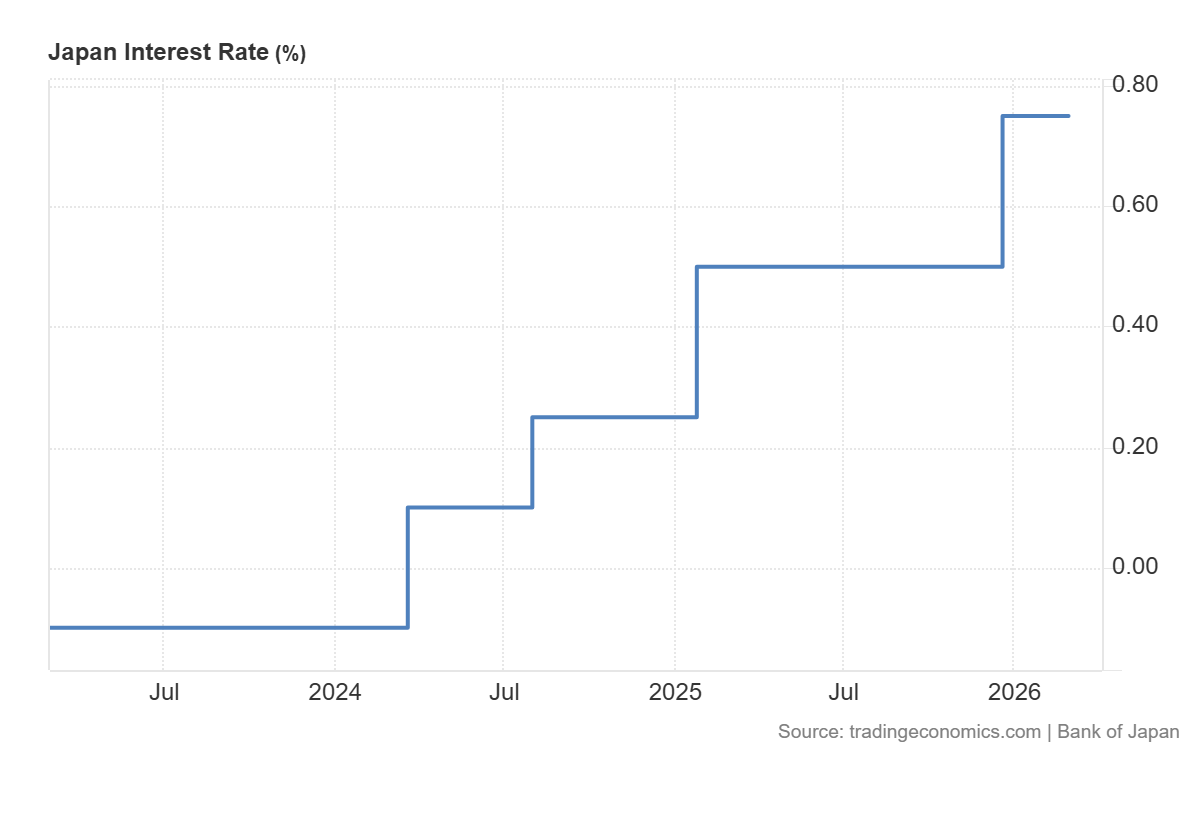
Cluster data Jepang: CPI Tokyo (awal) ditambah produksi industri dan penjualan ritel memberikan denyut inflasi dan aktivitas yang dapat membentuk ekspektasi normalisasi Bank of Japan (BoJ).
Zona Euro & Jerman CPI: Pembacaan inflasi kilat akan menguji narasi disinflasi dan mempengaruhi ekspektasi waktu pemotongan suku bunga ECB.
Minyak dan geopolitik: Minyak mentah Brent telah membukukan penutupan tertinggi sejak 8 Agustus 2025 di tengah ketegangan Timur Tengah yang diperbarui, memperkuat risiko inflasi yang didorong oleh energi.
CPI Australia: Ekspektasi RBA berubah?
Rilis IHK Australia yang akan datang akan diawasi ketat untuk sinyal apakah inflasi stabil atau terbukti lebih persisten dari yang diharapkan.
Pencetakan yang lebih kuat dari perkiraan dapat dikaitkan dengan hasil yang lebih tinggi dan AUD yang lebih kuat seiring dengan penyesuaian ekspektasi suku bunga. Hasil yang lebih lembut dapat mendukung harapan untuk sikap kebijakan yang lebih stabil.
Tanggal utama
Tingkat Inflasi (MoM): 11:30 pagi Rabu, 25 Februari (AEDT)
Rilis akhir pekan Jepang menggabungkan CPI Tokyo (awal) dengan produksi industri dan penjualan ritel, menawarkan pembacaan yang lebih luas tentang tekanan harga dan permintaan domestik.
CPI Tokyo sering dipandang sebagai sinyal tepat waktu untuk dinamika inflasi nasional dan debat BoJ. Output industri dan pengeluaran ritel menambah konteks aktivitas.
Kejutan di seluruh cluster ini dapat mendorong pergerakan tajam dalam JPY, terutama jika hasilnya mengubah persepsi seputar kecepatan dan persistensi normalisasi BoJ.
Tanggal utama
CPI Tokyo: 10:30 pagi Jumat, 27 Februari (AEDT)
Produksi Industri: 10:50 pagi Jumat, 27 Februari (AEDT)
Penjualan Eceran: 10:50 pagi Jumat, 27 Februari (AEDT)
Memantau
Sensitivitas JPY terhadap kejutan inflasi
Imbal hasil obligasi bergerak sebagai respons terhadap data aktivitas
Reaksi ekuitas jika ekspektasi momentum pertumbuhan bergeser
Aliran energi dan safe-haven
Harga minyak telah naik ke penutupan tertinggi sejak 8 Agustus 2025 di tengah ketegangan Timur Tengah yang baru.
Laporan terbaru tentang aktivitas militer regional yang meningkat dan berita utama risiko pengiriman di dekat Selat Hormuz telah memperkuat keamanan energi sebagai fokus pasar. Selat Hormuz tetap menjadi titik penghalang yang diawasi secara luas untuk aliran energi global.
Harga minyak yang lebih tinggi dapat memberi makan ekspektasi inflasi dan mempengaruhi imbal hasil obligasi. Pada saat yang sama, ketidakpastian geopolitik dapat mendukung USD melalui permintaan safe-haven dan posisi suku bunga relatif.
Memantau
Tingkat harga minyak mentah Brent
Kekuatan USD versus mata uang utama
Pergerakan imbal hasil seiring penyesuaian premi risiko inflasi
Pembacaan inflasi kilat dari Jerman dan zona euro yang lebih luas (HICP) akan menguji apakah tren disinflasi kawasan itu tetap utuh.
Rilis Jerman dapat mempengaruhi ekspektasi menjelang angka agregat zona euro. Jika inflasi inti terbukti lengket, ekspektasi seputar waktu dan laju pelonggaran potensial Bank Sentral Eropa dapat berubah.
Tanggal utama
Jerman - Tingkat Inflasi: 00:00 Sabtu, 28 Februari (AEDT)
Dari pengganggu teknologi hingga kontraktor pertahanan, beberapa perusahaan yang paling banyak dibicarakan di pasar memulai perjalanan publik mereka melalui penawaran umum perdana (IPO). Bagi pedagang, daftar publik awal ini dapat mewakili lingkungan perdagangan yang unik, tetapi juga periode ketidakpastian yang meningkat.
Fakta singkat
IPO adalah ketika perusahaan swasta mendaftarkan sahamnya di bursa saham publik untuk pertama kalinya.
IPO dapat menawarkan pedagang akses awal ke perusahaan dengan pertumbuhan tinggi, tetapi datang dengan volatilitas yang tinggi dan riwayat harga yang terbatas.
Setelah terdaftar, pedagang dapat memperoleh eksposur terhadap saham IPO melalui pembelian saham langsung atau derivatif seperti kontrak untuk perbedaan (CFD).
Apa yang dimaksud dengan penawaran umum perdana (IPO)?
IPO adalah ketika perusahaan menawarkan sahamnya kepada publik untuk pertama kalinya.
Sebelum melakukan IPO, saham di perusahaan biasanya hanya dipegang oleh pendiri, karyawan awal, dan investor swasta. Going public membuat saham tersedia untuk dibeli oleh siapa saja.
Tergantung pada ukuran perusahaan, biasanya akan mendaftarkan saham publiknya di bursa saham lokal (misalnya, ASX di Australia). Namun, beberapa perusahaan valuasi besar memilih untuk hanya mendaftar di bursa saham global, seperti Nasdaq, di mana pun kantor pusat utama mereka berada.
Bagi pedagang, IPO umumnya merupakan kesempatan pertama untuk mendapatkan eksposur terhadap saham perusahaan. Mereka dapat menciptakan lingkungan yang unik dengan peningkatan volatilitas dan likuiditas, tetapi juga membawa risiko tinggi, mengingat sejarah harga yang terbatas dan sensitivitas terhadap perubahan sentimen.
Mengapa perusahaan go public?
Penggerak terbesar untuk melakukan IPO adalah mengakses lebih banyak modal. Pencatatan di bursa publik berarti perusahaan dapat mengumpulkan dana yang signifikan dengan menjual saham.
Ini juga menyediakan likuiditas bagi pemegang saham yang ada. Pendiri, karyawan awal, dan investor swasta sering menjual sebagian dari kepemilikan mereka yang ada di pasar terbuka, menyadari pengembalian atas dukungan mereka selama bertahun-tahun.
Di luar manfaat moneter, go public berarti perusahaan dapat menggunakan saham mereka sebagai mata uang untuk akuisisi dan menawarkan kompensasi berbasis ekuitas untuk menarik bakat. Dan penilaian publik memberikan patokan transparan, yang berguna untuk penentuan posisi strategis dan penggalangan dana di masa depan.
Namun, itu datang dengan pertukaran. Perusahaan publik harus mematuhi kewajiban pengungkapan dan pelaporan yang berkelanjutan, dan tekanan dari pemegang saham publik dapat menjadi penghalang bagi kemajuan jangka panjang jika banyak yang berfokus pada kinerja jangka pendek.
Sementara spesifikasinya bervariasi menurut yurisdiksi, beralih dari perusahaan swasta ke listing publik umumnya melibatkan tahapan berikut:
1. Persiapan
Perusahaan pertama-tama memilih penjamin emisi (biasanya bank investasi) untuk mengelola penawaran. Bersama-sama, mereka menilai keuangan perusahaan, struktur perusahaan, dan posisi pasar untuk menentukan pendekatan terbaik untuk go public. Ini adalah tahap perencanaan yang berat untuk memastikan perusahaan benar-benar siap untuk go public.
2. Pendaftaran
Setelah semuanya disiapkan, penjamin emisi melakukan pemeriksaan uji tuntas menyeluruh dan kemudian mengajukan dokumen pengungkapan yang diperlukan kepada regulator terkait. Dokumen-dokumen ini memberikan pengungkapan rinci kepada regulator tentang perusahaan, manajemennya, dan penawaran yang diusulkan. Di Australia, ini biasanya merupakan prospektus yang diajukan ke ASIC; di AS, pernyataan pendaftaran diajukan ke SEC.
3. Roadshow
Eksekutif di perusahaan dan penjamin emisi kemudian akan mempresentasikan kasus investasi kepada investor institusi dan analis pasar dalam “roadshow”. Showcase ini dirancang untuk mengukur permintaan saham dan membantu menghasilkan minat. Investor institusional dapat mendaftarkan minat dan penilaian IPO mereka, yang membantu menginformasikan harga awal.
4. Harga
Berdasarkan umpan balik dari roadshow dan kondisi pasar saat ini, penjamin emisi menetapkan harga saham akhir dan menentukan jumlah saham yang akan diterbitkan. Saham dialokasikan di 'pasar primer' untuk investor yang berpartisipasi dalam penawaran (sebelum saham terdaftar secara publik di pasar sekunder). Proses ini menetapkan harga pra-pasar, yang secara efektif menentukan penilaian publik awal perusahaan.
5. Daftar
Pada hari pencatatan, saham perusahaan mulai diperdagangkan di bursa saham yang dipilih, secara resmi membuka pasar sekunder. Bagi sebagian besar pedagang, ini adalah titik pertama di mana mereka dapat memperdagangkan saham, baik secara langsung atau melalui derivatif seperti CFD Saham.
6. Pasca IPO
Setelah terdaftar, perusahaan menjadi tunduk pada persyaratan pelaporan dan pengungkapan yang ketat. Ini harus berkomunikasi secara teratur dengan pemegang saham, mempublikasikan hasil keuangannya, dan mematuhi standar tata kelola bursa tempat ia terdaftar.
Risiko dan manfaat IPO bagi pedagang
Bagaimana trader berpartisipasi dalam IPO?
Bagi sebagian besar pedagang, berpartisipasi dalam IPO datang setelah saham terdaftar dan mulai diperdagangkan di pasar sekunder.
Setelah saham ditayangkan di bursa, investor dapat membeli saham fisik secara langsung melalui broker atau pertukaran online, atau mereka dapat menggunakan derivatif seperti CFD Saham untuk mengambil posisi pada harga tanpa memiliki aset yang mendasarinya.
Beberapa hari pertama perdagangan IPO cenderung sangat fluktuatif. Pedagang harus memastikan mereka telah mengambil langkah-langkah manajemen risiko yang tepat untuk membantu melindungi terhadap potensi perubahan harga yang tajam.
Intinya
IPO menandai ketika perusahaan dapat diinvestasikan ke publik. Mereka dapat menawarkan akses awal ke perusahaan dengan pertumbuhan tinggi dan menciptakan lingkungan perdagangan unik yang didorong oleh peningkatan volatilitas dan minat pasar.
Bagi pedagang, memahami bagaimana proses bekerja, apa yang mendorong harga dan kinerja pasca-IPO, dan bagaimana menimbang potensi imbalan terhadap risiko perdagangan saham yang baru terdaftar sangat penting sebelum mengambil posisi.
2026 tidak memberi investor banyak ruang bernafas. Tampaknya pasar mungkin sebagian besar telah melewati gagasan bahwa penurunan suku bunga sudah dekat dan memasuki tahun di mana inflasi mungkin terbukti lebih sulit dikendalikan daripada yang diperkirakan banyak orang.
Inflasi barang telah meningkat, sementara inflasi jasa tetap relatif lengket karena tekanan biaya tenaga kerja yang sedang berlangsung. Biaya perumahan, terutama sewa, juga tetap menjadi sumber utama tekanan inflasi.
RBA berusaha untuk tetap kredibel terhadap inflasi tanpa mendorong ekonomi terlalu jauh ke arah lain.
Data kunci
CPI masih ada 3,8 persen (di atas target), upah masih naik sekitar 0,8 persen selama kuartal, dan pengangguran ada di sekitar 4,1 persen.
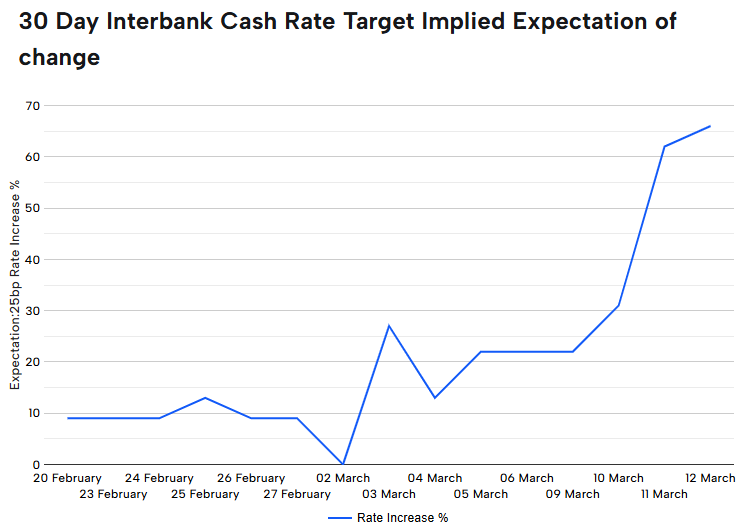
Berdasarkan harga yang tersirat di pasar, kenaikan suku bunga tidak diharapkan segera, sehingga cara RBA menjelaskan keputusannya dapat menjadi masalah hampir sama pentingnya dengan keputusan itu sendiri. Jika nada menggeser ekspektasi, ekspektasi tersebut dapat menggerakkan pasar.
Apa yang dicakup buku pedoman ini
Ini adalah pedoman untuk minggu-minggu berat RBA di tahun 2026. Ini mencakup apa yang harus diperhatikan di seluruh sektor, mencantumkan pemicu utama, dan menjelaskan indikator mana yang dapat mengubah sentimen.
1. Bank dan keuangan: bagaimana keputusan RBA mengalir ke pemberi pinjaman dan peminjam
Bank adalah tempat RBA muncul tercepat dalam ekonomi Australia. Suku bunga dapat memukul peminjam dengan cepat dan dimasukkan ke dalam biaya pendanaan dan sentimen.
Dalam fase yang lebih ketat, margin dapat meningkat pada awalnya, tetapi itu dapat berubah jika biaya pendanaan naik lebih cepat, atau jika kualitas kredit mulai melemah. Keseimbangan antara kekuatan-kekuatan itu adalah yang paling penting.
Jika bank naik ke minggu keputusan RBA, itu mungkin berarti pasar berpikir lebih tinggi untuk mendukung pendapatan yang lebih lama. Jika mereka menjual, itu mungkin berarti pasar berpikir lebih tinggi untuk lebih lama merugikan peminjam. Anda bisa mendapatkan dua bacaan berbeda dari judul yang sama.
Apa yang harus ditonton
Bentuk kurva hasil: Kurva yang lebih curam dapat membantu margin, sedangkan kurva terbalik dapat menandakan tekanan pertumbuhan.
Kompetisi deposit: Ini dapat dengan tenang menekan margin bahkan ketika tarif utama terlihat mendukung.
Kata-kata RBA tentang stabilitas keuangan, penyangga rumah tangga, dan ketahanan. Ungkapan kecil dapat menggeser cerita risiko.
Pemicu potensial
Jika RBA terdengar lebih hawkish dari yang diharapkan, bank mungkin bereaksi lebih awal karena pasar menilai kembali pertumbuhan dan ekspektasi risiko kredit. Langkah pertama terkadang dapat mengatur nada untuk sesi.
Risiko utama
Biaya pendanaan meningkat lebih cepat dari hasil pinjaman: Bisa menunjuk pada tekanan margin.
Pengetatan yang jelas dalam kondisi kredit: Meningkatnya tunggakan atau tekanan refinancing dapat mengubah narasi dengan cepat.
Keuangan adalah sektor terbesar dalam indeks S & P/ASX 200 S&P Global
2. Diskresioner konsumen dan ritel: di mana tingkat yang lebih tinggi mempengaruhi pengeluaran rumah tangga
Ketika kebijakan ketat, diskresioner konsumen menjadi ujian langsung ketahanan rumah tangga. Di sinilah biaya sehari-hari yang lebih tinggi sering muncul paling cepat.
Panggilan besar tentang konsumen dapat terlihat jelas sampai data berhenti mencadangkannya. Ketika itu terjadi, narasi dapat bergeser dengan cepat.
Apa yang harus ditonton
Upah versus inflasi: Pendapatan nyata mendorong atau menyeret.
Sinyal persalinan awal: Jam kerja bisa melunak sebelum pengangguran meningkat.
Pelaporan petunjuk musim: Diskon, biaya pass-through, dan tekanan margin dapat menunjukkan seberapa tertegang permintaan sebenarnya.
Pemicu potensial
Jika nada dari RBA lebih hawkish dari yang diharapkan, sektor ini mungkin sensitif terhadap ekspektasi suku bunga. Setiap pergerakan awal mungkin tidak bertahan, dan aksi harga selanjutnya dapat bergantung pada data dan posisi yang masuk
Risiko utama
Pergantian cepat di pasar tenaga kerja.
Guncangan biaya hidup baru, terutama energi atau perumahan, yang menghantam pengeluaran dengan cepat.
3. Sumber daya: apa yang harus diperhatikan ketika tarif, geopolitik, dan kebijakan bergeser
Sumber daya dapat bertindak sebagai bacaan tentang pertumbuhan global, tetapi pergerakan mata uang dan nada bank sentral dapat mengubah bagaimana cerita itu mendarat di Australia.
Pada tahun 2026, tarif dan geopolitik juga dapat menciptakan pergerakan utama yang lebih tajam dari biasanya, sehingga risiko kesenjangan dapat berada di atas siklus normal.
RBA masih penting melalui dua saluran: dolar Australia dan selera risiko secara keseluruhan. Keduanya dapat harga kembali sektor ini dengan cepat, bahkan ketika harga komoditas belum banyak bergerak.
Apa yang harus ditonton
Denyut nadi pertumbuhan global: Ekspektasi permintaan industri dan sinyal terkait China.
Dolar Australia: Langkah pasca-keputusan dapat menjadi pendorong kedua bagi sektor ini.
Kepemimpinan sektor: Bagaimana perdagangan sumber daya versus pasar yang lebih luas dapat menandakan rezim saat ini.
Pemicu potensial
Jika nada RBA berubah lebih ketat sementara pertumbuhan global tetap stabil, sumber daya mungkin bertahan lebih baik daripada bagian pasar lainnya. Arus kas yang kuat bisa lebih penting, dan sudut aset riil dapat menarik pembeli.
Risiko utama
Dalam peristiwa stres nyata, korelasi dapat melonjak, dan posisi defensif bisa gagal.
Jika kebijakan mengencang menjadi ketakutan pertumbuhan, siklus dapat mengambil alih, dan sektor ini dapat memudar dengan cepat.
Material (sumber daya) telah mengungguli sektor ASX lainnya YoY | Indeks Pasar
4. Pertahanan, bahan pokok, dan perawatan kesehatan berkualitas
Defensif dimaksudkan untuk menjadi sudut pasar yang lebih tenang ketika segala sesuatu terasa berantakan. Pada tahun 2026, mereka masih memiliki satu kelemahan besar: suku bunga diskon.
Pertahanan berkualitas dapat menarik arus masuk ketika pertumbuhan terlihat goyah, tetapi beberapa saham pertumbuhan defensif masih diperdagangkan seperti aset jangka panjang. Mereka dapat terkena ketika imbal hasil naik, bahkan jika bisnis terlihat solid. Itu berarti pendapatan mungkin stabil sementara valuasi masih bergerak.
Apa yang harus ditonton
Kekuatan relatif: Bagaimana kinerja pertahanan selama minggu-minggu RBA versus pasar yang lebih luas.
Bahasa bimbingan: Komentar tentang tekanan biaya, kekuatan harga, dan apakah volume bertahan.
Perilaku hasil: Meningkatnya hasil dapat mengalahkan tawaran berkualitas dan mendorong kelipatan ke bawah.
Pemicu potensial
Jika RBA terdengar seperti hawkish dan siklus mulai goyah, pertahanan dapat menarik arus masuk relatif, tetapi itu dapat bergantung pada hasil yang tetap terkendali. Jika imbal hasil meningkat tajam, pertahanan jangka panjang masih bisa menurunkan laju.
Risiko utama
Inflasi biaya yang menekan margin dan melemahkan cerita defensif.
Layanan kesehatan berkinerja buruk vs S&P/ASX 200 sejak akhir pandemi | Indeks Pasar
5. Aset keras, emas, dan ekuitas emas
Pada tahun 2026, aset keras mungkin kurang tentang kisah lindung nilai inflasi sederhana dan lebih banyak tentang risiko ekor dan ketidakpastian kebijakan.
Ketika kepercayaan melemah, aset keras sering mendapat lebih banyak perhatian. Mereka tidak didorong oleh satu faktor, dan emas masih bisa jatuh jika pendorong utama menentangnya.
Apa yang harus ditonton
Arah hasil nyata: Membentuk biaya peluang memegang emas.
Arah dolar AS: Saluran harga utama untuk emas.
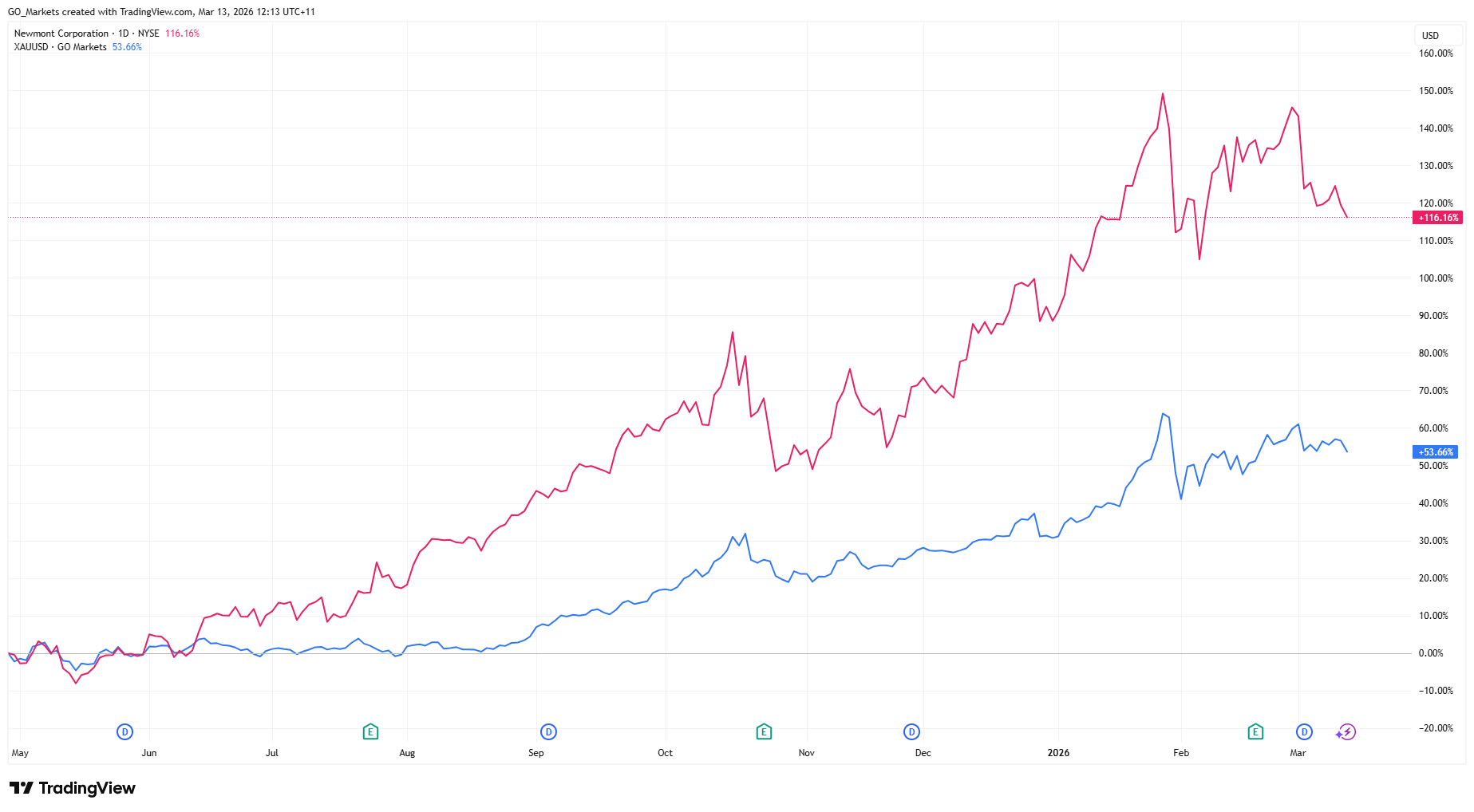
Ekuitas emas versus emas spot: Penambang menambahkan leverage operasi, dan mereka juga menambah risiko biaya.
Pemicu potensial
Jika pasar mulai mempertanyakan kontrol inflasi atau kredibilitas kebijakan, narasi aset keras dapat menguat. Jika RBA tetap membatasi sementara disinflasi berlanjut, emas dapat kehilangan urgensi, dan uang dapat berputar ke perdagangan lain.
Risiko utama
Imbal hasil riil meningkat secara signifikan, yang dapat menekan emas.
Kerumunan dan posisi melepas angin yang dapat menyebabkan kemunduran tajam.
Grafik S&P/ASX Semua Emas Biasa vs Emas Spot (XAUUSD) 5Y | TradingView
6. Pipa pasar, FX, volatilitas suku bunga, dan dispersi
Dalam beberapa minggu RBA, langkah pertama muncul dalam suku bunga dan dolar Australia, dan ekuitas mengikuti kemudian melalui rotasi sektor daripada pergerakan indeks bersih.
Ketika panduan bergeser, RBA dapat mengubah cara pasar bergerak bersama. Anda dapat berakhir dengan indeks datar sementara sektor berayun keras ke arah yang berlawanan.
Apa yang harus ditonton
Tarif front-end: Kecepatan harga ulang tepat setelah keputusan dapat mengungkapkan kejutan yang sebenarnya.
Reaksi AUD: Arah dan tindak lanjut sering membentuk langkah berikutnya dalam ekuitas dan sumber daya.
Volatilitas tersirat versus realisasi: Dapat menunjukkan apakah pasar membayar terlalu banyak atau terlalu sedikit untuk acara tersebut.
Opsi miring: Dapat mencerminkan permintaan untuk perlindungan penurunan versus pengejaran naik.
Perilaku rekaman awal: 5 hingga 15 menit pertama bisa berantakan dan bisa berarti mundur.
Pemicu potensial
Jika keputusan diharapkan tetapi pernyataannya condong ke arah hawkish, bagian depan mungkin dihargai ulang terlebih dahulu, dan AUD dapat bergerak bersamanya. Volatilitas yang direalisasikan masih bisa melonjak bahkan jika indeks hampir tidak bergerak, karena pasar menulis ulang jalur dan memutar posisi di bawah permukaan.
Risiko utama
Kejutan sejati yang membanjiri opsi apa yang tersirat dan menciptakan gerakan celah.
Judul makro yang bersaing yang mendominasi rekaman dan menenggelamkan sinyal RBA.
Likuiditas tipis yang menciptakan sinyal palsu, gesekan, dan eksekusi yang lebih buruk daripada yang diasumsikan model.
Suku bunga Australia dan volatilitas nilai tukar 1970-2020 | RBA
7. Keranjang tema
Keranjang tema dapat memungkinkan pedagang mengekspresikan rezim makro sambil mengurangi risiko nama tunggal. Mereka juga memperkenalkan risiko mereka sendiri, terutama di sekitar peristiwa.
Apa yang harus ditonton
Apa yang dimiliki keranjang: Metodologi, aturan keseimbangan ulang, konsentrasi tersembunyi.
Likuiditas dan spread: Terutama di sekitar jendela acara.
Pelacakan versus narasi: Apakah “tema” berperilaku seperti driver makro.
Pemicu potensial
Jika bahasa RBA memperkuat rezim “membatasi dan tidak pasti”, keranjang tema yang terkait dengan nilai, kualitas, atau aset keras dapat menarik perhatian, terutama jika indeks luas menjadi berombak.
Risiko utama
Pembalikan tema saat ekspektasi makro bergeser.
Risiko likuiditas di sekitar jendela peristiwa, di mana spread dapat melebar secara material.
Inti dari pedoman ini bukanlah untuk memprediksi judul yang tepat; ini untuk mengetahui di mana efek orde kedua biasanya mendarat, dan untuk menyiapkan daftar periksa singkat sebelum keputusan tiba.
Menjaga pemicu dan risiko ini dalam pandangan dapat membantu beberapa pedagang menyusun pemantauan mereka di sekitar keputusan RBA sepanjang tahun 2026.
pertanyaan umum
Mengapa “nada” sangat penting pada tahun 2026?
Karena pasar sering melakukan pra-harga keputusan. Informasi tambahan adalah panduan tentang apakah RBA terdengar nyaman, prihatin, atau terbuka untuk bergerak lagi.
Apa yang paling cepat diceritakan tepat setelah keputusan?
Beberapa pedagang melihat suku bunga front-end, AUD, dan kepemimpinan sektor sebagai indikator awal, tetapi sinyal ini dapat berisik dan dipengaruhi oleh posisi dan likuiditas.
Mengapa REIT disebut perdagangan durasi?
Karena sebagian besar penilaian mereka dapat sensitif terhadap suku bunga diskonto dan biaya pendanaan. Ketika imbal hasil bergerak, valuasi dapat dihargai kembali dengan cepat.
Apakah pertahanan selalu lebih aman di sekitar RBA?
Tidak selalu. Jika imbal hasil melonjak, pertahanan durasi panjang masih dapat dihargai lebih rendah bahkan dengan pendapatan yang stabil.
Mengapa aset keras terus muncul di narasi 2026?
Karena mereka dapat bertindak sebagai lindung nilai ketika kepercayaan pada kredibilitas kebijakan goyah, tetapi mereka juga membawa risiko kepadatan dan hasil nyata.