The Non-Farm Payrolls (NFP) is one of the most significant economic events data release of the month and is released on the first Friday by the U.S. Department of Labor. It is a comprehensive snapshot of the current state of US employment, and encompasses the total number of paid employees in the U.S. economy, excluding agricultural, government, private household, and nonprofit organization workers.
Both the numbers that form the report and data trends are of particular interest to central banks, (particularly of course the US Federal reserve), economists, market participants and policy makers, as well as having global interest due to the US position as a leader in the global economy. Key points of the NFP Data: Employment Change: The main figure in the NFP release is the alteration in the total non-farm payrolls compared to the previous month. This statistic indicates whether the U.S. economy is creating or losing jobs.
A positive number signifies job growth, while a negative value indicates job reduction. Unemployment Rate: The report includes the headline unemployment rate expressed as a percentage of the labour force actively seeking employment but unemployed. A lower unemployment rate usually is perceived as being positive for the economy.
Labor Force Participation Rate: This metric gauges the proportion of the working-age population either engaged in employment or actively seeking work. Fluctuations in this rate could signify shifts in people's willingness to partake in the labour market. Average Hourly Earnings: The NFP report includes insights into average hourly earnings, reflecting alterations in wage levels.
Escalating wages might signify robust consumer spending and potential inflationary pressures. Market Impact of NFP: The release of the Non-farm Payrolls data ranks among the most important economic events in the calendar, with often substantial implications in the financial markets across multiple asset classes. The market response to NFP release will be largely dependent on the consensus estimates of each of the numbers (with are theoretically priced into markets to some degree) against the actual numbers released, and how close this is to estimates.
A figure that is wide of the mark compared to expectations is likely to produce a more severe market response. Additionally of course, the current state of the economy may increase the significance and alter the response. For example, in an interest rate sensitive environment, where inflation may be higher than desired, a higher number, suggesting that employment markets are robust may give the green light to the Federal Reserve (the “fed”) to tighten rates, and so the market response will reflect that increased likelihood of Fed action.
Generally speaking, the impact and subsequent response will be felt across all asset classes including the following: Forex Market: Pairs involving the U.S. dollar (USD) frequently experience pronounced movements following the NFP data release. Solid job growth and a lower unemployment rate can bolster the USD, while subpar data might result in USD depreciation. Other risk-on currencies such as the AUD, CAD and NZD may fluctuate significantly dependent on whether the data is viewed positively or otherwise.
Stock Market: Favourable NFP data can elevate investor confidence in the economy's strength potentially leading to stock market optimism. Conversely, weaker than expected NFP figures might raise concerns about economic expansion, potentially triggering stock market selling. Obviously, the degree to which this will be the case may be dependent on the individual sector.
Bond Market: As previously discussed, strong job growth could raise anticipations of forthcoming interest rate hikes by the Federal Reserve to counter potential inflation, resulting in lower bond prices and higher yields. Conversely, weak job growth could provoke the opposite outcome. Commodity Market:.
A thriving job market might imply augmented consumer spending, potentially fostering demand for commodities such as copper and oil. Conversely, tepid job growth might be perceived as threatening commodity demand. Additionally, the inverse relationship between the USD and gold is likely to influence precious metals prices as the USD valuation alters.
However, it's essential to recognise that market response to data may often be unpredictable and so to try to pre-empt not only what the data may be, but also the market response to such, should be considered as high risk. Acknowledging that market reactions can be significant, it would seem prudent for traders (particularly those with a short-term approach) to have the date of future NFP releases in your diary, and take steps to account for the increased risks within your trading decision making. GO Markets offer regular LIVE sessions during key data releases from Australia and the US, where we observe the immediate market response as it happens across multiple related asset classes.
Check out our Education Hub for more information.
By
Mike Smith
Mike Smith (MSc, PGdipEd)
Client Education and Training
The information provided is of general nature only and does not take into account your personal objectives, financial situations or needs. Before acting on any information provided, you should consider whether the information is suitable for you and your personal circumstances and if necessary, seek appropriate professional advice. All opinions, conclusions, forecasts or recommendations are reasonably held at the time of compilation but are subject to change without notice. Past performance is not an indication of future performance. Go Markets Pty Ltd, ABN 85 081 864 039, AFSL 254963 is a CFD issuer, and trading carries significant risks and is not suitable for everyone. You do not own or have any interest in the rights to the underlying assets. You should consider the appropriateness by reviewing our TMD, FSG, PDS and other CFD legal documents to ensure you understand the risks before you invest in CFDs.
Volatilitas memiliki cara untuk muncul tanpa diundang.
Suatu hari ASX melayang diam-diam... dan berikutnya, persyaratan margin naik, stop tidak terisi di tempat yang diharapkan, dan portofolio terbuka dengan celah semalam yang tidak nyaman.
Jika Anda telah mencari jawaban, Anda tidak sendirian. Beberapa pertanyaan yang paling banyak dicari tentang volatilitas di kalangan pedagang Australia berhubungan dengan margin call, slippage, gap semalam, leverage exchange trading funds (ETF), dan alat seperti rata-rata true range (ATR).
Inilah yang terjadi.
Mengapa ini penting sekarang
Pasar global menjadi lebih sensitif terhadap suku bunga, data inflasi, geopolitik, dan arus yang digerakkan oleh teknologi. Ketika likuiditas menipis dan ketidakpastian meningkat, perubahan harga melebar. Itu adalah volatilitas.
Dan volatilitas tidak hanya mempengaruhi arah harga, tetapi juga mengubah cara perdagangan dieksekusi, berapa banyak modal yang dibutuhkan, dan bagaimana risiko berperilaku di bawah permukaan.
Terjemahan: Volatilitas bukan hanya tentang pergerakan yang lebih besar, melainkan tentang pergerakan yang lebih cepat dan likuiditas yang lebih tipis - saat itulah mekanisme perdagangan paling penting.
Mengapa broker saya meningkatkan persyaratan margin?
Salah satu pertanyaan yang paling dicari tentang volatilitas adalah mengapa persyaratan margin meningkat tanpa peringatan.
Ketika pasar menjadi tidak stabil, broker dapat meningkatkan persyaratan margin pada kontrak untuk perbedaan (CFD) dan produk leverage lainnya. Perubahan harga yang lebih besar dapat meningkatkan risiko akun bergerak ke ekuitas negatif sehingga meningkatkan persyaratan margin mengurangi leverage yang tersedia dan dapat membantu mengelola eksposur selama kondisi ekstrem.
Apa artinya ini dalam praktiknya
-Margin call dapat terjadi bahkan jika harga tidak bergerak secara signifikan. Leverage yang efektif dapat turun dengan cepat. Posisi mungkin perlu dikurangi dalam waktu singkat.
Penyesuaian margin biasanya merupakan respons terhadap perubahan risiko pasar, bukan keputusan acak. Di pasar yang sangat fluktuatif, adalah bijaksana untuk mengasumsikan pengaturan margin dapat berubah dengan cepat, oleh karena itu banyak pedagang memilih untuk meninjau ukuran posisi dan buffer yang tersedia mengingat risiko itu.
Apa itu slippage dan mengapa stop saya tidak terisi dengan harga saya?
Topik lain yang sering dicari adalah selip.
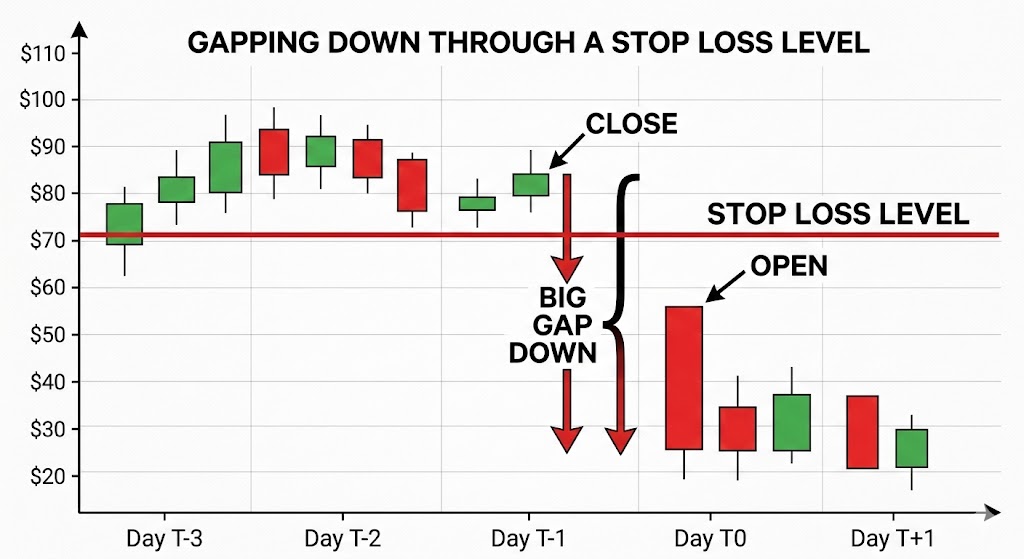
Slippage dapat terjadi ketika stop order memicu dan dieksekusi pada harga yang tersedia berikutnya, hasilnya dapat bergantung pada jenis order, likuiditas pasar dan kesenjangan. Di pasar yang tenang, perbedaannya mungkin kecil sedangkan di pasar cepat, harga bisa berada di luar level stop.
Ilustrasi kesenjangan harga melalui level stop-loss | Pasar GO
Pengemudi umum termasuk
-Rilis ekonomi atau pendapatan utama. -Likuiditas tipis. -Tingkat pemberhentian yang penuh sesak. -Sesi semalam.
Order stop-loss umumnya memprioritaskan eksekusi daripada kepastian harga dan selama periode volatilitas tinggi, perbedaan ini menjadi penting. Menyesuaikan ukuran posisi dan menempatkan stop dengan mengacu pada pergerakan harga yang khas mungkin lebih efektif daripada sekadar mengencangkan stop dalam kondisi yang tidak stabil.
Bagaimana cara mengelola gap semalam di ASX?
Australia berdagang sementara Amerika Serikat tidur, dan sebaliknya. Sayangnya, perbedaan zona waktu ini adalah salah satu alasan mengapa risiko celah semalam sering dicari oleh pedagang Australia. Jika pasar AS turun tajam, ASX dapat dibuka lebih rendah keesokan paginya, tanpa peluang untuk keluar antara penutupan dan pembukaan.
Contoh pendekatan manajemen risiko yang dapat digunakan pedagang pasar meliputi
-Indeks lindung nilai menggunakan ASX 200 futures atau CFD*. -Lindung nilai sebagian selama peristiwa berisiko tinggi. -Mengurangi eksposur menjelang pengumuman makro utama.
Lindung nilai dapat mengimbangi bagian dari pergerakan, tetapi memperkenalkan risiko dasar karena saham individu mungkin tidak bergerak sejalan dengan indeks yang lebih luas.
Tidak ada perlindungan yang sempurna, hanya pertukaran antara biaya, kompleksitas, dan pengurangan risiko.
*CFD adalah instrumen yang kompleks dan memiliki risiko tinggi kehilangan uang karena leverage.
Apa risiko utama ETF leverage atau terbalik di pasar yang tidak stabil?
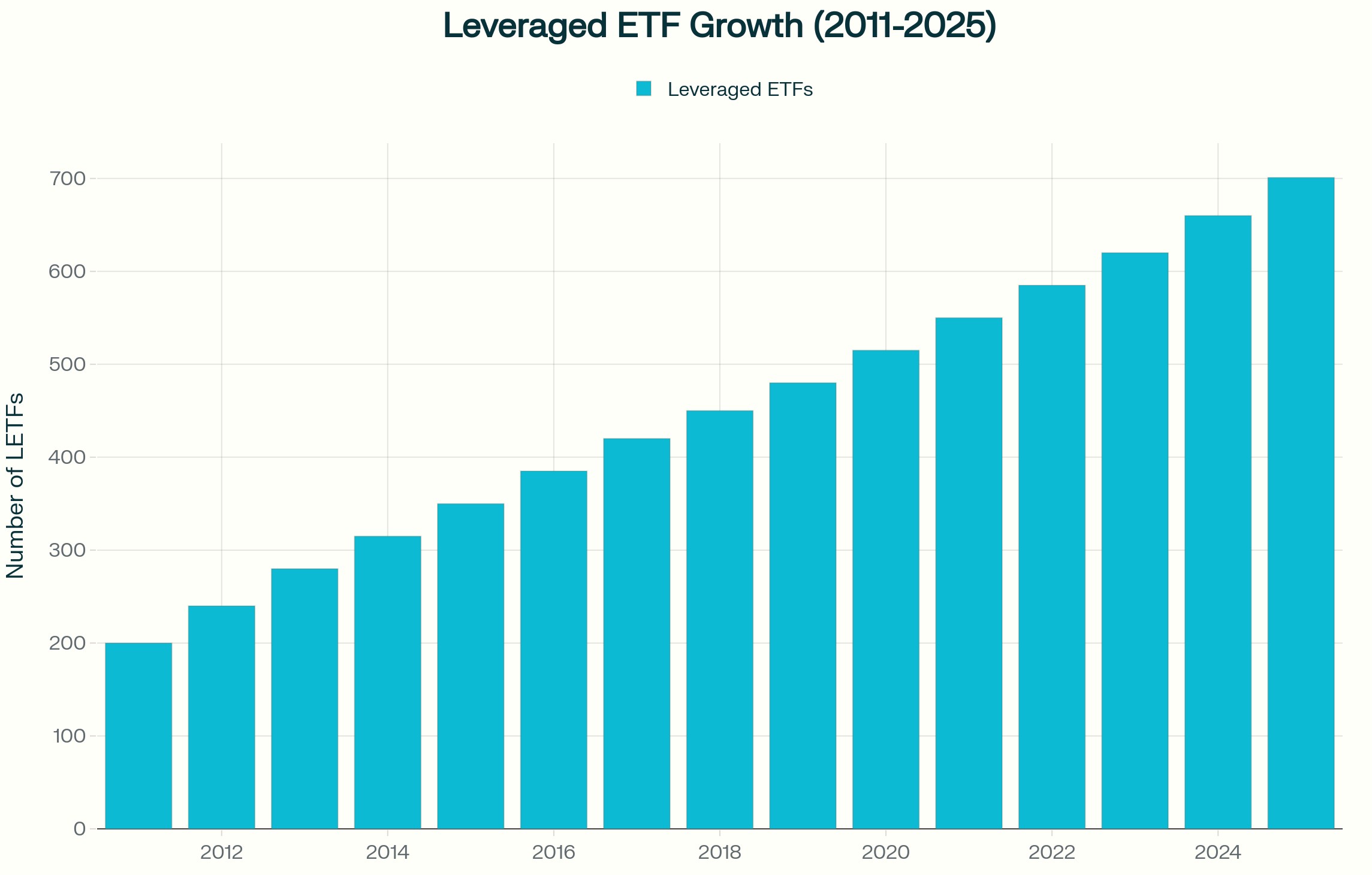
ETF leverage dan invers sering dicari selama periode volatilitas tinggi.
Meskipun produk-produk ini biasanya diatur ulang setiap hari, mereka bertujuan untuk memberikan kelipatan pengembalian harian indeks, bukan pengembalian jangka panjangnya. Di pasar yang bergejolak dan bergejolak, penggabungan harian dapat mengikis nilai bahkan jika indeks berakhir di dekat level awal.
Ini terjadi karena keuntungan dan kerugian bertambah secara asimetris. Penurunan 10 persen membutuhkan keuntungan lebih dari 10 persen untuk pulih. Ketika efek itu dikalikan setiap hari, hasil dapat menyimpang secara material dari indeks yang mendasarinya dari waktu ke waktu.
Instrumen tersebut dapat digunakan secara taktis oleh beberapa pelaku pasar. Mereka umumnya tidak dirancang sebagai alat lindung nilai jangka panjang dan memahami strukturnya sangat penting sebelum menggunakannya dalam strategi.
Bagaimana ATR dapat digunakan untuk menginformasikan penempatan berhenti?
Rata-rata true range (ATR) adalah indikator yang umum digunakan untuk mengukur volatilitas.
ATR memperkirakan berapa banyak aset biasanya bergerak selama periode tertentu, termasuk kesenjangan. Alih-alih menetapkan stop pada persentase sewenang-wenang, beberapa pedagang merujuk ATR dan menempatkan stop pada kelipatan, seperti dua atau tiga kali ATR, untuk mencerminkan kondisi yang berlaku.
Ketika volatilitas meningkat, ATR mengembang dan itu dapat menyiratkan stop yang lebih luas atau ukuran posisi yang lebih kecil jika risiko keseluruhan tetap konstan. Pergeseran adalah dari bertanya, “Seberapa jauh saya bersedia kalah?” untuk bertanya, “Apa langkah normal dalam kondisi saat ini?”
Pertimbangan praktis di pasar yang bergejolak
Selama periode volatilitas tinggi, pedagang dapat mempertimbangkan
Memungkinkan kemungkinan perubahan margin
Mengukur posisi secara konservatif jika volatilitas meningkat
Mengakui bahwa order stop-loss tidak menjamin harga keluar tertentu
Meninjau eksposur menjelang peristiwa ekonomi besar
Memahami mekanisme reset harian ETF leverage
Menggunakan ukuran volatilitas seperti ATR untuk menginformasikan penempatan berhenti
Mempertahankan buffer tunai yang memadai
Volatilitas tidak menghargai prediksi saja. Persiapan dan kesadaran risiko dapat membantu pedagang dalam memahami potensi risiko, tetapi hasilnya tetap tidak dapat diprediksi.
Pasar Australia menghadapi pertimbangan struktural spesifik yang dimapkan ke Pasar Asia dan AS. Risiko gap semalam dipengaruhi oleh jam perdagangan AS dan indeks sumber daya berat seperti ASX dapat merespons dengan cepat pergerakan harga komoditas dan data dari China. Eksposur mata uang, termasuk pergerakan AUD dan dolar AS (USD), dapat menambah lapisan variabilitas lainnya.
Volatilitas tidak seragam di seluruh wilayah. Ini berperilaku berbeda tergantung pada struktur pasar dan kedalaman likuiditas.
Pertanyaan yang sering diajukan tentang volatilitas
Apa yang menyebabkan lonjakan tiba-tiba dalam volatilitas pasar? Keputusan suku bunga, data inflasi, perkembangan geopolitik, kejutan pendapatan dan kendala likuiditas adalah pemicu umum.
Mengapa broker meningkatkan margin selama pasar yang bergejolak? Untuk mengurangi eksposur leverage dan mengelola risiko saat perubahan harga melebar.
Bisakah order stop-loss gagal selama volatilitas? Mereka dapat mengalami slippage jika pasar berada di luar level stop, yang berarti eksekusi dapat terjadi pada harga yang lebih buruk dari yang diharapkan. Di pasar cepat atau tidak likuid, perbedaan ini bisa signifikan.
Apakah ETF leverage cocok untuk lindung nilai jangka panjang? Mereka umumnya terstruktur untuk eksposur jangka pendek karena reset harian. Apakah mereka sesuai tergantung pada tujuan Anda, situasi keuangan, dan toleransi risiko.
Bagaimana volatilitas dapat diukur sebelum melakukan perdagangan? Alat seperti ATR, indikator volatilitas tersirat dan analisis rentang historis dapat membantu mengukur kondisi yang berlaku.
Peringatan risiko: Periode volatilitas tinggi dapat menyebabkan pergerakan harga yang cepat, perubahan margin dan eksekusi pada harga yang berbeda dari yang diharapkan. Alat manajemen risiko seperti stop-loss order dan indikator volatilitas dapat membantu dalam menilai kondisi pasar tetapi tidak dapat menghilangkan risiko kerugian, terutama ketika menggunakan produk leverage.
Every trader has had that moment where a seemingly perfect trade goes astray.
You see a clean chart on the screen, showing a textbook candle pattern; it seems as though the market planets have aligned, and so you enthusiastically jump into your trade.
But before you even have time to indulge in a little self-praise at a job well done, the market does the opposite of what you expected, and your stop loss is triggered.
This common scenario, which we have all unfortunately experienced, raises the question: What separates these “almost” trades from the truly higher-probability setups?
The State of Alignment
A high-probability setup isn’t necessarily a single signal or chart pattern. It is the coming together of several factors in a way that can potentially increase the likelihood of a successful trade.
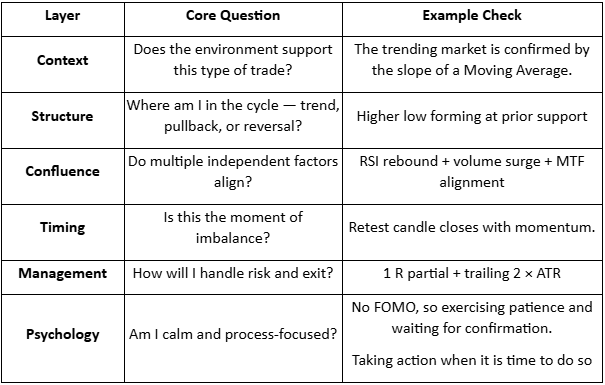
When combined, six interconnected layers can come together to form the full “anatomy” of a higher-probability trading setup:
Context
Structure
Confluence
Timing
Management
Psychology
When more of these factors are in place, the greater the (potential) probability your trade will behave as expected.
Market Context
When we explore market context, we are looking at the underlying background conditions that may help some trading ideas thrive, and contribute to others failing.
Regime Awareness
Every trading strategy you choose to create has a natural set of market circumstances that could be an optimum trading environment for that particular trading approach.
For example:
Trending regimes may favour momentum or breakout setups.
Ranging regimes may suit mean-reversion or bounce systems.
High-volatility regimes create opportunity but demand wider stops and quicker management.
Investing time considering the underlying market regime may help avoid the temptation to force a trending system into a sideways market.
Simply looking at the slope of a 50-period moving average or the width of a Bollinger Band can suggest what type of market is currently in play.
Sentiment Alignment
If risk sentiment shifts towards a specific (or a group) of related assets, the technical picture is more likely to change to match that.
For example, if the USD index is broadly strengthening as an underlying move, then looking for long trades in EURUSD setups may end up fighting headwinds.
Setting yourself some simple rules can help, as trading against a potential tidal wave of opposite price change in a related asset is not usually a strong foundation on which to base a trading decision.
Key Reference Zones
Context also means the location of the current price relative to levels or previous landmarks.
Some examples include:
Weekly highs/lows
Prior session ranges, e.g. the Asian high and low as we move into the European session
Major “round” psychological numbers (e.g., 1.10, 1000)
A long trading setup into these areas of market importance may result in an overhead resistance, or a short trade into a potential area of support may reduce the probability of a continuation of that price move before the trade even starts.
Market Structure
Structure is the visual rhythm of price that you may see on the chart. It involves the sequences of trader impulses and corrections that end up defining the overall direction and the likelihood of continuation:
Uptrend: Higher highs (HH) and higher lows (HL)
Downtrend: Lower highs (LH) and lower lows (LL)
Transition: Break in structure often followed by a retest of previous levels.
A pullback in an uptrend followed by renewed buying pressure over a previous price swing high point may well constitute a higher-probability buy than a random candle pattern in the middle of nowhere.
Compression and Expansion
Markets move through cycles of energy build-up and release. It is a reflection of the repositioning of asset holdings, subtle institutional accumulation, or a response to new information, and may all result in different, albeit temporary, broad price scenarios.
Compression: Evidenced by a tightening range, declining ATR, smaller candles, and so suggesting a period of indecision or exhaustion of a previous price move,
Expansion: Evidenced by a sudden breakout, larger candle bodies, and a volume spike, is suggestive of a move that is now underway.
A breakout that clears a liquidity zone often runs further, as ‘trapped’ traders may further fuel the move as they scramble to reposition.
A setup aligned with such liquidity flows may carry a higher probability than one trading directly into it.
Confluence
Confluence is the art of layering independent evidence to create a whole story. Think of it as a type of “market forensics” — each piece of confirmation evidence may offer a “better hand’ or further positive alignment for your idea.
There are three noteworthy types of confluence:
Technical Confluence – Multiple technical tools agree with your trading idea:
Moving average alignment (e.g., 20 EMA above 50 EMA) for a long trade
A Fibonacci retracement level is lining up with a previously identified support level.
Momentum is increasing on indicators such as the MACD.
Multi-Timeframe Confluence – Where a lower timeframe setup is consistent with a higher timeframe trend. If you have alignment of breakout evidence across multiple timeframes, any move will often be strengthened by different traders trading on different timeframes, all jumping into new trades together.
3. Volume Confluence – Any directional move, if supported by increasing volume, suggests higher levels of market participation. Whereas falling volume may be indicative of a lesser market enthusiasm for a particular price move.
Confluence is not about clutter on your chart. Adding indicators, e.g., three oscillators showing the same thing, may make your chart look like a work of art, but it offers little to your trading decision-making and may dilute action clarity.
Think of it this way: Confluence comes from having different dimensions of evidence and seeing them align. Price, time, momentum, and participation (which is evidenced by volume) can all contribute.
Timing & Execution
An alignment in context and structure can still fail to produce a desired outcome if your timing is not as it should be. Execution is where higher probability traders may separate themselves from hopeful ones.
Entry Timing
Confirmation: Wait for the candle to close beyond the structure or level. Avoid the temptation to try to jump in early on a premature breakout wick before the candle is mature.
Retests: If the price has retested and respected a breakout level, it may filter out some false breaks that we will often see.
Then act: Be patient for the setup to complete. Talking yourself out of a trade for the sake of just one more candle” confirmation may, over time, erode potential as you are repeatedly late into trades.
Session & Liquidity Windows
Markets breathe differently throughout the day as one session rolls into another. Each session's characteristics may suit different strategies.
For example:
London Open: Often has a volatility surge; Range breaks may work well.
New York Overlap: Often, we will see some continuation or reversal of morning trends.
Asian Session: A quieter session where mean-reversion or range trading approaches may do well
Trade Management
Managing the position well after entry can turn probability into realised profit, or if mismanaged, can result in losses compounding or giving back unrealised profit to the market.
Pre-defined Invalidation
Asking yourself before entry: “What would the market have to do to prove me wrong?” could be an approach worth trying.
This facilitates stops to be placed logically rather than emotionally. If a trade idea moves against your original thinking, based on a change to a state of unalignment, then considering exit would seem logical.
Scaling & Partial Exits
High-probability trade entries will still benefit from dynamic exit approaches that may involve partial position closes and adaptive trailing of your initial stop.
Trader Psychology
One of the most important and overlooked components of a higher-probability setup is you.
It is you who makes the choices to adopt these practices, and you who must battle the common trading “demons” of fear, impatience, and distorted expectation.
Let's be real, higher-probability trades are less common than many may lead you to believe.
Many traders destroy their potential to develop any trading edge by taking frequent low-probability setups out of a desire to be “in the market.”
It can take strength to be inactive for periods of time and exercise that patience for every box to be ticked in your plan before acting.
Measure “You” performance
Each trade you take becomes data and can provide invaluable feedback. You can only make a judgment of a planned strategy if you have followed it to the letter.
Discipline in execution can be your greatest ally or enemy in determining whether you ultimately achieve positive trading outcomes.
Bringing It All Together – The Setup Blueprint
Final Thoughts
Higher-probability setups are not found but are constructed methodically.
A trader who understands the “higher-probability anatomy” is less likely to chase trades or feel the need to always be in the market. They will see merit in ticking all the right boxes and then taking decisive action when it is time to do so.
It is now up to you to review what you have in place now, identify gaps that may exist, and commit to taking action!
One of the most impactful books I’ve ever read is “The 7 Habits of Highly Effective People: Powerful Lessons in Personal Change” by Stephen Covey.
When it was first published in 1989, it quickly became one of the most influential works in business and personal development literature, and retained its place on bestseller lists for the next couple of decades.
The compelling, comprehensive, and structured framework for personal growth presented in the book has undoubtedly inspired many to rethink how they organise their lives and priorities, both professionally and personally.
Although its lessons were originally designed for self-improvement and positive structured growth, the underlying principles are universal, making them easily transferable to many areas of life, including trading.
In this article, you will explore how each of Covey’s seven original habits can be reframed within a trading context, in an attempt to offer a structure that may help guide you to becoming the best trader you can be.
1. Be Proactive
Being proactive means recognising that we have the power to choose our responses and to shape outcomes through appropriate preparation with subsequent planned reactions.
In a Trading Context:
For traders, this means anticipating potential problems before they arise and putting measures in place to better mitigate risk.
Rather than waiting for issues to unfold, the proactive trader identifies potential areas of concern and ensures that they have access to the right tools, resources, and people to prepare effectively, whatever the market may throw at them.
What This Means for You:
Being proactive may involve seeking out quality education and services, maintaining access to accurate and timely market information, continually assessing risk and opportunity, and having systems to manage those risks within defined limits.
Consequences of Non-Action:
Inadequate preparation and a lack of defined systems often lead to poor trading decisions and less-than-desired outcomes.
Failing to assess risk properly can result in significant and often avoidable losses.
By contrast, a proactive approach builds resilience and confidence, ensuring that when challenges arise, your response is measured and less emotionally driven by what is happening on the screen in front of you.
2. Begin with the End in Mind
Covey's second habit is about defining purpose. It suggests that effective people are more likely to achieve what is possible if they start with a clear understanding of their destination, so every action aligns with that ultimate vision.
In a Trading Context:
Ask yourself: What is my true purpose for trading?
Many traders may instinctively answer “to make money,” but money is surely only a vehicle to achieve something else in your world for you and those you care about, not a purpose per se.
You need to clarify what trading success really means for you.
Is it a greater degree of financial independence through increased income or capital growth, the freedom of having more time, achieving a personal challenge of becoming an effective trader, or a combination of any of these?
What This Means to You:
Try framing your purpose as, “I must become a better trader so that I can…” and complete a list with your genuine reasons for tackling the market and its challenges.
This helps you establish meaningful short-term development goals that keep you moving toward your vision. Keep that purpose visible, as a note near your trading screen that reminds you why you are doing this.
Consequences of Non-Action:
Traders with a clearly defined purpose are more likely to stay disciplined and consistent.
Those without one often drift, chasing short-term gains without direction. There is ample evidence that formalising your development in whatever context through goal setting can significantly increase the likelihood of success. Why would trading be any different?
Surely the bottom-line question to ask yourself is, “Am I willing to risk my potential by trading without purpose?”
3. Put First Things First
This habit is about time management and prioritisation. This involves focusing your efforts and energy on what truly matters. As part of the exploration of this concept, Covey emphasised distinguishing between what is important and what is merely urgent.
In a Trading Context:
Trading demands commitment, learning, and reflection.
It is not just about screen time but about using that time effectively.
Managing activities to ensure your effort is spent wisely on planning, measuring, journaling and performance evaluation, and refining systems, accordingly, are all critical to sustaining both improvements in results and balance.
What This Means to You:
Traders often believe they need to spend more time trading when what they really need is to focus on better time allocation.
It is logical to suggest that prioritising activities that can often contribute directly to improvement, such as system testing, reviewing performance, analysing results, and refining your strategy, is worthwhile.
These high-value tasks can help traders focus their time more deliberately and systematically.
Consequences of Non-Action:
If you fail to control your trading time effectively, you will be more likely to spend much of it on low-impact activities that produce little progress.
Over time, this not only hurts your results but also reduces the real “hourly value” of your trading effort.
In business terms, and of course, you should be treating your trading as you would any business activity; poor prioritisation can inflate your costs and diminish your potential trading outcomes.
4. Think Win: Win
Covey's fourth habit encouraged an attitude of mutual benefit, where seeking solutions that facilitate positive outcomes for all parties.
In a Trading Context:
In trading, this concept must be adapted to suggest that developing a mindset that recognises every well-executed plan as a win, even when an individual trade results in a loss.
Some trading ideas will simply not work out, and so some losses are inevitable, but if they remain within defined limits, they should not be viewed as failures but rather as a successful adherence to a trading plan. In the aim of developing consistency in action, and the widely held belief that this is one of the cornerstones of effective trading, then it surely is a win to fulfil this.
So, in simple terms, the real “win” lies in a combination of maintaining discipline, following your system, and controlling risk beyond just looking at the P/L of a single trade.
What This Means to You:
Building and trading clear, unambiguous systems that you follow consistently has got to be the goal.
This process produces reliable data that you can later analyse and subsequently use to refine specific strategies and personal performance.
When you do this, every outcome, whether profit or loss, can serve as valuable feedback.
For example, a controlled loss that fits your plan is proof that your system works and that you are protecting your capital.
Alternatively, a trailing stop strategy, which means you exit trades in a timely way and give less profit back to the market, provides positive feedback that your system has merit in achieving outcomes.
Consequences of Non-Action:
Without this mindset shift, traders can become emotionally reactive, interpreting normal drawdowns as personal defeats.
This fosters loss aversion and other biases that can erode decision-making quality if left unchecked. Through the process of redefining “winning,” you are potentially safeguarding both your capital and, importantly, your trading confidence (a key component of trading discipline).
5. Seek First to Understand and Then Take Action
Covey's fifth habit emphasises empathy, the act of listening and aiming to fully understand before responding. In trading, this principle translates to understanding the market environment before taking any action.
In a Trading Context:
Many traders act impulsively, driven by excitement or fear, which often results in entering trades without taking into account the full context of what is happening in the market, and/or the potential short-term influences on sentiment that may increase risk.
This “minimalisation bias,” defined as acting on limited information, will rarely produce consistent results. Instead, adopt a process that begins with observation and comprehension.
What This Means to You:
Establishing a daily pre-trading routine is critical. This may include a review of key markets, sentiment indicators, and potential catalysts for change, such as imminent key data releases. Understanding what the market is telling you before you decide what to do is the aim of having this sort of daily agenda.
This approach may not only improve trade selection but also enable you to get into a state of psychological readiness that can facilitate decision-making quality throughout the session.
Consequences of Non-Action:
Failing to prepare for the trading day ahead can mean not only exposing yourself to unnecessary risk but also arguably being more likely to miss potential opportunities.
A trader who acts without understanding is vulnerable both psychologically and financially. Conversely, being forewarned is being forearmed. When you aim to understand markets first before any type of trading activity, your actions are more likely to be deliberate, grounded, and more effective.
6. Synergise
Synergy in Covey's model means valuing differences and combining the strengths of those around you to create outcomes greater than the sum of their parts.
In a Trading Context:
In trading, synergy refers to the integration of multiple systems and disciplines that work together. This includes your plan, your record keeping and performance management processes, your time management, and your emotional balance.
No single system is enough; success comes from the synergy of elements that support and inform one another.
What This Means to You:
Integrating learning and measurement is an integral part of your trading development process. Journaling, for example, allows you to assess not only your technical performance but also your behavioural consistency.
This self-awareness allows you to refine your plan and so helps you operate with greater confidence.
The synergy between rational analysis and emotional composure is what is more likely to lead to consistently sound trading decisions.
Consequences of Non-Action:
When logic and emotion are out of balance, decision-making will inevitably suffer.
If your systems are incomplete, ambiguous, or poorly connected to the reality of your current level of understanding, competence and confidence, your results are likely to be inconsistent. Building synergy across all areas of your trading practice, including that of evaluation and development in critical trading areas, will help create cohesion, efficiency, and better performance.
7. Sharpen the Saw
Covey's final habit focuses on continuous learning and refinement, including maintaining and improving the tools at your disposal and skills and knowledge that allow you to perform effectively.
In a Trading Context:
In trading, this translates to creating a plan to achieve ongoing, purposeful learning.
Even small insights can make a large difference in results. Effective traders continually refine their knowledge, ask new questions, and apply lessons from experience.
What This Means to You:
Trading learning can, of course, take many forms. Discovering new indicators that may offer some confluence to price action, testing different strategies, exploring new markets, or simply understanding more about yourself as a trader.
There is little doubt that active participation in learning keeps you engaged, adaptable and sharp. Even making sure you ask at least one question at a seminar or webinar or making a simple list at the end of each session of the "3 things I learned", can be invaluable in developing momentum for your growth as a trader.
Your record-keeping and performance metrics should generate fresh questions that can guide future development.
Consequences of Non-Action:
Without direction in your learning, your progress is likely to slow.
I often reference that when someone talks about trading experience in several years, this is only meaningful if there has been continuous growth, rather than staying in the same place every year (i.e. only one year of meaningful experience)
Passive trading learning, for example, reading an article without applying, watching a webinar without engagement, or measuring without closing the circle through putting an action plan together for your development, can all lead to stagnation.
It is fair to suggest that taking shortcuts in trading learning is likely to translate directly into shortcuts in result success.
Active, focused development is essential for sustained improvement.
Are You Ready for Action?
Stephen Covey’s The 7 Habits of Highly Effective People presented a timeless model for self-development and purposeful living.
When applied to trading, these same habits form a powerful framework for consistency, focus, and growth.
Trading is a pursuit that demands both technical skill and emotional strength. Success is rarely about finding the perfect system, but about developing the right habits that support consistent, rational decision-making over time.
By integrating the principles of Covey’s seven habits into your trading practice, you create a foundation not only for profitability but for continual personal growth.
Saham pertahanan ASX kembali ke daftar pantauan dan menurut Stockholm International Peace Research Institute (SIPRI), pengeluaran militer global mencapai sekitar US$2,718 triliun pada 2024, naik 9,4% secara riil.
Pengaturan pertahanan Australia saat ini ditetapkan dalam Strategi Pertahanan Nasional 2024 dan dokumen perencanaan investasi terkait, yang menguraikan prioritas pendanaan kemampuan jangka panjang. Selain itu, Canberra telah menunjuk investasi kemampuan A$330 miliar hingga 2034, termasuk dana tambahan untuk kombatan permukaan, kesiapsiagaan, serangan jarak jauh dan sistem otonom.
Inilah bagian yang kebanyakan orang lewatkan: tidak semua saham pertahanan ASX adalah perdagangan yang sama. Beberapa duduk dekat dengan pembuatan kapal angkatan laut. Beberapa adalah nama kontra-drone dan beberapa adalah operator yang lebih kecil dan berisiko lebih tinggi di mana satu kontrak mungkin jauh lebih penting daripada yang diasumsikan pasar.
Kelima nama ini bukan daftar beli, melainkan daftar pantauan praktis bagi investor yang mencoba memahami di mana momentum pengadaan sebenarnya muncul di ASX.
1) Australia (ASX: ASB)
Austal adalah salah satu perusahaan yang terdaftar di ASX yang paling langsung terkena pipa pembuatan kapal angkatan laut Australia, meskipun pelaksanaan kontrak, margin, dan waktu pengiriman tetap menjadi variabel penting.
Mereka tidak hanya memenangkan kontrak acak; mereka telah menandatangani perjanjian hukum besar-besaran (Perjanjian Pembuatan Kapal Strategis) yang menjadikan mereka mitra resmi untuk membangun generasi berikutnya kapal militer menengah Australia di Australia Barat.
Pada Februari 2026, pemerintah memberi Austal lampu hijau pada proyek senilai $4 miliar. Ini bukan hanya untuk satu kapal, ini untuk 8 kapal “Landing Craft Heavy”. Ini adalah kapal pengangkut besar (panjang sekitar 100 meter) yang dirancang untuk membawa tank berat dan peralatan langsung ke pantai. Tapi inilah bagian yang kebanyakan orang lewatkan, pembuatan kapal adalah maraton, bukan sprint.
Seperti yang Anda lihat di garis waktu pengiriman, sementara konstruksi dimulai pada tahun 2026, kapal terakhir tidak akan dikirim sampai 2038. Bagi seorang investor, ini berarti Austal memiliki aliran pendapatan “terjamin” selama 12 tahun ke depan, tetapi mereka harus sangat pandai mengelola biaya mereka selama periode yang lama untuk benar-benar menghasilkan keuntungan.
2) DroneShield (ASX: DRO)
Jika Anda telah melihat rekaman drone kecil yang mengganggu medan perang modern, DroneShield sedang membangun bagian dari “sakelar mati”. Fokusnya adalah teknologi kontra-drone, termasuk sistem yang mendeteksi, mengganggu atau mengalahkan drone menggunakan perang elektronik, sensor, dan alat yang dipimpin perangkat lunak, daripada hanya mengandalkan amunisi tradisional.
Pada awal 2026, DroneShield telah bergerak melampaui label start-up yang menjanjikan dan ke fase komersial yang jauh lebih besar. Ini melaporkan pendapatan FY2025 sebesar A $216.5 juta, naik 276% dari FY2024, dan mengatakan memulai FY2026 dengan pendapatan berkomitmen A $103.5 juta.
Satu hal yang mungkin diabaikan pasar adalah lapisan perangkat lunak dalam model. DroneShield melaporkan pendapatan Software as a Service (SaaS) sebesar A$11.6 juta pada FY2025 dan mengatakan sedang bekerja menuju SaaS yang menghasilkan 30% dari pendapatan dalam lima tahun. Model berlangganannya mencakup pembaruan perangkat lunak untuk sistem yang digunakan, yang menambahkan aliran pendapatan berulang yang berkembang di samping penjualan perangkat keras.
Di antara saham pertahanan ASX, DroneShield adalah salah satu cara paling langsung untuk mengikuti tema Counter-UAS. Ini juga salah satu nama di mana sentimen dapat berayun dengan cepat, karena cerita pertumbuhan dapat berubah kembali ke atas dan ke bawah ketika waktu pesanan berubah.
EOS membangun “otak” dan “otot” untuk platform militer. Hal ini terkenal karena sistem senjata jarak jauh, yang memungkinkan operator untuk mengontrol menara bersenjata dari dalam kendaraan yang dilindungi, dan untuk sistem laser berenergi tinggi yang ditujukan untuk pertahanan kontra-drone. EOS mengatakan backlog tanpa syarat mencapai sekitar A$459,1 juta pada awal 2026, menyusul serangkaian kemenangan kontrak hingga 2025. Itu menunjukkan basis pekerjaan yang aman yang jauh lebih besar, meskipun waktu pengiriman dan konversi pendapatan masih penting.
EOS menandatangani kontrak senilai €71,4 juta, sekitar A$125 juta, dengan pelanggan Eropa untuk sistem senjata laser energi tinggi 100 kilowatt. EOS mengatakan sistem ini dirancang untuk biaya rendah per bidikan dan dapat melibatkan hingga 20 drone per menit. Pemerintah Australia telah menyisihkan 1,3 miliar dolar Australia selama 10 tahun untuk akuisisi kemampuan kontra-drone, dan EOS telah mengungkapkan bahwa mereka adalah bagian dari tim tawaran LAND 156 yang sukses. Itu tidak menjamin pendapatan di masa depan, tetapi mendukung visibilitas jangka menengah di pasar yang sudah ditargetkan perusahaan.
EOS dibaca sebagai cerita rebound, tetapi yang masih bergantung pada eksekusi. Perusahaan telah berorientasi ulang di sekitar sistem senjata jarak jauh, sistem kontra-drone dan laser, semua area terkait dengan pengeluaran pertahanan yang lebih kuat. Pertanyaan kuncinya adalah apakah ia dapat terus mengubah backlog dan pipeline menjadi pendapatan yang disampaikan sambil mempertahankan disiplin neraca.
4) Kode (ASX: CDA)
Codan terkadang ditinggalkan dari daftar saham pertahanan biasa karena lebih beragam. Itu mungkin kekeliruan. Dalam hasil H1 FY26, Codan mengatakan bisnis Komunikasi merancang komunikasi penting untuk pasar keamanan militer dan publik global. Pendapatan komunikasi naik 19% menjadi A $221,8 juta. Perusahaan juga mengatakan DTC menghasilkan pertumbuhan yang kuat dari permintaan pertahanan dan sistem tak berawak, dengan pendapatan sistem tak berawak naik 68% menjadi A$73 juta. Codan mengatakan sekitar setengah dari pendapatan tak berawak itu terkait dengan aplikasi pertahanan operasional di zona konflik.
Di sinilah cerita menjadi lebih bernuansa. Dalam sekeranjang saham pertahanan ASX, Codan dapat menawarkan profil yang berbeda, dengan sensitivitas judul yang kurang murni, diversifikasi operasi yang lebih luas dan paparan yang berarti terhadap komunikasi militer dan sistem tak berawak tanpa menjadi nama tema tunggal. Diversifikasi itu juga dapat berarti saham tidak selalu diperdagangkan seperti nama pertahanan murni.
HighCom berada di akhir spekulatif daftar ini, dan harus diberi label seperti itu. Perusahaan mengatakan dua bisnisnya yang berkelanjutan adalah HighCom Armor, yang memasok perlindungan balistik, dan HighCom Technology, yang memasok dan memelihara sistem udara kecil dan menengah tanpa awak, sistem udara tanpa awak, dan rekayasa terkait, integrasi, pemeliharaan dan dukungan logistik untuk ADF dan militer regional yang selaras lainnya.
Di H1 FY26, pendapatan dari operasi berkelanjutan turun 59% menjadi A $10,9 juta, sementara EBITDA bergerak ke kerugian A $5.4 juta dari laba A$1.9 juta tahun sebelumnya. HighCom juga mengungkapkan pendapatan A$5,1 juta dalam HighCom Technology, termasuk A$3,5 juta dari suku cadang sistem udara kecil tanpa awak (SUAS) dan A $1,6 juta dari layanan keberlanjutan yang diberikan kepada Departemen Pertahanan Australia.
Jadi ya, HighCom adalah salah satu saham pertahanan ASX yang lebih sensitif secara finansial di dewan direksi. Tapi itu juga jenis nama yang lebih kecil yang dapat menunjukkan bagaimana pengadaan menyaring ke dalam peralatan pendukung, keberlanjutan, dan perlindungan spesialis.
Pengamatan pasar utama
Lacak tonggak program, bukan hanya berita utama politik. Penghargaan kontrak, produksi dimulai, jadwal pengiriman, dan pekerjaan pemeliharaan sering kali lebih penting dari satu hari pengumuman.
Pisahkan eksposur permainan murni dari eksposur yang beragam. DroneShield dan EOS lebih dekat dengan tema teknologi pertahanan terkonsentrasi, sementara Codan membawa paparan komunikasi dalam bauran bisnis yang lebih luas.
Tonton tema kemampuan kedaulatan di Australia. Austal dan EOS terkait dengan manufaktur lokal, integrasi, dan rantai pasokan Australia, yang mendukung tema kemampuan kedaulatan yang lebih luas dalam grup ini.
Perhatikan neraca dan konversi tunai. Momentum pengadaan bisa menjadi nyata bahkan ketika waktu menjadi berantakan. Setengah terakhir HighCom adalah pengingat akan hal itu.
Berita utama pertahanan bisa terlihat langsung. Penghasilan biasanya tidak. Pekerjaan angkatan laut utama Austal membentang hingga dekade berikutnya. Kontrak EOS dikirimkan selama beberapa tahun. Aliran pesanan DroneShield tampak kuat, tetapi perusahaan masih memisahkan pendapatan berkomitmen dari peluang pipeline yang lebih luas. HighCom menunjukkan sisi lain dari koin. Paparan pengadaan tidak secara otomatis diterjemahkan ke dalam eksekusi keuangan yang lancar.
Referensi ke saham pertahanan yang terdaftar di ASX hanya informasi umum, bukan rekomendasi untuk membeli, menjual, atau memegang sekuritas atau CFD apa pun. Saham-saham ini bisa sangat fluktuatif dan sensitif terhadap waktu kontrak, kebijakan pemerintah, geopolitik, risiko eksekusi, dan kondisi pasar. Backlog, pipeline, dan ekspektasi pendapatan bukanlah jaminan kinerja masa depan.
Siap untuk berdagang di luar mata uang utama? Buka akun · Masuk
Tiga bank sentral menentukan suku bunga secara bersamaan, minyak mentah Brent berayun liar di sekitar US $100 per barel, dan perang di Timur Tengah menulis ulang prospek inflasi secara real time. Apa pun yang terjadi minggu ini dapat mengatur nada pasar untuk sisa tahun 2026.
Fakta singkat
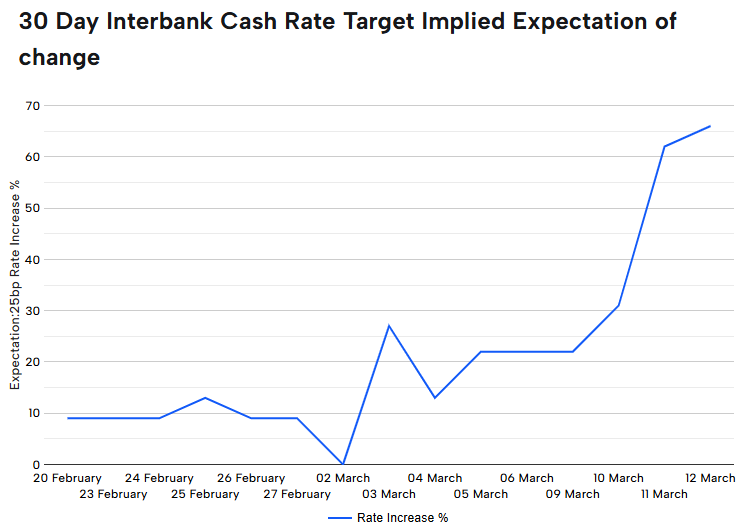
Bank Cadangan Australia (RBA) mengumumkan keputusan suku bunga tunai berikutnya pada hari Selasa, dengan pasar sekarang menetapkan peluang 66% untuk kenaikan kedua menjadi 4,1%.
Beberapa analis telah memperingatkan perang Iran dapat mendorong inflasi AS menjadi 3,5% pada akhir tahun dan menunda penurunan suku bunga Fed hingga September, menjadikan plot dot FOMC minggu ini yang paling diawasi ketat dalam beberapa tahun.
Minyak mentah Brent menggoda US$100 per barel setelah Iran meluncurkan apa yang digambarkan media pemerintah sebagai “operasi paling intens sejak awal perang.”
RBA: Akankah Australia naik lagi?
RBA menaikkan suku bunga tunai untuk pertama kalinya dalam dua tahun menjadi 3,85% pada pertemuan Februari setelah inflasi meningkat secara material pada paruh kedua tahun 2025.
Pertanyaannya sekarang adalah apakah itu bergerak lagi bahkan sebelum melihat cetakan CPI kuartalan berikutnya, yang tidak akan jatuh tempo sampai 29 April.
Wakil Gubernur Andrew Hauser mengakui menjelang pertemuan bahwa pembuat kebijakan menghadapi keputusan yang benar-benar terpecah, dibentuk oleh sinyal ekonomi yang saling bertentangan di dalam negeri dan meningkatnya ketidakstabilan di luar negeri.
Pasar keuangan saat ini menetapkan sekitar 66% probabilitas untuk kenaikan lain, dengan kenaikan Mei dianggap hampir pasti terlepas dari apa yang terjadi pada hari Senin.
Tanggal utama
Keputusan Suku Bunga RBA: Selasa, 17 Maret, 14:30 AEDT
FOMC: Kemungkinan besar, semua mata tertuju pada plot titik
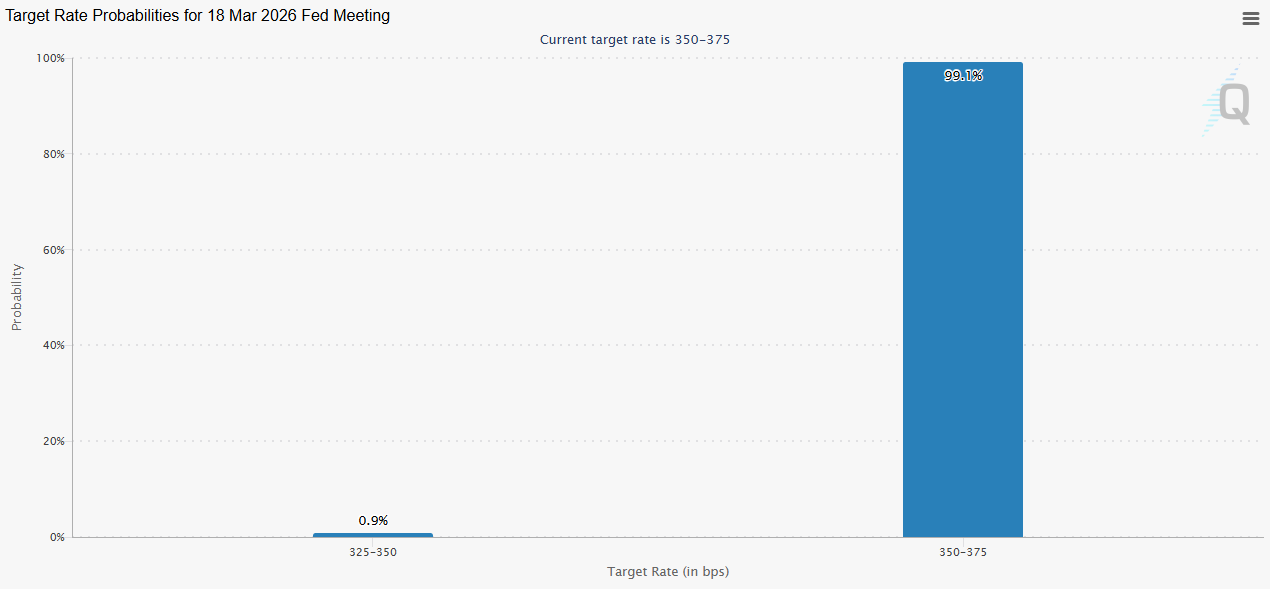
FOMC bertemu pada 17-18 Maret, dengan pernyataan kebijakan dijadwalkan pukul 14:00 ET pada 18 Maret dan konferensi pers Ketua Jerome Powell pada pukul 14:30. CME FedWatch menunjukkan probabilitas 99% bahwa Fed mempertahankan suku bunga pada 3,50% hingga 3,75%.
Tindakan sebenarnya ada di Ringkasan Proyeksi Ekonomi (SEP) dan plot titik. Titik median saat ini menunjukkan satu potongan 25-titik basis untuk 2026. Jika bergeser ke dua pemotongan, itu dovish dan bullish untuk aset berisiko. Jika bergeser ke nol pemotongan atau menambahkan kenaikan suku bunga ke dalam proyeksi, pasar dapat bereaksi ke arah lain.
Lebih lanjut memperumit masalah, masa jabatan Powell sebagai Ketua Federal Reserve berakhir pada 23 Mei 2026. Kevin Warsh adalah kandidat utama untuk menggantikannya, dipandang lebih hawkish dalam kebijakan moneter. Setiap komentar dari Powell tentang transisi ini dapat menggerakkan pasar secara independen dari keputusan suku bunga itu sendiri.
Tanggal Kunci
Keputusan Suku Bunga FOMC+Plot Sep/DOT: Kamis 19 Maret, 4:00 pagi AEDT
Konferensi pers Powell: Kamis 19 Maret, 4:30 pagi AEDT
Memantau
Bahasa Powell tentang minyak dan inflasi tarif.
Reaksi imbal hasil Treasury 2 tahun.
Harga ulang CME FedWatch untuk setiap perubahan dalam probabilitas pemotongan September.
Bank of Japan: Pengetatan lebih lanjut bisa dilakukan
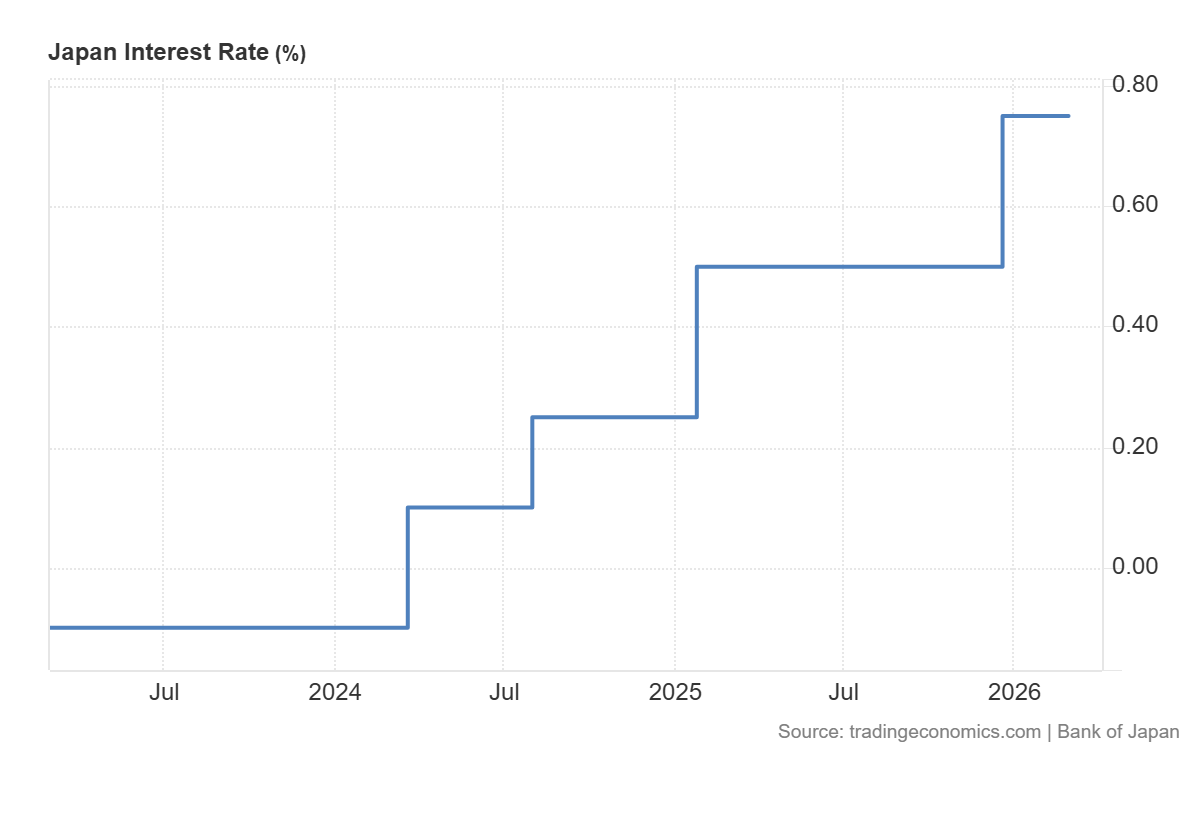
BOJ bertemu pada 18-19 Maret, dengan keputusan yang diharapkan Kamis pagi waktu Tokyo. Suku bunga kebijakan saat ini berada di 0.75% (tertinggi 30 tahun), dan pertemuan Januari 2026 menghasilkan penahanan dalam suara 8-1.
Gubernur Ueda telah mengkategorikan pertemuan Maret sebagai “langsung,” mencatat jadwal untuk pengetatan lebih lanjut dapat “dibawa ke depan” jika negosiasi upah musim semi Shunto menghasilkan hasil yang lebih kuat dari perkiraan.
Hasil-hasil tersebut akan mulai mengalir selama seminggu, menjadikannya masukan penting untuk keputusan BOJ. Nomura memperkirakan kenaikan upah Shunto pada 2026 akan mencapai sekitar 5,0%, termasuk senioritas, dengan pertumbuhan gaji pokok sekitar 3,4%. Jika hasil mengkonfirmasi lintasan itu, kasus untuk kenaikan bulan Maret menguat secara signifikan.
Komplikasinya adalah latar belakang global. Jepang mengimpor sekitar 90% dari kebutuhan energinya, dan minyak sekitar US $100 per barel mendorong kenaikan biaya impor dan mengancam akan menambah tekanan inflasi. Kenaikan BOJ ke guncangan minyak global akan menjadi langkah yang luar biasa berani.
Sebagian besar pelaku pasar masih condong ke arah penahanan pada pertemuan ini, dengan April atau Juli dipandang sebagai waktu yang lebih mungkin untuk langkah berikutnya.
Tanggal Kunci
Keputusan Suku Bunga Kebijakan BOJ (saat ini 0,75%): Kamis 19 Maret, pagi AEDT
Memantau
Hasil upah Shunto sebagai pemicu utama kenaikan bulan Maret.
Bahasa konferensi pers Ueda dan panduan ke depan pada bulan April dan Juli.
Minyak mentah Brent sempat menyentuh US$119,50 per barel pada awal pekan sebelum turun 17% menjadi di bawah US $80, kemudian rebound menuju US $95 di tengah sinyal beragam dari Washington tentang Selat Hormuz.
Pada hari Kamis, Brent kembali lebih dari US $100 karena Iran melancarkan serangan baru terhadap pengiriman komersial dan rilis cadangan IEA gagal membawa bantuan yang berarti.
Dalam skenario di mana konflik yang lebih lama menyebabkan kerusakan pada infrastruktur energi, analis memperkirakan CPI dapat naik menjadi 3,5% pada akhir 2026, dengan harga bensin mendekati US $5 per galon pada kuartal kedua.
Untuk minggu ini, minyak bertindak sebagai meta-variabel makro. Setiap berita geopolitik, sinyal gencatan senjata, serangan tanker, pelepasan cadangan, dan komentar Trump dapat menggerakkan ekuitas, obligasi, dan mata uang secara real time.
Memantau
Setiap aliran tanker Selat Hormuz yang dilanjutkan.
Serangan AS-Israel terhadap Iran yang diluncurkan pada 28 Februari membuat minyak mentah Brent melonjak melewati US $119 per barel, emas di atas US $5.200, dan stok pertahanan ke level tertinggi sepanjang masa.
Dengan latar belakang itu, investor fokus pada sekelompok kecil nama terkait komoditas yang mungkin tetap sensitif terhadap pergerakan lebih lanjut dalam minyak, LNG dan emas. Pertanyaan kuncinya adalah apakah guncangan terbukti berkelanjutan, atau apakah gencatan senjata, normalisasi pengiriman, atau tindakan kebijakan menghilangkan sebagian dari premi risiko geopolitik.
1. Exxon Mobil (NYSE: XOM)
ExxonMobil telah menjadi salah satu penerima manfaat paling jelas dari lonjakan harga. Saham mencapai rekor tertinggi US$159,60 pada awal Maret dan naik sekitar 28% tahun-ke-saat ini.
Perusahaan memproduksi 4,7 juta barel setara minyak per hari, memiliki titik impas Permian Basin sekitar US $35/barel, dan berkomitmen untuk pembelian kembali US$20 miliar untuk tahun 2026.
Wells Fargo menaikkan target harga menjadi US$183 dari US$156 menyusul eskalasi, sementara konsensus analis yang lebih luas berada di sekitar US$140-$144. Namun, XOM sudah diperdagangkan di atas banyak target konsensus, dan gangguan terhadap mitra LNG-nya QatarEnergy menimbulkan hambatan operasional jangka pendek.
Apa yang harus ditonton
Apakah gangguan Hormuz bertahan lebih dari 4-6 minggu.
Rilis cadangan darurat G7 atau gencatan senjata yang kredibel dapat menekan premi risiko perang.
Setiap penyesuaian terhadap target konsensus analis.
Chevron menyentuh level tertinggi 52 minggu baru di US$196,76 pada awal Maret dan telah meningkat sekitar 24% tahun-ke-saat ini.
Impas Brent perusahaan untuk dividen dan belanja modal berada di sekitar US $50/barel. Ini berarti bahwa pada harga Minyak saat ini di atas US $90, itu menghasilkan arus kas bebas yang signifikan.
Namun, Chevron telah menghentikan sementara operasi di ladang gas di lepas pantai Israel menyusul aktivitas rudal di wilayah tersebut, dan stok telah turun lebih dari 1% karena konflik secara langsung mempengaruhi operasinya.
Apa yang harus ditonton
Pembaruan operasional langsung dari aset Timur Tengah dan Israel Chevron.
Penghentian lebih lanjut yang dapat membebani produksi jangka pendek.
Minyak mentah bertahan di atas US $90, yang membuat Chevron menghasilkan arus kas bebas yang signifikan.
3. Energi Woodside (ASX: WDS/NYSE: WDS)
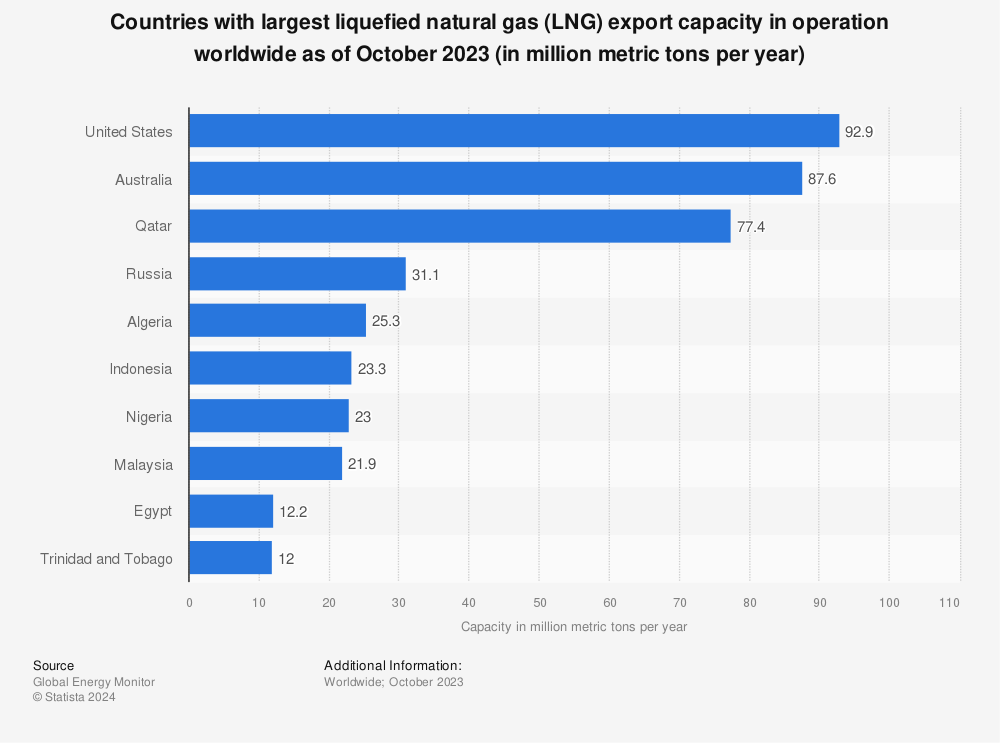
Dengan Qatar menghentikan produksi setelah serangan drone Iran, pembeli di seluruh Asia dan Eropa berebut pasokan alternatif. Woodside, sebagai salah satu produsen dan eksportir LNG terbesar di Australia, berada di luar zona konflik dan berada di posisi yang baik untuk mendapatkan keuntungan dari permintaan yang dialihkan.
Analis memperingatkan bahwa substitusi aktual membutuhkan waktu karena kendala pengiriman dan kontrak, yang berarti kenaikan harga mungkin lebih tahan lama daripada perdagangan spot sederhana. Harga gas acuan TTF Eropa melonjak lebih dari 50% dalam seminggu, memperkuat lingkungan margin untuk produsen LNG non-Timur Tengah.
Apa yang harus ditonton
Kecepatan dan garis waktu memulai kembali produksi LNG Qatar.
Jika QatarEnergy tetap offline selama berminggu-minggu, Woodside dapat mulai mengontrak kembali pembeli Eropa dengan harga spot yang lebih tinggi.
Pergerakan dolar Australia yang lebih tinggi bisa menjadi hambatan yang layak dilacak untuk pendapatan dalam denominasi USD.
4. Energi Cheniere (NYSE: LNG)
Bersama Woodside, Cheniere adalah penerima manfaat paling langsung AS dari gangguan LNG Qatar. Sebagai pengekspor LNG terbesar di Amerika Serikat, ia melihat kekuatan intraday pada awal minggu konflik.
Produksi energi domestik AS telah menyangga konsumen Amerika dari kejutan terburuk, tetapi premi ekspor telah melebar karena pembeli Eropa dan Asia membayar untuk pasokan non-Teluk.
Perdagangan ini “sensitif secara geopolitik,” dan resolusi apa pun dapat membalikkan kenaikan dengan cepat. Tetapi selama Hormuz dan infrastruktur gas Teluk tetap terganggu, Cheniere diposisikan untuk mendapat manfaat secara struktural.
Apa yang harus ditonton
Setiap terobosan diplomatik yang membuka kembali jalur pelayaran Teluk.
Pengumuman kontrak offtake jangka panjang baru yang ditandatangani dengan harga tinggi saat ini.
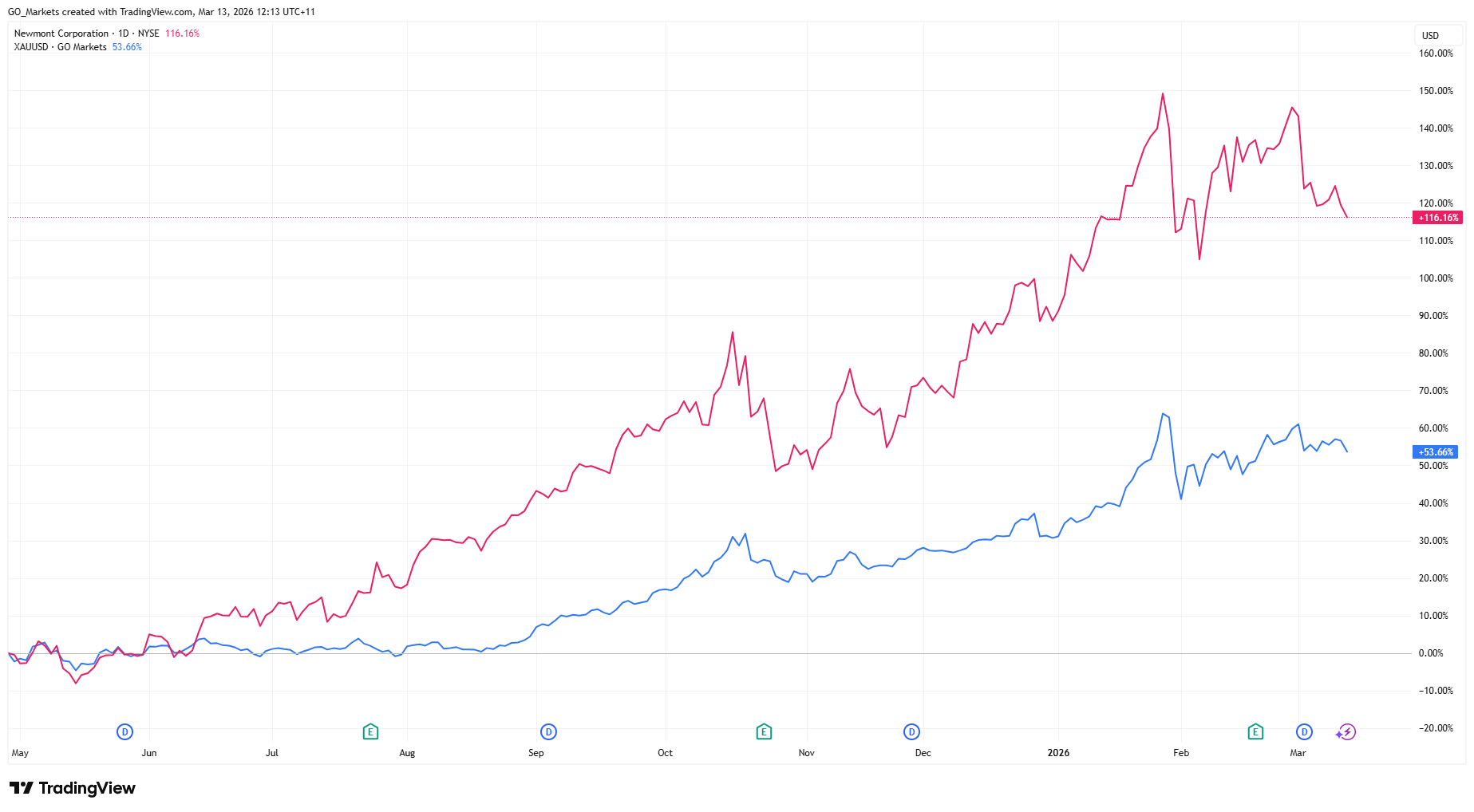
Emas melonjak 5,2% dalam satu sesi pada 1 Maret, menyentuh US $5.246/oz, karena pasar mencari aset safe-haven. Newmont, produsen emas terbesar di dunia, telah melihat cadangannya secara efektif dinilai kembali pada harga ini.
Ini naik bersamaan dengan kenaikan 24% dari tahun ke hari ini, dan biaya pelestarian keseluruhannya sebagian besar tetap tetap.
Namun, penambang emas terjual tajam pada 4 Maret, dan Newmont turun hampir 8% dalam satu sesi karena deleveraging risiko yang lebih luas mengenai ekuitas logam mulia.
Saham telah pulih sejak itu, tetapi volatilitas tetap tinggi. Untuk investor jangka panjang, analis mencatat bahwa yurisdiksi pertambangan “aman” seperti Kanada, Australia, dan Nevada memerintahkan premi baru karena ketidakstabilan Timur Tengah meningkatkan nilai pasokan yang aman secara geopolitik.
Apa yang harus ditonton
Apakah emas dapat bertahan di atas US $5.000/oz.
Konflik yang berkepanjangan dapat mempercepat siklus M&A di penambang emas junior.
Gencatan senjata atau peristiwa deleveraging ekuitas yang luas sebagai risiko utama untuk dipantau.
Lockheed Martin mencapai level tertinggi baru sepanjang masa sebesar US$676,70 pada 3 Maret, naik lebih dari 4% untuk hari itu. Pesawat tempur F-35, amunisi berpemandu presisi, sistem THAAD, dan artileri roket HIMARS adalah pusat kampanye udara yang sedang berlangsung.
Departemen Pertahanan AS bergerak untuk mengisi kembali stok amunisi, dan ambisi Trump yang dinyatakan untuk meningkatkan anggaran pertahanan AS menjadi US $1,5 triliun pada tahun 2027 menambah angin struktural jangka panjang di luar konflik langsung.
Saham pertahanan naik di tengah penetapan harga risiko geopolitik klasik, tetapi investor harus mencatat bahwa arus kontrak aktual membutuhkan waktu untuk diterjemahkan ke dalam pendapatan, dan valuasi sudah mencerminkan optimisme yang cukup besar.
Apa yang harus ditonton
Laju pesanan pengisian amunisi Departemen Pertahanan AS.
Seberapa cepat kemenangan kontrak diterjemahkan ke dalam pertumbuhan backlog.
Barrick melacak pergerakan emas bersejarah bersama Newmont, dengan saham naik tajam dari tahun ke saat ini. Perusahaan ini berada pada kapitalisasi pasar sekitar US$78 miliar dan melaporkan rekor proyeksi arus kas bebas karena biaya pelestarian keseluruhan tetap jauh di bawah harga spot saat ini.
Seperti Newmont, ia mengalami aksi jual satu sesi yang tajam lebih dari 8% selama peristiwa deleveraging 4 Maret yang lebih luas, sebelum pulih sebagian.
Perusahaan royalti dan streaming seperti Wheaton Precious Metals (WPM) disukai oleh beberapa investor sebagai cara yang lebih dilindungi inflasi untuk mengakses kenaikan emas, mengingat eksposur biaya operasional mereka yang lebih rendah. Namun Barrick tetap menjadi salah satu penambang emas terbesar yang terdaftar di dunia, dengan pendapatan yang sangat sensitif terhadap perubahan harga emas
Apa yang harus ditonton
Kemampuan emas bertahan di atas US $5,000/oz.
Setiap Barrick bergerak menuju akuisisi penambang junior.
Inflasi biaya energi, karena kenaikan harga bahan bakar dapat mulai menekan margin operasi penambang.




.jpg)
.jpg)