ข่าวสารตลาด & มุมมองเชิงลึก
ก้าวนำตลาดด้วยมุมมองเชิงลึกจากผู้เชี่ยวชาญ ข่าวสาร และการวิเคราะห์ทางเทคนิค เพื่อเป็นแนวทางในการตัดสินใจซื้อขายของคุณ.

ละตินอเมริกา (LATAM) มีปริมาณคริปโตมากกว่า 730 พันล้านดอลลาร์ในปี 2025 ซึ่งเป็นการเพิ่มขึ้น 60% เมื่อเทียบปีซึ่งทำให้ภูมิภาคนี้รับผิดชอบต่อกิจกรรมคริปโตทั่วโลกประมาณ 10%
ในปี 2026 ผู้เล่นสถาบันเริ่มพิจารณาภูมิภาคอย่างจริงจัง กฎระเบียบกำลังตกผลึก และตัวขับเคลื่อนโครงสร้างตั้งแต่ปี 2025 ไม่แสดงสัญญาณว่าจางหายไปแต่ภูมิภาคนี้ไม่ได้เป็นเรื่องเดียว และปี 2026 จะทดสอบว่าโมเมนตัมปัจจุบันสร้างขึ้นจากพื้นฐานที่มั่นคงหรือการมองโลกในแง่ดีเชิงเก็งกำไรหรือไม่
ข้อเท็จจริงด่วน
- ผู้ใช้ crypto ที่ใช้งานอยู่รายเดือนของ LATAM เพิ่มขึ้น 18% เมื่อเทียบเป็นรายปี (YoY) เร็วกว่าสหรัฐสามเท่า
- อาร์เจนตินาเพิ่มการเจาะผู้ใช้รายเดือน 12% ซึ่งคิดเป็นมากกว่าหนึ่งในสี่ของกิจกรรม crypto ของภูมิภาค
- มากกว่า 90% ของกระแสคริปโตของบราซิลเกี่ยวข้องกับ stablecoin
- สามประเทศ LATAM ติดอันดับใน 20 อันดับแรกของโลก: บราซิล (5) เวเนซุเอลา (18) อาร์เจนตินา (20)
- การดาวน์โหลดแอป crypto ของเปรูเพิ่มขึ้น 50% ในปี 2025 โดยมีการดาวน์โหลด 2.9 ล้านครั้ง

จากเครื่องมือการอยู่รอดไปจนถึงโครงสร้างพื้นฐานทางการเงิน
ละตินอเมริกาไม่ได้ยอมรับสกุลเงินดิจิทัลเนื่องจากการเก็งกำไรมันยอมรับเพราะระบบการเงินแบบดั้งเดิมล้มเหลวคนธรรมดาซ้ำ ๆในช่วง 15 ปีที่ผ่านมา อัตราเงินเฟ้อเฉลี่ยต่อปีทั่วทั้งห้าเศรษฐกิจที่ใหญ่ที่สุดของภูมิภาคอยู่ที่ 13% เทียบกับเพียง 2.3% ในสหรัฐอเมริกาในช่วงเวลาเดียวกัน
ในเวเนซุเอลาสูงถึง 65,000% ในหนึ่งปีเดียวในอาร์เจนตินาสูงกว่า 220% ในปี 2024สำหรับคนนับล้านการถือเงินออมในสกุลเงินท้องถิ่นเป็นการทำลายตนเองอย่างช้าๆสเตเบิลคอยน์กลายเป็นการตอบสนองตามธรรมชาติสินทรัพย์ดิจิทัลที่เชื่อมโยงกับดอลลาร์สหรัฐนำเสนอการจัดเก็บมูลค่าที่เชื่อถือได้ ความสามารถในการโอนแบบไร้พรมแดน และการเข้าถึงโดยไม่มีบัญชีธนาคาร
ซึ่งแตกต่างจากตะวันตกที่ที่ crypto ถูกมองว่าเป็นเครื่องมือเก็งกำไรมากขึ้นใน LATAM มันกลายเป็นเครื่องมือทางการเงินที่จำเป็นอย่างไรก็ตามไดรเวอร์การรับเลี้ยงบุตรบุญธรรมไม่เหมือนกันทั้งหมดในภูมิภาคบราซิลและเม็กซิโกเป็นเรื่องราวของสถาบัน ซึ่งขับเคลื่อนโดยการมีส่วนร่วมในตลาดที่มีการควบคุมและผู้เล่นทางการเงินที่ได้รับการ
อาร์เจนตินาและเวเนซุเอลายังคงมีมูลค่าอยู่เสมอ โดยคริปโตทำหน้าที่เป็นการป้องกันความเสี่ยงโดยตรงต่อการล่มสลายของ fiatและเปรูและโคลอมเบียเป็นตลาดที่แสวงหาผลตอบแทนมากขึ้น โดยที่ crypto เสนอผลตอบแทนที่บัญชีออมทรัพย์แบบดั้งเดิมไม่สามารถจับคู่ได้

LATAM ใช้สกุลเงินดิจิทัลเร็วแค่ไหน
ปริมาณคริปโตออนเชนของ LATAM เพิ่มขึ้น 60% เมื่อเทียบเป็นปีในปี 2025ภูมิภาคนี้มีปริมาณสะสมเกือบ 1.5 ล้านล้านดอลลาร์ตั้งแต่กลางปี 2022 โดยสูงสุดที่ 87.7 พันล้านดอลลาร์ในเดือนเดียวในเดือนธันวาคม 2024
ผู้ใช้ crypto ที่ใช้งานรายเดือนใน LATAM ยังเพิ่มขึ้น 18% ในปี 2025 เร็วกว่าสหรัฐสามเท่า
Stablecoin เป็นยานพาหนะหลักที่ขับเคลื่อนการนำมาใช้ครั้งนี้จาก 730 พันล้านดอลลาร์ที่ได้รับในปี 2025 324 พันล้านดอลลาร์เคลื่อนผ่านธุรกรรม stablecoin ซึ่งเพิ่มขึ้น 89% เมื่อเทียบเป็นรายปีในบราซิล มากกว่า 90% ของกระแสคริปโตทั้งหมดเกี่ยวข้องกับ stablecoin และในอาร์เจนตินา stablecoin คิดเป็นมากกว่า 60% ของกิจกรรม
เมื่อมองไปในอนาคต ตลาดสกุลเงินดิจิทัลละตินอเมริกาคาดว่าจะสูงถึง 442.6 พันล้านดอลลาร์ภายในปี 2033 โดยเติบโตในอัตราต่อปีรวม 10.93% จากปี 2025 ตามรายงานของ IMARC Group
สำหรับเทรดเดอร์ ความเร็วในการรับเลี้ยงบุตรบุญธรรมมีความสำคัญน้อยกว่าสิ่งที่ขับเคลื่อนไหว: ภูมิภาคที่มีผู้คน 650 ล้านคนสร้างโครงสร้างพื้นฐานทางการเงินแบบขนานแบบเรียลไทม์ โดยมี stablecoin เป็นรากฐาน
การเปลี่ยนสถาบัน
สำหรับประวัติศาสตร์คริปโตส่วนใหญ่ของ LATAM การนำมาใช้เป็นแบบล่างขึ้นบนผู้ใช้รายย่อยที่ไม่มีธนาคารหรือต่ำกว่าธนาคารส่งผลักดันปริมาณผ่านการแลกเปลี่ยนในท้องถิ่นตอนนี้ภาพนั้นกำลังเปลี่ยนแปลงที่ปลายด้านบนของตลาด
ในเดือนกุมภาพันธ์ 2026 Crypto Finance Group ซึ่งเป็นส่วนหนึ่งของบริษัทแลกเปลี่ยนชั้นนำระดับโลก Deutsche Börse Group ประกาศขยายตัวไปยังละตินอเมริกา โดยกำหนดเป้าหมายธนาคาร ผู้จัดการสินทรัพย์ และตัวกลางทางการเงินที่ต้องการโครงสร้างพื้นฐานการดูแลและซื้อขายระดับสถาบัน
ธนาคารและฟินเท็กแบบดั้งเดิมกำลังทำตามตัวอย่างตอนนี้ Nubank ให้รางวัลแก่ลูกค้าสำหรับการถือหุ้น USDCการแลกเปลี่ยน B3 ของบราซิลได้อนุมัติ XRP และ SOL ETF แรกของโลกก่อนสหรัฐในปี 2025การแลกเปลี่ยนแบบรวมศูนย์ รวมถึง Mercado Bitcoin, NovaDax และ Binance ได้จดทะเบียนคู่ซื้อขายใหม่กว่า 200 คู่สกุลเงิน BRL ตั้งแต่ต้นปี 2024
ในเดือนมีนาคม 2025 ฟินเทค Meliuz ของบราซิลกลายเป็นบริษัทแรกที่ซื้อขายต่อสาธารณะในประเทศที่เปิดตัวกลยุทธ์การสะสม Bitcoin โดยปัจจุบันถือหุ้น 320 BTC
“การนำเข้ารหัสคริปโตใน LaTam เป็นระดับโลกแล้วสิ่งที่ตลาดต้องการตอนนี้คือการกำกับดูแลระดับสถาบัน และนั่นคือเหตุผลที่เราอยู่ที่นี่” — Stijn Vander Straeten ซีอีโอของ Crypto Finance Group
กรณีการใช้งานการโอนเงินคริปโต
ละตินอเมริกาได้รับเงินหลายร้อยพันล้านดอลลาร์ต่อปีจากคนงานในต่างประเทศ ทำให้การโอนเงินเป็นหนึ่งในกรณีการใช้งานคริปโตที่เป็นรูปธรรมและวัดได้มากที่สุดในภูมิภาคบริการโอนแบบดั้งเดิมคิดค่าโดยเฉลี่ย 6.2% ต่อธุรกรรมในการโอนเงิน 300 เหรียญสหรัฐ นั่นคือค่าธรรมเนียมประมาณ 20 เหรียญสหรัฐ
โครงสร้างพื้นฐานที่ใช้บล็อกเชนในวงกว้างขึ้นทำให้มีการลดค่าธรรมเนียมอย่างมากBitcoin นำต้นทุนอยู่ที่ประมาณ 3.12 เหรียญสหรัฐต่อการโอน $100ในขณะที่ทางเลือกที่ถูกกว่าเช่นโครงสร้างพื้นฐาน XRP หรือ Ethereum layer-2 สามารถลดลงเหลือน้อยกว่า 0.01 เหรียญสหรัฐ
สำหรับคนงานข้ามชาติที่ส่งกลับบ้าน 1,500 เหรียญสหรัฐไปยังเปรู การเปลี่ยนจากธนาคารเดิมจะช่วยประหยัดค่าจ้างรายสัปดาห์เฉลี่ยของเปรูในค่าธรรมเนียมเพียงอย่างเดียว
สภาพแวดล้อมการกำกับดูแลคริปโตของ LATAM
ตัวแปรที่จะกำหนดมากที่สุดว่าLATAM มีศักยภาพสูงสุดในปี 2026 หรือไม่ คือการควบคุมcryptoและที่นี่ภาพนั้นผสมกันอย่างแท้จริง
บราซิลเป็นผู้นำภูมิภาคด้วยกฎหมายสินทรัพย์เสมือนซึ่งครอบคลุมการแยกสินทรัพย์ ใบอนุญาต VASP ข้อกำหนด AML/KYC และมาตรฐานทุนนอกจากนี้ยังใช้กฎการเดินทางสำหรับการโอน VASP ภายในประเทศ ซึ่งมีผลบังคับใช้ในเดือนกุมภาพันธ์ 2026อย่างไรก็ตาม ข้อเสนอที่ถกเถียงกันเพิ่มเติมบางประการ รวมถึงขีด จำกัด 100,000 ดอลลาร์สหรัฐสำหรับธุรกรรม stablecoin ข้ามพรมแดน และการห้ามการโอนเงินกระเป๋าเงินที่ดูแลตนเอง ยังคงอยู่ภายใต้การปรึกษาอย่างต่อเนื่อง
กฎหมาย Fintech ปี 2018 ของเม็กซิโกยังคงเป็นหนึ่งในการยอมรับสินทรัพย์เสมือนจริงที่เก่าแก่ที่สุดในโลกกฎหมาย Fintech ปี 2023 ของชิลีได้จัดตั้งใบอนุญาตสำหรับการแลกเปลี่ยน กระเป๋าเงิน และผู้ออก stablecoin โดยยอมรับสินทรัพย์ดิจิทัลเป็น 'เงินดิจิทัล' อย่างเป็นทางการ
โบลิเวียย้อนกลับการห้ามคริปโตเป็นเวลานานหลายทศวรรษในเดือนมิถุนายน 2024 โดยอนุญาตให้ทำธุรกรรมสินทรัพย์ดิจิทัลอาร์เจนตินาแนะนำการลงทะเบียนแลกเปลี่ยนภาคบังคับในปี 2025และเอลซัลวาดอร์ยังคงขยายความคิดริเริ่มทางเศรษฐกิจที่โดดเด่นแม้จะลบสถานะการชำระเงินตามกฎหมายของ Bitcoin
สิบประเทศทั่วภูมิภาคมีกรอบคริปโตอย่างเป็นทางการในบางประเภทแต่สำหรับเทรดเดอร์ ความแตกต่างทางกฎระเบียบยังคงเป็นความเสี่ยงจริงและเนื่องจากบราซิลได้รับเกือบหนึ่งในสามของปริมาณคริปโต LATAM ทั้งหมด การพลิกกลับนโยบายที่สำคัญใด ๆ อาจส่งผลมากเกินไป

สิ่งที่เทรดเดอร์ควรดู
โมเมนตัมสถาบันของบราซิลเป็นแนวโน้มโครงสร้างที่สำคัญที่สุดด้วยปริมาณออนเชนจำนวน 318.8 พันล้านดอลลาร์ในปี 2025 บราซิลจึงเป็นตลาด LATAM อย่างมีประสิทธิภาพ
ผลลัพธ์ของการให้คำปรึกษา stablecoin ของบราซิลอาจมีอิทธิพลอย่างมากข้อ จำกัด เกี่ยวกับสกุลเงินเสถียรต่างประเทศในการชำระเงินในประเทศจะส่งผลกระทบโดยตรงต่อประเภทสินทรัพย์ที่มีการซื้อขายมากที่สุดในตลาดที่โดดเด่นของภูมิภาค
อาร์เจนตินาคือการเล่นความผันผวนการแทรกซึมของผู้ใช้รายเดือนที่ 12% และการดาวน์โหลดแอป crypto 5.4 ล้านครั้งในปี 2025 บ่งบอกถึงการมีส่วนร่วมของผู้ค้าปลีกที่ลึกซึ้งและเพิ่มขึ้น
โคลอมเบียเป็นตลาดที่มีคำเตือนเบื้องต้นที่ควรดูค่าเสื่อมราคา 5.3% ของเปโซในปี 2025 และวิกฤตทางการคลังที่ลึกซึ้งยิ่งขึ้นกำลังขับเคลื่อนการไหลเข้าของ stablecoin ในรูปแบบที่สะท้อนวิถีของอาร์เจนตินาในปีก่อนหน้าหากสถานการณ์มหภาคของโคลอมเบียแย่ลงอีก การยอมรับ crypto อาจเร่งขึ้น
นอกจากนี้ยังมีความเสี่ยงในการกระตุ้นการแลกเปลี่ยนที่เล่นการแลกเปลี่ยนคริปโต Binance เป็นการแลกเปลี่ยนหลักสำหรับผู้ใช้คริปโต LATAM มากกว่า 50%หากตลาดซื้อขายเผชิญกับการดำเนินการด้านกฎระเบียบการหยุดชะงักด้านการดำเนินงาน หรือการแข่งขัน อาจส่งผลกระทบต่อตลาดขนาดใหญ่
บรรทัดล่าง
ตลาด crypto ของละตินอเมริกาได้เข้าสู่ช่วงใหม่ตัวขับเคลื่อนโครงสร้างที่ทำให้อุปสงค์คริปโตเบื้องต้นในภูมิภาคยังไม่หายไป: เงินเฟ้อ การโอนเงิน การยกเว้นทางการเงิน และความไม่มั่นคงของสกุลเงินยังคงดำเนินอยู่
สิ่งที่เปลี่ยนแปลงคือเลเยอร์ที่สร้างขึ้นด้านบนโครงสร้างพื้นฐานของสถาบัน กรอบการกำกับดูแล การยอมรับคลังขององค์กร และการแลกเปลี่ยนเงินทุนทั่วโลกที่ไหลเข้าสู่ภูมิภาคที่จนกระทั่งเมื่อไม่นานมานี้เป็นส่วนใหญ่เป็นอิสระ
ปริมาณการเติบโตใกล้กับ -250% ของบราซิลในปี 2025 และตำแหน่งที่ได้รับเกือบหนึ่งในสามของสกุลเงินดิจิทัล LATAM ทั้งหมดเป็นตัวกำหนดการพัฒนาของตลาดวิถีการกำกับดูแล การตัดสินใจเกี่ยวกับนโยบาย stablecoin และท่อ ETF จะกำหนดโทนเสียงสำหรับภูมิภาคอย่างมีประสิทธิภาพในปี 2026
สำหรับเทรดเดอร์ ตัวเลขการเติบโตหลักเป็นจริง แต่ความเสี่ยงด้านสมาธิ ความไม่แน่นอนด้านกฎระเบียบ และความแตกต่างในระดับประเทศที่อยู่ต่ำกว่านั้นก็เช่นกัน


USD rallied in Tuesday’s session, with the US dollar Index hitting a 2024 high of 106.510 after hawkish Fed Chair Powell commentary where he noted recent data was showing a lack of further progress on inflation. Powell also added that if higher inflation persists the Fed can maintain current rate as long as needed. On data, building permits and housing starts came in beneath analyst expectations while industrial production was in line with forecasts but manufacturing output beat.
USDJPY moved higher for a 5 th straight session, with the pair closing the New York session at highs of 154.78. There was what appeared to be an intervention earlier in the US session with a steep 100 pip drop on no headlines that quickly retraced. This looked like a shot across the bow from the BoJ with market participants suspecting intervention and will likely strengthen expectations that 155.00 is the line in the sand for Japanese officials.


Data releases this week have hinted that the strong US activity story may be about to turn. The ISM services index declined more than expected, with the “prices paid” component slowing meaningfully to a four-year low. Yesterday, the NFIB reported that small business was looking to cut back on hiring and with small businesses accounting for almost half of total US jobs suggest we could see sub-50k payrolls by June.
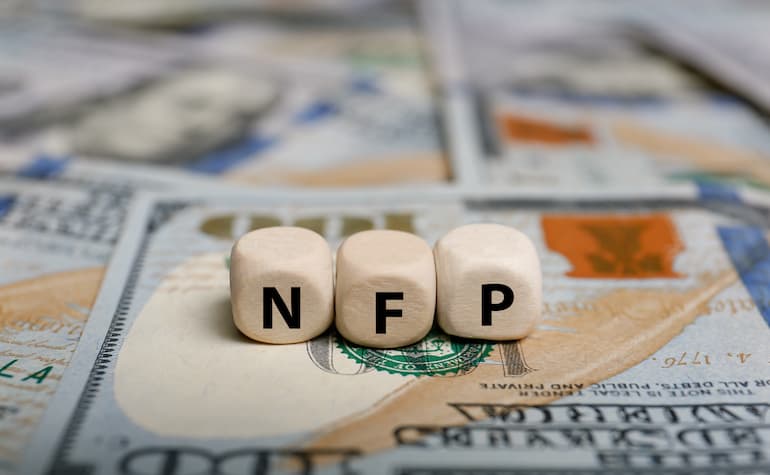
Today’s March NFP figure is expected at 214k with some economists predicting a miss to the downside, a print below 200k should put pressure on the dollar given it’s high sensitivity to data recently as the market tries to get ahead of future Fed actions. The US Dollar Index (DXY) is currently trading between resistance at 105, which was the February high, and support at the psychological 104 level. Both these levels will be in play on the back of today’s NFP, FX traders will be watching for breaks or holds of these key levels to gauge short term momentum for DXY.
A May cut from the Fed looks off the table, but June remains in play with odds currently at 60% in the Fed Funds futures market. Should the pricing for a June cut move from 60% to 100%, the dollar may well take a bigger hit than what the swing in rate differentials would imply.


USD continued the move lower sparked by a somewhat dovish Powell in Wednesdays FOMC meeting. And ahead of today’s key NFP print. DXY did hit highs after hot labour costs data, though quickly reversed to hit 3-week lows of 105.29, closing at session lows and looking to test the major support at 105.
JPY was the clear outperformer of G10 currencies, helped by a Reuters report that BoJ data suggesting that the sharp spikes in Yen strength on Monday and Wednesday this week were indeed BoJ intervention. USDJPY dropping almost 4.5% from the spike high early in Monday’s session to be hovering just above the 153 mark coming in to today’s APAC session. CHF was also an outperformer in Thursday’s session, led higher by a hot April Swiss CPI print where the headline figure of 1.4% Y/Y was well above the expected 1.1%.
USDCHF dropped to a low of 0.9094 before finding some buyers at the April support level of 0.9085, this will be a key level to watch in this pair ahead oh US NFP later today.


Mondays FX trade was relatively quiet on ahead of a some key central bank meetings today in the RBA and especially the BoJ. USD saw gains with the Dollar Index (DXY) rising from lows of 103.33 to highs of 103.65, with the index heading into APAC trade near Monday’s session high after yields were higher across the curve ahead of key risk events this week. JPY stuttered against the Dollar with USDJPY rising slightly and holding above the 149 level ahead of today’s BoJ rate decision.
The latest from Nikkei suggests the BoJ is set to end NIRP, end YCC and also end ETF purchases at today’s meeting. Markets are not fully convinced though with rates futures pricing in around a 50-50 chance of a move from the BoJ today, with April being the timeline some economist’s favour. AUDUSD was flat ultimately flat with AUDUSD rallying modestly in the APAC and UK session before paring gains in the US session ahead of today’s RBA meeting.
The Aussie central bank is widely expected to hold rates, but it will be the statement and presser to see what level of tightening bias (if any) the RBA still holds that will move the Aussie. Gold bounced back modestly, despite a mostly bid USD and higher yields, finding buyers and holding the key 2150 USD an ounce support level.


The negative dollar reaction to a modest tick-up in US jobless claims yesterday (231k versus consensus 212k) where the US Dollar Index (DXY) dropped from session highs at 105.74 to close at session lows of 105.20 seems to be telling FX traders that tells us that: a) markets are probably lacking some sense of direction in the period between payrolls and US CPI. b) the generally overbought dollar remains quite vulnerable to even slightly softer US data releases. c) markets may be buying in more convincingly on the softening US jobs market narrative. Beyond very short-term price movements, it’s looking like the key for the USD to trend materially lower remains inflation. Consensus is looking at 0.3% month-on-month core CPI print on Wednesday, which is still too high for the Fed to start cutting rates this summer.
Today’s US calendar includes only the University of Michigan surveys. Markets will be watching closely whether the medium and long-term inflation expectations have moved at all from April’s 3.0/3.2% levels. From the Fed the most interesting speaker will be Neel Kashkari, who recently argued for a higher neutral rate, which would suggest current monetary policy is not as restrictive as perceived.


USD was notably lower after what was seen as a dovish FOMC meeting on Wednesday. The Fed 2024 median dot was left unchanged with 3 cuts for 2024 still the Fed forecast but the dovish part came at the presser where Fed Chair Powell downplayed the hot January and February CPI numbers. This dovish tilt saw risk assets surge and the USD dump.
USDJPY bucked the weak Dollar trend pushing up to 152 before the result from the FOMC saw it pare some of those gains. A hawkish BoJ source reporting in Nikkei that suggested another hike could come in July or October also supporting the Yen somewhat. There is also speculation if the Yen weakness were to continue the BoJ/MoF could step in to intervene, with ING noting that local accounts felt that 155 would be red line.
Gold ripped to all time highs, with XAUUSD hitting a high of 2222 USD an ounce on the back of USD weakness and falling yields post FOMC, before falling back just above the old high at 2195 heading into the APAC session. Today ahead, more Central Bank action out of the BoE and SNB for FX traders to look forward to.