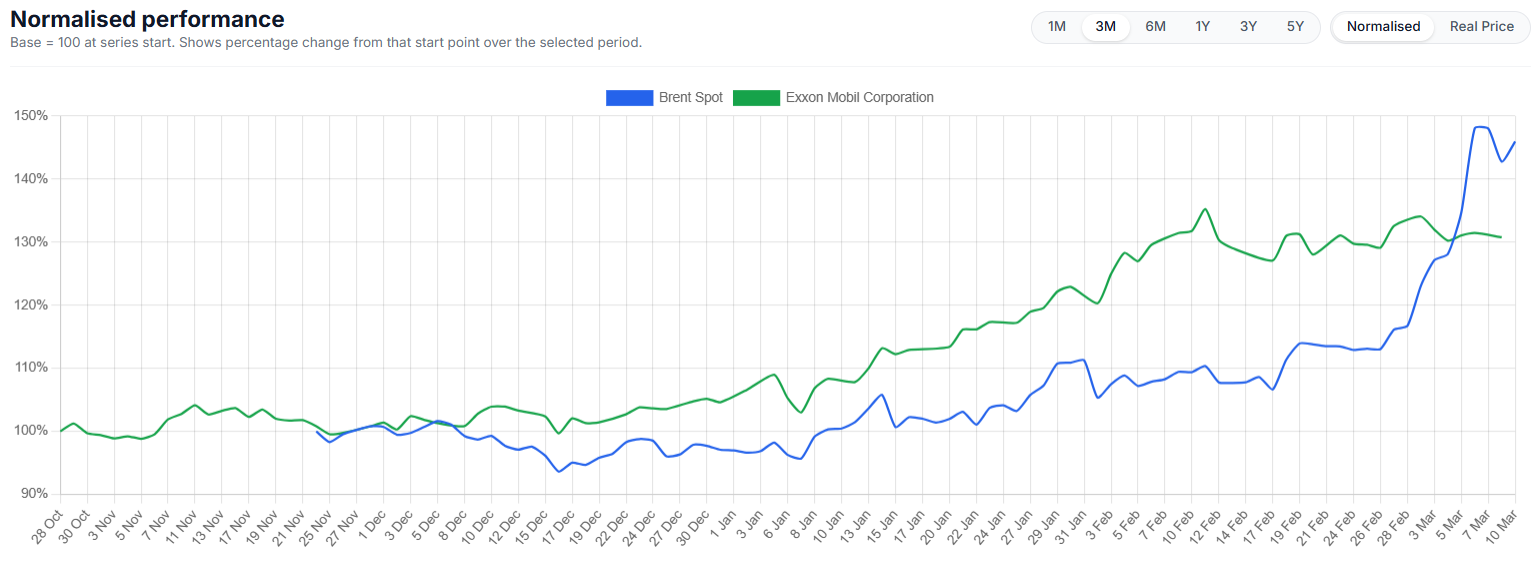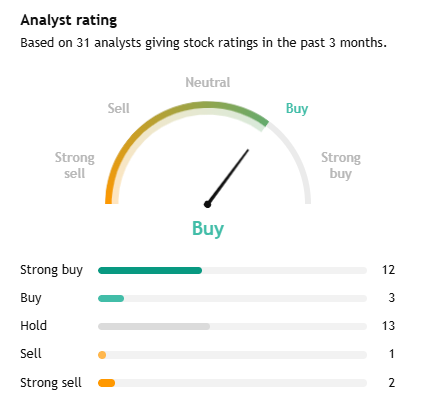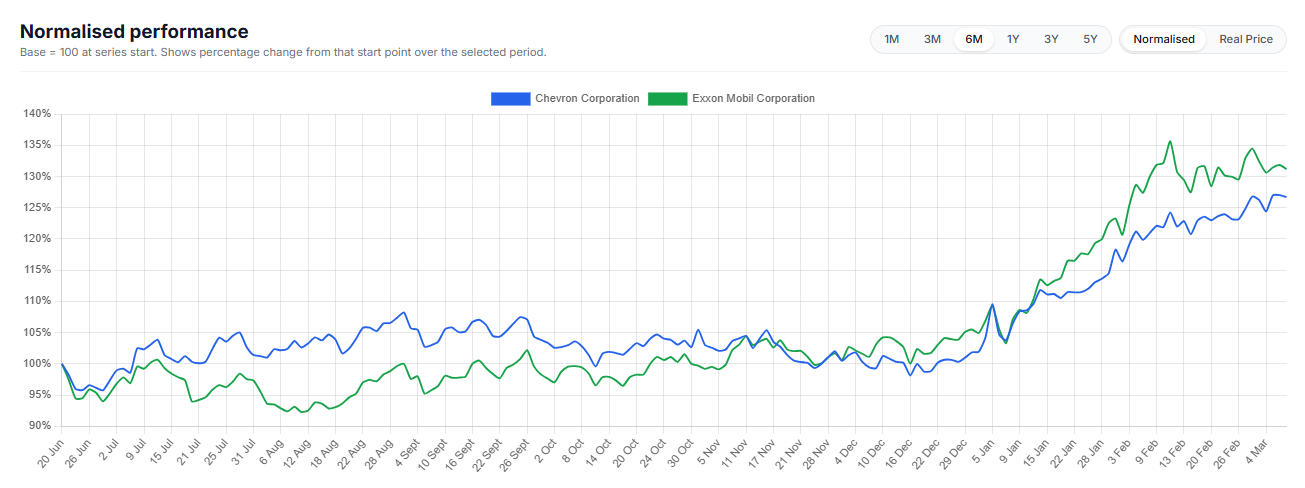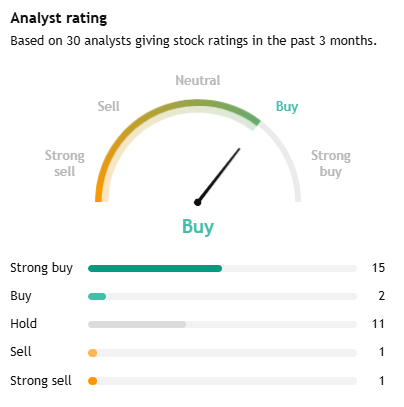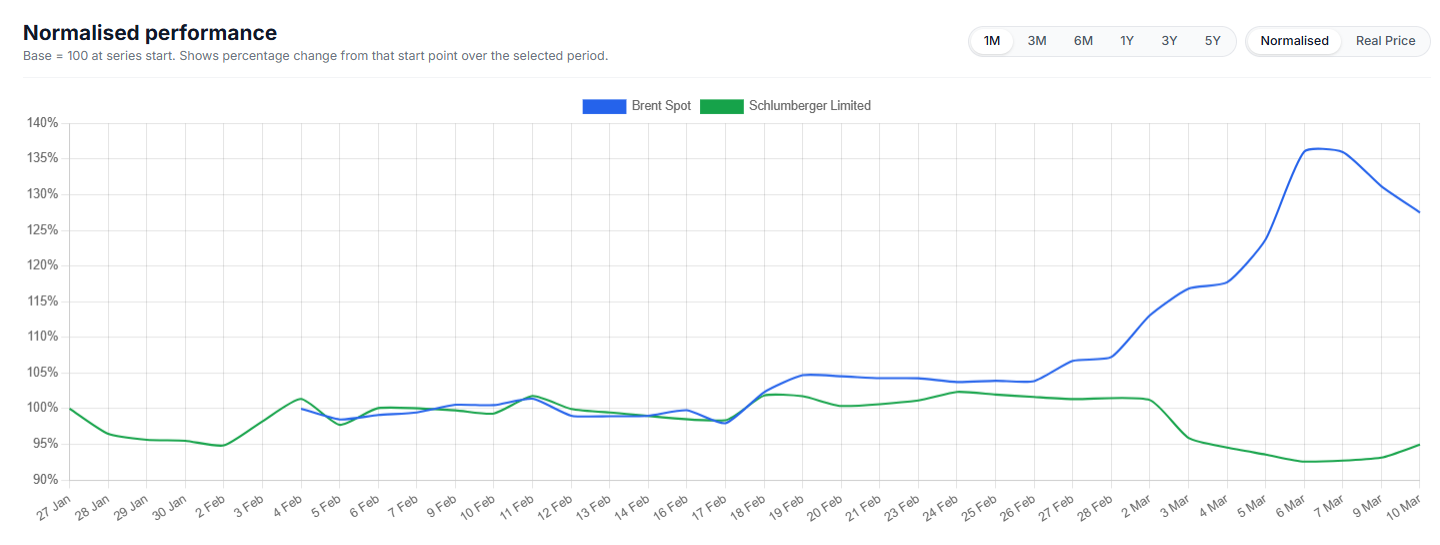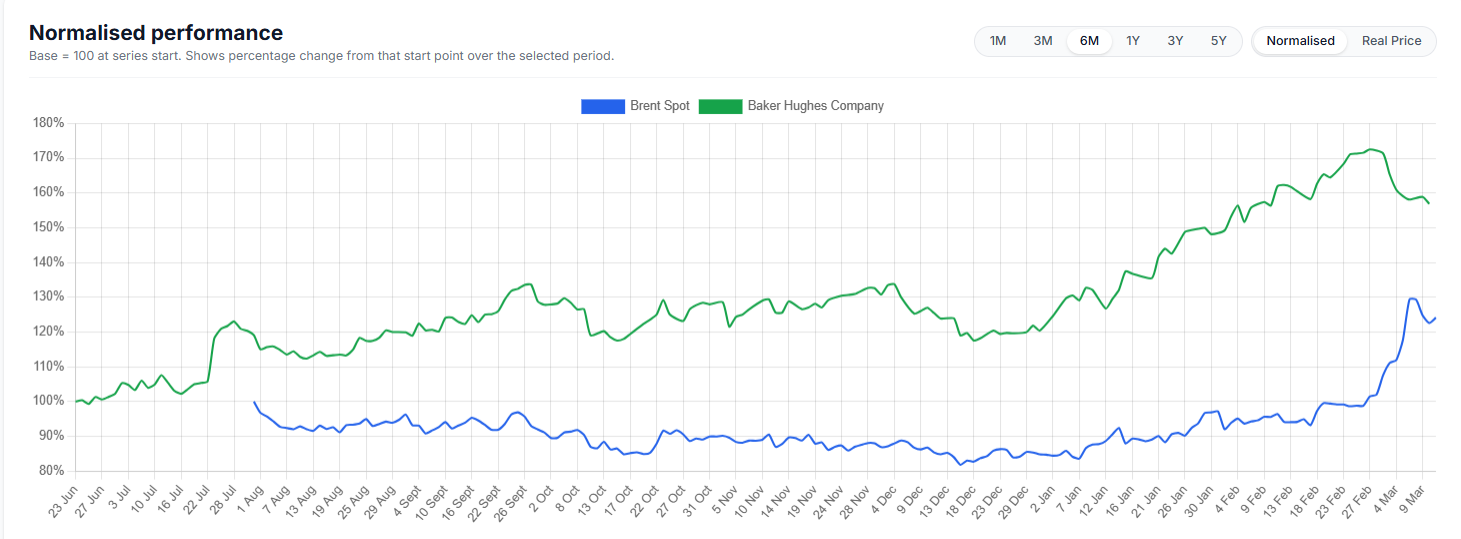
We would suggest that right now Markets are underestimating the impact of April 2 US Reciprocal Tariffs – aka Liberation Day monikered by the President.There is consistent and constant chatter around what is being referred to as The Dirty 15. This is the 15 countries the president suggests has been taking advantage of the United States of America for too long. The original thinking was The Dirty 15 for those countries with the highest levels of tariffs or some form of taxation system against US goods. However, there is also growing evidence that actually The Dirty 15 are the 15 nations that have the largest trade relations with the US.That is an entirely different thought process because those 15 countries include players like Japan, South Korea, Germany, France, the UK, Canada, Mexico and of course, Australia. Therefore, the underestimation of the impact from reciprocal tariffs could be far-reaching and much more destabilising than currently pricing.From a trading perspective, the most interesting moves in the interim appear to be commodities. Because the scale and execution of US’s reciprocal tariffs will be a critical driver of commodity prices over the coming quarter and into 2025.Based on repeated signals from President Trump and his administration, reinforced by recent remarks from US Commerce Secretary Howard Lutnick. Lutnick has indicated that headline tariffs of 15-30% could be announced on April 2, with “baseline” reciprocal tariffs likely to fall in the 15-20% range—effectively broad-based tariffs.The risk here is huge: economic downturn, possibilities of hyperinflation, the escalation of further trade tensions, goods and services bottlenecks and the loss of globalisation.This immediately brings gold to the fore because, clearly risk environment of this scale would likely mean that instead of flowing to the US dollar which would normally be the case the trade of last resort is to the inert metal.The other factor that we need to look at here is the actual end goal of the president? The answer is clearly lower oil prices—potentially through domestic oil subsidies or tax cuts—to offset inflationary pressures from tariffs and to force lower interest rates.‘Balancing the Budget’Secretary Lutnick has specified that the tariffs are expected to generate $700 billion in revenue, which therefore implies an incremental 15-20% increase in weighted-average tariffs. We can’t write off the possibility that the initial announcement may set tariffs at even higher levels to allow room for negotiation, take the recently announced 25% tariffs on the auto industry. From an Australian perspective, White House aide Peter Navarro has confirmed that each trading partner will be assigned a single tariff rate. Navarro is a noted China hawk and links Australia’s trade with China as a major reason Australia should be heavily penalised.Trump has consistently advocated for tariffs since the 1980s, and his administration has signalled that reciprocal tariffs are the baseline, citing foreign VAT and GST regimes as justification. This suggests that at least a significant portion of these tariffs may be non-negotiable. Again, this highlights why markets may have underestimated just how big an impact ‘liberation day’ could have.Now, the administration acknowledges that tariffs may cause “a little disturbance” (irony much?) and that a “period of transition” may be needed. The broader strategy appears to involve deficit reduction, followed by redistributing tariff revenue through tax cuts for households earning under $150K, as reported by the likes of Reuters on March 13.The White House has also emphasised a focus on Main Street over Wall Street, which we have highlighted previously – Trump has made next to no mention of markets in his second term. Compared to his first, where it was basically a benchmark for him.All this suggests that some downside risk in financial markets may be tolerated to advance broader economic objectives.Caveat! - a policy reversal remains possible in 2H’25, particularly if tariffs are implemented at scale and prove highly disruptive and the US consumer seizes up. Which is likely considering the players most impacted by tariffs are end users.The possible trades:With all things remaining equal, there is a bullish outlook for gold over the next three months, alongside a bearish outlook on oil over the next three to six months.Gold continues to punch to new highs, and its upward trajectory has yet to be truly tested. Having now surpassed $3,000/oz, as a reaction to the economic impact of tariffs. Further upside is expected to drive prices to $3,200/oz over the next three months on the fallout from the April 2 tariffs to come.What is also critical here is that gold investment demand remains well above the critical 70% of mine supply threshold for the ninth consecutive quarter. Historically, when investment demand exceeds this level, prices tend to rise as jewellery consumption declines and scrap supply increases.On the flip side, Brent crude prices are forecasted to decline to $60-65 per barrel 2H’25 (-15-20%). The broader price range for 2025 is expected to shift down to $60-75 per barrel, compared to the $70-90 per barrel range seen over the past three years.Now there is a caveat here: the weak oil fundamentals for 2025 are now widely known, and the physical surplus has yet to materialise – this is the risk to the bearish outlook and never write off OPEC looking to cut supply to counter the price falls.
The Dirty 15 and the ‘liberation’ of what?

Related Articles

What moved the ASX 200 in 2025?
In 2025, the ASX 200 closed around 8,621 points and was up approximately 6% year to date (YTD) as of 19 December close. Market direction was most sensitive to Reserve Bank of Australia (RBA) expectations, commodity prices and China-linked demand, and (to a lesser extent) moves in the Australian dollar (AUD). The index recovered from November’s pullback, but remained below October’s record close.
Key 2025 drivers included:
- RBA policy expectations: Sentiment was shaped by shifting views on the timing and extent of rate moves. The November pullback reflected repricing towards a longer pause and higher uncertainty around whether the next move could be a hike rather than a cut, particularly as jobs and inflation data surprised.
- Resources and China sensitivity: With a meaningful resources weight, the index responded to iron ore stability, strong gold prices and relative firmness in base metals. China data and any perceived policy support (including signals from the People’s Bank of China (PBOC)) remained important for the export backdrop. A relatively stable AUD also reduced currency-related noise for exporters.
- Index composition and market structure: The ASX 200’s heavier tilt to materials and banks, and lower exposure to high-growth technology, meant it often lagged tech-led global rallies, but tended to hold up better when AI and growth valuations were questioned.
- Corporate earnings: Reporting season outcomes influenced valuation support. In September’s half-year reporting season, around 33% of ASX 200 companies beat expectations, which helped underpin pricing around current levels.
Current state
The ASX 200 was roughly 5% below its late-October record high close of 9,094 points. After the November retracement, support around 8,400 appeared to hold and buying interest improved. The 50-day EMA near 8,730 (a prior consolidation area) was a commonly watched near-term reference, noting technical indicators can be unreliable.
What to watch in January
- China and commodity demand: Growth, trade and any fresh stimulus inference from the PBOC may affect sentiment.
- Domestic inflation and labour data: CPI and jobs prints are key inputs into RBA expectations.
- Key levels and follow-through: The post-November rebound may need continued demand to sustain momentum.

What moved the Nikkei 225 in 2025?
In 2025, the Nikkei 225 traded around 39,200 points and was up approximately 21% year to date (YTD). Market direction was most sensitive to moves in the Japanese yen (JPY) and Bank of Japan (BOJ) communication, with the index consolidating after multi-decade highs. While broader signals remained constructive, consolidation can resolve either higher or lower.
Key influences included:
- JPY movements and earnings translation: A weaker JPY can boost the reported value of overseas earnings for some exporters, although it may also increase input and import costs. The net impact often depends on company hedging practices and varies by sector, with effects most evident in export-heavy industries such as automotive, industrials and parts of technology manufacturing.
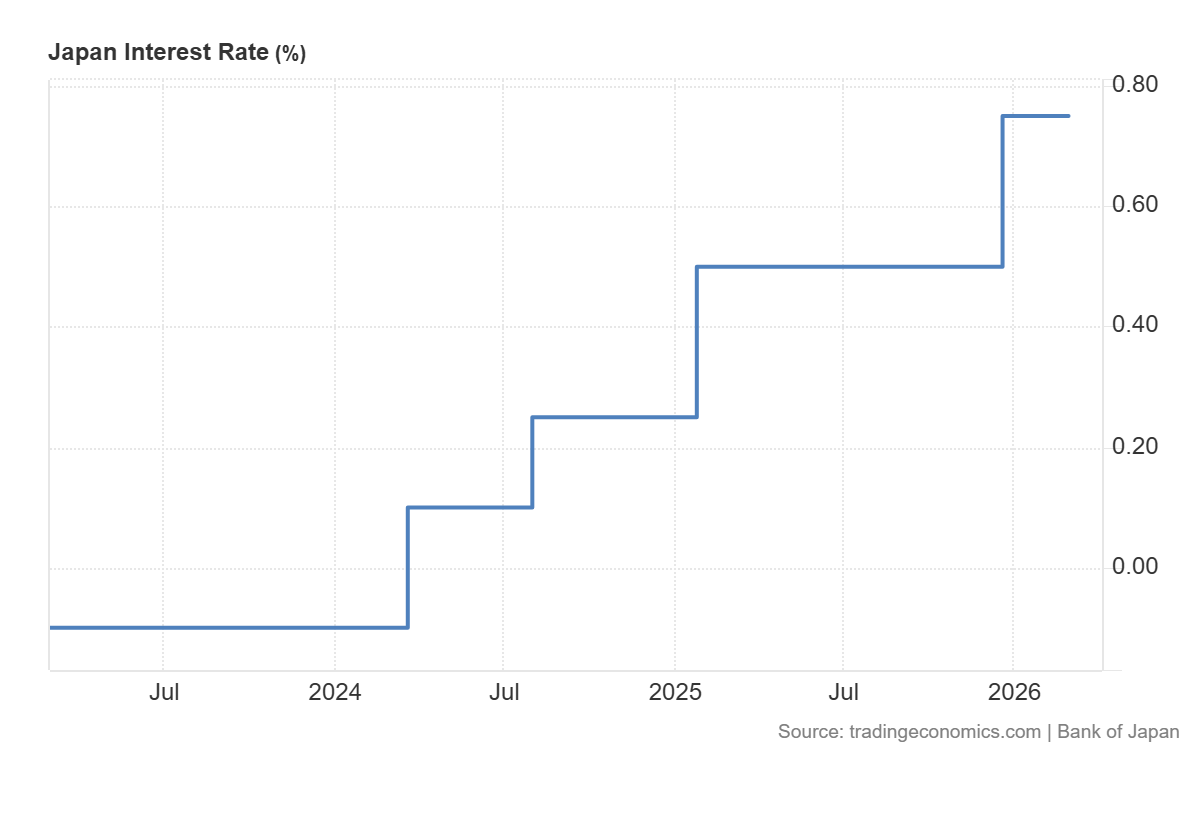
- Gradual BOJ policy transition: The BOJ continued to step away from ultra-easy settings, but tightening was generally cautious. Markets largely priced a slow, conditional normalisation, which helped limit downside, even as policy headlines created bouts of volatility.
- Corporate governance reforms: Ongoing improvements in capital efficiency and shareholder returns supported interest from overseas investors. Share buybacks, stronger balance-sheet discipline and improved return on equity (ROE) contributed to re-rating in parts of the market.
- Global cyclical exposure: The Nikkei moved with shifts in global manufacturing sentiment and expectations for US growth, particularly during risk-on phases associated with AI-related capital spending.
Current state
After pushing to multi-decade highs earlier in the year, the Nikkei spent time consolidating but has remained structurally strong. Price sits above key long-term moving averages, and some technicians watch the 50-day exponential moving average (EMA) as a potential reference level (noting these indicators can be unreliable). Currency swings and shifting BOJ expectations were commonly cited as contributors to much of the second-half volatility, although pullbacks were generally met with buying interest.
What to watch in January for Japan
- JPY volatility: Sharper yen moves, especially if driven by BOJ or Federal Reserve expectations, could quickly change exporter earnings assumptions.
- BOJ communication: Small changes in language on inflation persistence or bond market operations may move sentiment.
- Global growth data: US and China manufacturing and trade prints remain key inputs for an externally focused economy.


2025 has seen a material decline in the fortunes of the greenback. A technical structure breakdown early in the year was followed by a breach of the 200-day moving average (MA) at the end of Q1. The index then entered correction territory, printing a three-year low at the end of Q2.
Since then, we have seen attempts to build a technical base, including a re-test of the end-of-June lows in mid-September. However, buying pressure has not been strong enough to push price back above the technically critical and psychologically important 100 level.
What the levels suggest from here
As things stand, the index remains more than 10% lower for 2025. On this technical view, the index may revisit the 96 area. However, technical levels can fail and outcomes depend on multiple factors.
US dollar index

The key question for 2026
The key question remains: are we likely to see further losses in the early part of next year and beyond, or will current support hold?
We cannot assess the US dollar in isolation and any outlook is shaped by internal and global factors, not least its relative strength versus other major currencies. Many of these drivers are interrelated, but four potential headwinds stand out for any US dollar recovery. Collectively, they may keep downside pressure in play.
Four headwinds for any US dollar recovery
1. The US dollar as a safe-haven trade
One scenario where US dollar support has historically been evident is during major global events, slowdowns and market shocks. However, the more muted response of the US dollar during risk-off episodes this year suggests a shift away from the historical norm, with fewer sustained US dollar rallies.
Instead, throughout 2025, some investors appeared to favour gold, and at other times, FX and even equities, rather than into the US dollar. If this change in behaviour persists through 2026, it could make recovery harder, even if global economic pressure builds over the year ahead.
2. US versus global trade
Trade policy is harder to measure objectively, and outcomes can be difficult to predict. That said, trade battles driven by tariffs on US imports are often viewed as an additional potential drag on the US dollar.
The impact may be twofold if additional strain is placed on the US economy through:
- a slowdown in global trade volumes as impacted countries seek alternative trade relationships, with supply chain distortions that may not favour US growth
- pressure on US corporate profit margins as tariffs lift costs for importers
3. Removal of quantitative tightening
The Fed formally halted its balance sheet reduction, quantitative tightening (QT), as of 1 December 2025, ending a program that shrank assets by roughly US$2.4 trillion since mid-2022.
Traditionally, ending QT is seen as marginally negative for the US dollar because it stops the withdrawal of liquidity, can ease global funding conditions, and may reduce the scarcity that can support dollar demand. Put simply, more dollars in the system can soften the currency’s support at the margin, although outcomes have varied historically and often depend on broader financial conditions.
4. Interest rate differential
Interest rate differential (IRD) is likely to be a primary driver of US dollar strength, or otherwise, in the months ahead. The latest FOMC meeting delivered the expected 0.25% cut, with attention on guidance for what may come next.
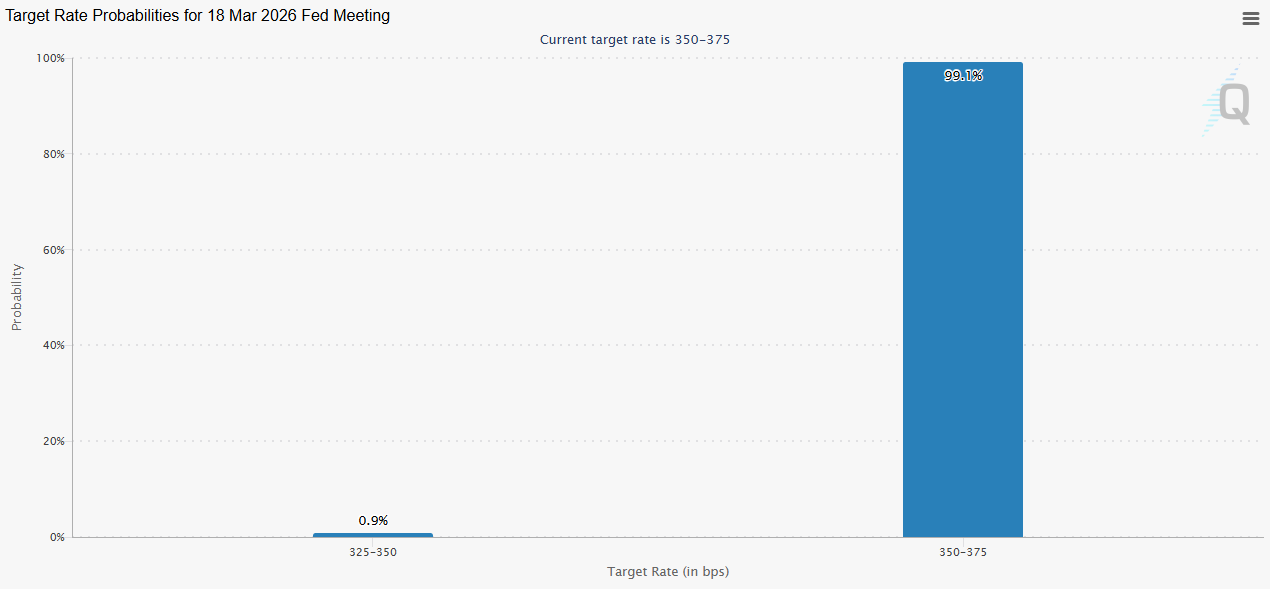
Even after a softer-than-expected CPI print, markets have been reluctant to price aggressive near-term easing. At the time of writing, less than a 20% chance of a January cut is priced in, and it may be March before we see the next move.
The Fed is balancing sticky inflation against a jobs market under pressure, with the headline rate back at levels last seen in 2012. The practical takeaway is that a more accommodative stance may add to downward pressure on the US dollar.
Current expectations imply around two rate cuts through 2026, with the potential for further easing beyond that, broadly consistent with the median projections shown in the chart below. These are forecasts rather than guarantees, and they can shift as economic data and policy guidance evolve.


As the final trading days of December approach, investors are assessing whether seasonal factors may again influence year-end price action.
- The Santa Claus rally has delivered gains in 70 of the past 97 years, but history is no guarantee.
- Technology, retail, and consumer discretionary sectors have historically led with 1.9-2.1 per cent average gains during the Christmas period.
- Recent market rallies, AI weariness, and a hawkish Fed put doubts around the Santa Rally.
The seven-day Santa rally window runs from 24 December through 5 January 2026.
This period has historically outperformed average market conditions, driven by holiday optimism, thin trading volumes, year-end bonus spending, tax-loss completions, and institutional portfolio rebalancing.

5 assets in focus this Christmas
1. Technology stocks
Technology stocks have historically been standout performers during the Santa rally period, averaging gains of 2.1 per cent across the seven-day window, although results vary significantly year to year.
The Nasdaq Composite typically posts stronger returns than broader indices, with an 82 per cent historical win rate for December-January performance.
However, tech stocks do currently face a challenging setup. The Nasdaq gained 19 per cent year-to-date (YTD) but has come under pressure in recent months, with AI-related stocks experiencing sentiment dips.
Key drivers:
- E-commerce momentum: Black Friday 2025 spending hit a record US$11.8 billion, with sustained demand through December as last-minute purchases drive revenue for Amazon and digital payment processors.
- Holiday infrastructure: Cloud computing, semiconductors, and digital payments capture the backend of holiday spending surges, benefiting from both retail transactions and year-end enterprise spending.
- Concentration risk: Five companies (Nvidia, Microsoft, Apple, Alphabet, Amazon) account for 30 per cent of major index returns. Down periods for these companies, as seen during recent AI-sentiment-driven volatility, could bring down the sector as a whole.
2. Gold
Gold enters one of its strongest seasonal periods from mid-December through February, having posted gains every year since 2015 during this window.
The gold price is maintaining strength throughout December despite the dollar's resilience, positioning well as the Christmas jewellery season peaks.
Key drivers:
- Seasonal jewellery demand: Approximately two-thirds of annual gold production flows into jewellery fabrication. Christmas, Lunar New Year (February 2026), and the Indian wedding season create regular buying patterns as merchants stock up in December.
- Dollar weakness patterns: December has historically been the dollar's weakest month, with negative bias from 22 December onwards. Gold's inverse correlation to the dollar could provide upside momentum during this period.
- Real yields environment: With the Fed cutting rates to 3.5-3.75 per cent while inflation remains around 3 per cent, real yields stay relatively low, potentially supporting higher gold valuations.
- Central bank accumulation: Continued central bank purchases and year-end institutional portfolio rebalancing could provide additional support.
3. EUR/USD
December has historically been the most bullish month for EUR/USD, with the world's most-traded currency pair posting an average return of +1.2 per cent over the past 50 years.
The US dollar regularly shows clear weakness during the Santa rally period, particularly from 22 December onwards. However, the Fed's hawkish rate cut has provided some dollar support this year.
Key drivers:
- Holiday liquidity dynamics: Lower institutional trading volumes during the holiday period reduce dollar support as retail traders and smaller participants dominate. Thin markets can amplify moves in either direction.
- Year-end rebalancing: European and Asian investors often repatriate funds or rebalance portfolios at year-end, creating demand for non-dollar currencies that typically support EUR and AUD against USD.
- Dollar strength from hawkish Fed: The Fed's December rate cut came with guidance of fewer cuts in 2026. This has kept the dollar elevated despite lower rates, possibly limiting the ability of EUR/USD seasonal patterns to influence the market.
4. Retail stocks
Consumer discretionary and retail stocks historically outperform during the holiday period, with the sector averaging 1.9-2.1 per cent gains during the Santa rally window. Holiday shopping accounts for 30-40 per cent of annual retail revenue for many companies, making this period crucial for full-year performance.
Key drivers:
- Record holiday traffic: A record 202.9 million consumers shopped during the Thanksgiving-Cyber Monday weekend, up from 197 million in 2024. November spending surged 3.8 per cent year-over-year, with total holiday spending projected to exceed US$1 trillion for the first time.
- High-income shoppers trend: Value-oriented retailers (TJX, Five Below) and those with strong omnichannel presence are capturing a disproportionate share of value over retailers targeting low-middle income earners.
- Post-Fed tailwind: The December rate cut provides marginal relief through lower borrowing costs, potentially extending holiday spending into late December as credit becomes more accessible.
5. Bitcoin
Bitcoin's December performance has been highly inconsistent, with a median return of -3.2 per cent, contrasting with traditional Santa rally patterns. Currently, Bitcoin is trading around US$87,500, down approximately 30 per cent from its October all-time high of US$126,210.
However, there are signals that the historically volatile asset could see a Santa-led bounce this year.
Key drivers:
- Institutional infrastructure in place: More than US$120 billion is now held in spot Bitcoin ETFs, which provides a framework that could support capital flows if risk sentiment improves, although inflows are not assured.
- Pro-crypto policy expectations: Discussion around potential developments such as a US strategic Bitcoin reserve and the CLARITY Act could influence sentiment going into 2026, although outcomes remain uncertain.
- Four-year cycle inflection point: The recent sell-off came roughly 18 months after the most recent Bitcoin halving, a point linked to turning points in some past cycles, with the four-year narrative potentially influencing market behaviour.
Risks to watch
- The December Fed meeting delivered a 25 basis point cut, but the hawkish tone has set expectations for fewer rate cuts in 2026.
- The Nasdaq's 19 per cent YTD gain has pushed valuations to elevated levels as AI-stock sentiment begins to dip.
- Five companies account for 30 per cent of index returns, placing portfolio concentration at concerning levels.
- Reduced holiday liquidity amplifies both moves and risks. Thin trading volumes can create exaggerated reactions to headlines, particularly around geopolitical events or economic data.
Is Santa coming to town?
The Santa Claus rally remains one of the better-known seasonal patterns in financial markets, but a historical hit rate of around 72 per cent also implies meaningful years where it does not play out.
A more balanced way to view the Santa rally window is as one input among many.
Seasonal observations can be considered alongside technical levels, fundamental drivers, and risk management — particularly given how quickly sentiment can change in thin holiday conditions.
And, if you can, take time away from the screens and enjoy the break.
Recent Articles
.jpg)
一、全球及澳大利亚金融状况概览:
在本次会议上,委员们回顾了全球及澳大利亚的金融状况。近期全球科技股估值过高引发市场波动,股票价格一度下跌后反弹,美国市场受预期宽松货币政策支撑,而澳大利亚股市下跌持续更久,反映市场对现金利率上升和部分板块估值调整。全球债市利差仍低,但部分国家公司债收益率上升。利率预期方面,美联储预计降息并延续宽松,欧洲央行维持利率,加拿大、新西兰、瑞典和澳大利亚可能上调,日本则在通胀压力下逐步加息。澳大利亚短期债券收益率上升,但澳元仅小幅升值,缓解金融紧缩压力。国内方面,抵押贷款支出高企,家庭储蓄率维持高位,信贷需求回升,企业债务占GDP比重恢复至疫情前水平,显示金融状况喜忧参半。
二、经济增长与通胀趋势:
委员们对国内经济增长与通胀趋势进行了评估。10月年度CPI升至3.8%,部分因电费补贴停止,新房成本、市场服务、耐用品及国内旅行价格均高于预期,短期通胀前景上行风险增加,但数据波动性较大,需继续观察。劳动力市场方面,失业率上升趋势已在10月得到控制,其他未充分利用劳动力指标维持低水平,企业招聘仍有困难,但工资价格指数总体稳定,公共部门工资增长抵消私营部门放缓,整体略显紧张。经济增长方面,截至9月季度GDP增速接近潜在水平,私人需求增长强劲,数据中心和住房投资为主要动力,宽松政策效果预计在2026年显现。产出缺口为正,NAB产能利用率指标显示产能约束高于历史平均水平,表明经济存在一定需求过剩。
三、货币政策考量与决策
在政策讨论中,委员们重点关注三方面:总需求略高于潜在供给,通胀风险上升但持续性仍不明;私人需求复苏将支撑劳动力需求,经济增长动力依然存在;金融环境信号分化,部分委员认为不再紧缩,部分认为仍略紧,需观察债券收益率及利率上升影响。近期CPI及成本端指标显示通胀压力上行,但短期内过度推断趋势存在风险。若通胀持续上行,未来一年可能需加息,但仍需评估金融环境和市场利率对经济的作用。本次会议决定维持现金利率目标3.60%不变,并强调将持续密切关注数据变化及经济前景,在未来会议评估政策调整必要性。董事会重申其使命,致力实现价格稳定和充分就业,并将采取一切必要措施达成目标。
总结:
本次RBA会议表示,金融状况信号分化,利率上升与汇率变动影响尚未完全显现;通胀压力上行但短期持续性不明;劳动力市场略紧,私人需求复苏支撑经济。政策暂按兵不动,未来可能加息,重点关注2026年初通胀数据及金融市场动态。
.jpg)
TradingView编程系列5:循环结构(上)
循环(Loops) 是一种结构,它会根据指定的条件反复执行一段语句块。它们允许脚本在不需要重复编写代码的情况下完成重复性的任务。Pine Script提供了三种不同的循环类型:for、while 和 for…in。
一、隐式循环
Pine Script的执行模型和时间序列结构,使得在许多情况下并不需要写出明显的循环。
当用户将一个 Pine 脚本添加到图表中时,脚本会在一个等同于“大循环”的环境中运行:它会在可用数据中的每一根历史 K 线以及每一个实时 tick 上各执行一次代码。脚本可以通过历史引用运算符(history-referencing operator)访问之前 K 线上的执行结果;而通过使用 var 或 varip 关键字声明的变量,其计算结果可以在多次执行之间保持不变。这些特性使脚本能够通过逐 K 线(bar-by-bar)的计算来完成各种任务,而无需依赖显式的循环。
下面我们来看一个简单的示例,说明在 Pine Script 中不必要地使用循环的情况。

下面按逐行解释这段 Pine Script 代码的含义和执行逻辑:
首先,声明这是一个指标脚本(indicator)。test是指标在图表上显示的名称。overlay = true 表示该指标绘制在主价格图表上。
其次,声明一个整数类型变量名为lengthInput的变量。input.int()为创建一个用户可在参数设置中修改的整数输入项,其中默认值为 20 根 K 线。在参数面板中显示的名称为length。
接下来,再声明一个初始化变量为 0,浮点数类型的变量closeSum。注意,由于没有使用 var 关键字,在每一根 K 线上脚本执行时,closeSum 都会被重新置为 0。
然后进入for循环,对最近的 lengthInput 根 K 线进行循环,将每根 K 线的收盘价累加到 closeSum。在循环体中,把最近 lengthInput 根 K 线的收盘价逐一相加。
再之后,用收盘价总和除以 K 线数量,计算平均值,保存到变量avgClose中。
最后,将数据画成线,其中"Average close"为图例名称,线条颜色为橙色,线条宽度为2。
总结来说,这段代码就是用for循环计算并绘制最近 lengthInput 根 K 线的收盘价平均值。
其实,这个示例的重点在于演示 “不必要的循环”,在 Pine Script 中,这种均值计算可以直接使用内置函数ta.sma,例如:
avgClose = ta.sma(close, lengthInput)
二、显性循环
尽管 Pine 的执行模型、时间序列结构以及可用的内置函数在许多情况下都能消除对循环的需求,但并非所有迭代任务都可以不用循环。在以下几类任务中,循环是必不可少的:
- 遍历或操作集合(如数组、矩阵和映射)
- 执行无法通过无循环表达式或现有内置函数完成的计算
- 回溯历史数据以分析过去的 K 线,而比较所需的参考值仅在当前 K 线上才可用
例如,要判断哪些过去的 K 线的最高价(high)高于当前 K 线的最高价,就必须使用循环。
这是因为:当前 K 线的数值在脚本运行于之前的历史 K 线时是无法获取的。脚本只能在执行到当前 K 线时访问该 K 线的数值,并且必须在这次执行过程中向后回溯历史序列,将之前的数值与当前值进行比较。
例如,下面的脚本使用 for 循环,将之前 lengthInput 根 K 线的最高价与最后一根历史 K 线的最高价进行比较。在循环中,它调用 label.new(),在每一根最高价高于最后一根历史 K 线最高价的过去 K 线上方绘制一个圆形标签:

首先,声明这是一个名为test2的指标脚本。此脚本允许最多绘制 500 个label,否则在绘制大量标签时会触发限制错误。然后设置lengthInput变量,该变量表示要拿多少根过去的 K 线的最高价(high),来和最后一根历史 K 线的最高价比较,1和500为允许输入的最小值和最大值。
接下来,判断当前是否是最后一根已确认的历史 K 线。barstate.islastconfirmedhistory在历史数据的最后一根 K 线时返回 true,在实时 K 线或更早的历史 K 线上返回 false。
在最后一根历史K线的最高价位置画一条水平虚线。其中line.new的前四个参数分别为起点横坐标,起点纵坐标,终点横坐标,终点纵坐标。
接下来进入For循环,首先判断过去某根 K 线的最高价 > 当前(最后历史)K 线的最高价,如果高于,则紫色圆形标签自动绘制在 K 线柱的上方。
最后一行代码,使用三元运算符判断给最后一根历史 K 线上色高亮。如果是最后一根历史 K 线,则为橙色,否则不改变颜色。

可以看到,当我们将长度参数设置为 60 后,图表中会在最高价高于当前 K 线最高价的历史 K 线上方显示紫色圆点,同时还会绘制一条表示当前 K 线最高价的水平虚线,用于直观地标示该参考价位。
综上所述,本文通过示例对比说明了 Pine Script 中“不必要循环”和“必须使用循环”的典型场景。合理理解 Pine 的执行模型,优先使用内置函数,可以提升脚本的简洁性与性能;而在需要基于当前 K 线回溯并分析历史数据时,循环则不可或缺。掌握循环的正确使用方式,有助于编写更高效、清晰且功能强大的 Pine Script 脚本。

What moved the ASX 200 in 2025?
In 2025, the ASX 200 closed around 8,621 points and was up approximately 6% year to date (YTD) as of 19 December close. Market direction was most sensitive to Reserve Bank of Australia (RBA) expectations, commodity prices and China-linked demand, and (to a lesser extent) moves in the Australian dollar (AUD). The index recovered from November’s pullback, but remained below October’s record close.
Key 2025 drivers included:
- RBA policy expectations: Sentiment was shaped by shifting views on the timing and extent of rate moves. The November pullback reflected repricing towards a longer pause and higher uncertainty around whether the next move could be a hike rather than a cut, particularly as jobs and inflation data surprised.
- Resources and China sensitivity: With a meaningful resources weight, the index responded to iron ore stability, strong gold prices and relative firmness in base metals. China data and any perceived policy support (including signals from the People’s Bank of China (PBOC)) remained important for the export backdrop. A relatively stable AUD also reduced currency-related noise for exporters.
- Index composition and market structure: The ASX 200’s heavier tilt to materials and banks, and lower exposure to high-growth technology, meant it often lagged tech-led global rallies, but tended to hold up better when AI and growth valuations were questioned.
- Corporate earnings: Reporting season outcomes influenced valuation support. In September’s half-year reporting season, around 33% of ASX 200 companies beat expectations, which helped underpin pricing around current levels.
Current state
The ASX 200 was roughly 5% below its late-October record high close of 9,094 points. After the November retracement, support around 8,400 appeared to hold and buying interest improved. The 50-day EMA near 8,730 (a prior consolidation area) was a commonly watched near-term reference, noting technical indicators can be unreliable.
What to watch in January
- China and commodity demand: Growth, trade and any fresh stimulus inference from the PBOC may affect sentiment.
- Domestic inflation and labour data: CPI and jobs prints are key inputs into RBA expectations.
- Key levels and follow-through: The post-November rebound may need continued demand to sustain momentum.

What moved the Nikkei 225 in 2025?
In 2025, the Nikkei 225 traded around 39,200 points and was up approximately 21% year to date (YTD). Market direction was most sensitive to moves in the Japanese yen (JPY) and Bank of Japan (BOJ) communication, with the index consolidating after multi-decade highs. While broader signals remained constructive, consolidation can resolve either higher or lower.
Key influences included:
- JPY movements and earnings translation: A weaker JPY can boost the reported value of overseas earnings for some exporters, although it may also increase input and import costs. The net impact often depends on company hedging practices and varies by sector, with effects most evident in export-heavy industries such as automotive, industrials and parts of technology manufacturing.
- Gradual BOJ policy transition: The BOJ continued to step away from ultra-easy settings, but tightening was generally cautious. Markets largely priced a slow, conditional normalisation, which helped limit downside, even as policy headlines created bouts of volatility.
- Corporate governance reforms: Ongoing improvements in capital efficiency and shareholder returns supported interest from overseas investors. Share buybacks, stronger balance-sheet discipline and improved return on equity (ROE) contributed to re-rating in parts of the market.
- Global cyclical exposure: The Nikkei moved with shifts in global manufacturing sentiment and expectations for US growth, particularly during risk-on phases associated with AI-related capital spending.
Current state
After pushing to multi-decade highs earlier in the year, the Nikkei spent time consolidating but has remained structurally strong. Price sits above key long-term moving averages, and some technicians watch the 50-day exponential moving average (EMA) as a potential reference level (noting these indicators can be unreliable). Currency swings and shifting BOJ expectations were commonly cited as contributors to much of the second-half volatility, although pullbacks were generally met with buying interest.
What to watch in January for Japan
- JPY volatility: Sharper yen moves, especially if driven by BOJ or Federal Reserve expectations, could quickly change exporter earnings assumptions.
- BOJ communication: Small changes in language on inflation persistence or bond market operations may move sentiment.
- Global growth data: US and China manufacturing and trade prints remain key inputs for an externally focused economy.