The Loonie Best Performing G10 Currencies After a tight campaign marred by scandals, Justin Trudeau secured another term as Prime Minister. Unlike a clear win in 2015, the Prime Minister did not pass the threshold of 170 seats and will lead a minority government. The governing party will be forced to depend on other parties to pass legislation.
The voting results show deep divisions in the country: The Liberals won in terms of seat numbers. The Conservatives won 121 seats in Parliament compared with 99 in 2015 and have won the popular votes claiming 34.4% over the Liberals’ 33%. Bloc Quebecois was a huge win as they gained 22 seats.
The outcome of the election is unlikely going to drastically change the dynamics in the Canadian markets. On a broader level, there are layers of similarities between the agendas of the different political parties which will help to reduce the uncertainties that generally arises from election results. However, the Liberals governing as a minority government will rely on smaller parties to push legislation which will be challenging.
In the money markets, the Canadian dollar was trading near three-months high against its US counterpart on the Liberals win. The loonie has been on an upswing this year backed mostly by strong economic data and is currently the best performing G10 currencies: Source: Bloomberg Terminal Canada's Economy The Canadian economy outperformed its rivals which allowed the Bank of Canada to keep its benchmark interest rate steady at 1.75% while other central banks have cut their own rates in response to the global backdrop. Employment Employment rose by 54,000 in September driven by gains in full-time work while the unemployment rate declined by 0.2% to 5.5%.
The growth was mostly seen in the self-employment and public sector employees. Source: Bank of Canada Wage Growth The Average Hourly Wage Rate year-on-year in September jumped to 4.25% and marked the strongest month in a decade. Source: Bloomberg Terminal The Wage-common, a wage measure that the Bank of Canada uses to capture the underlying wage pressures reflecting the common trend across data sources rose to 2.7% in the second quarter in 2019.
Source: Bank of Canada Inflation The Bank of Canada aims to keep inflation at the 2% midpoint of an inflation-control target range of 1% to 3%. The recent annual inflation rate stood steady at 1.9% but fell low of market expectations of 2.1%. However, inflation remains close to or on target since March 2019.
Business Outlook Survey The Business Outlook Survey indicator rose to 0.40 which shows a slight improvement in overall sentiment. However, due to the challenges in the energy sector, the sentiment in Prairies remain predominantly negative. The Loonie While major central banks have been cutting interest rates, the BoC has been reluctant to do so despite the global downturn because of the sound economic environment.
The Canadian dollar has been on the rise and has retained the number 1 spot among the G10 currencies against the US dollar. After the election, the prospects of growth-boosting fiscal policies combined with a resilient economy may keep the BoC on the sidelines. If there is a coalition between the Liberals and the NDP, there could be a much larger fiscal spending than originally expected.
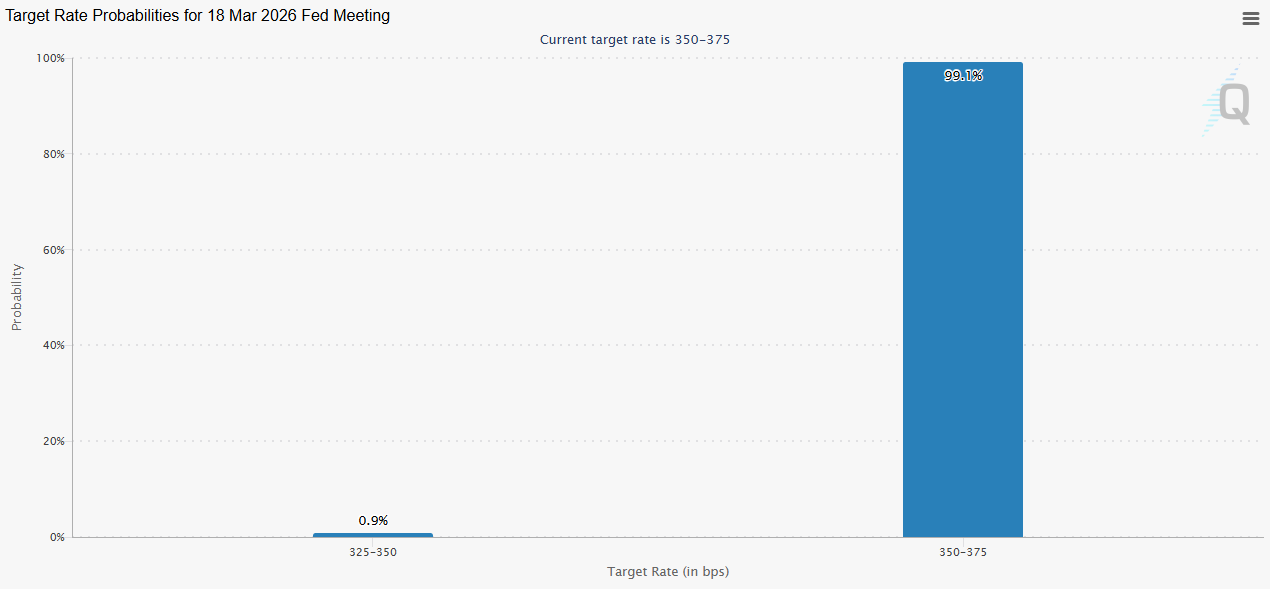
Tax cuts would also help to boost consumer spending. Investors are expecting further divergence between the Fed and the BoC. While the BoC is expected to keep its interest rate on hold this year and until late 2020, the Fed is widely expected to cut rates.
In the short-term, we expect the loonie to benefit from the rate divergence and the fiscal boost. In the medium-term, the Canadian dollar may weaken as the effective implementation of the fiscal expansionary policy will lower the Canadian exchange rate. See our introduction to forex for more information, including currency trading for beginners here.
By
GO Markets
The information provided is of general nature only and does not take into account your personal objectives, financial situations or needs. Before acting on any information provided, you should consider whether the information is suitable for you and your personal circumstances and if necessary, seek appropriate professional advice. All opinions, conclusions, forecasts or recommendations are reasonably held at the time of compilation but are subject to change without notice. Past performance is not an indication of future performance. Go Markets Pty Ltd, ABN 85 081 864 039, AFSL 254963 is a CFD issuer, and trading carries significant risks and is not suitable for everyone. You do not own or have any interest in the rights to the underlying assets. You should consider the appropriateness by reviewing our TMD, FSG, PDS and other CFD legal documents to ensure you understand the risks before you invest in CFDs. These documents are available here.
免责声明:文章来自 GO Markets 分析师和参与者,基于他们的独立分析或个人经验。表达的观点、意见或交易风格仅代表作者个人,不代表 GO Markets 立场。建议,(如有),具有“普遍”性,并非基于您的个人目标、财务状况或需求。在根据建议采取行动之前,请考虑该建议(如有)对您的目标、财务状况和需求的适用程度。如果建议与购买特定金融产品有关,您应该在做出任何决定之前了解并考虑该产品的产品披露声明 (PDS) 和金融服务指南 (FSG)。

FX markets enter an important window with a Federal Reserve policy decision and press conference, US ISM activity data, German inflation releases, China PMIs, and Australian labour figures all due.
Quick facts
The upcoming Fed policy decision and press conference are closely watched for guidance on the potential timing of rate cuts, with implications for US Treasury yields and USD direction.
Broad USD selling has intensified over the last 48 hours. The move has coincided with renewed tariff rhetoric and heightened sensitivity to FX intervention narratives.
ISM Manufacturing PMI is scheduled for Monday, 2 February, with ISM Services PMI on Wednesday, 4 February, providing timely insight into US growth momentum.
German CPI, euro area GDP and unemployment, China PMIs, and Australian labour data provide regional context, particularly for EUR and AUD crosses.
USD/JPY
What to watch
The Federal Reserve decision and subsequent press conference are key events influencing US Treasury yields.
Any shift in tone around inflation progress, economic risks, or rate cut timing expectations may affect yield differentials and near-term USD sensitivity.
Recent broad USD weakness, reinforced by tariff-related headlines and intervention sensitivity, has added downside pressure to the USD.
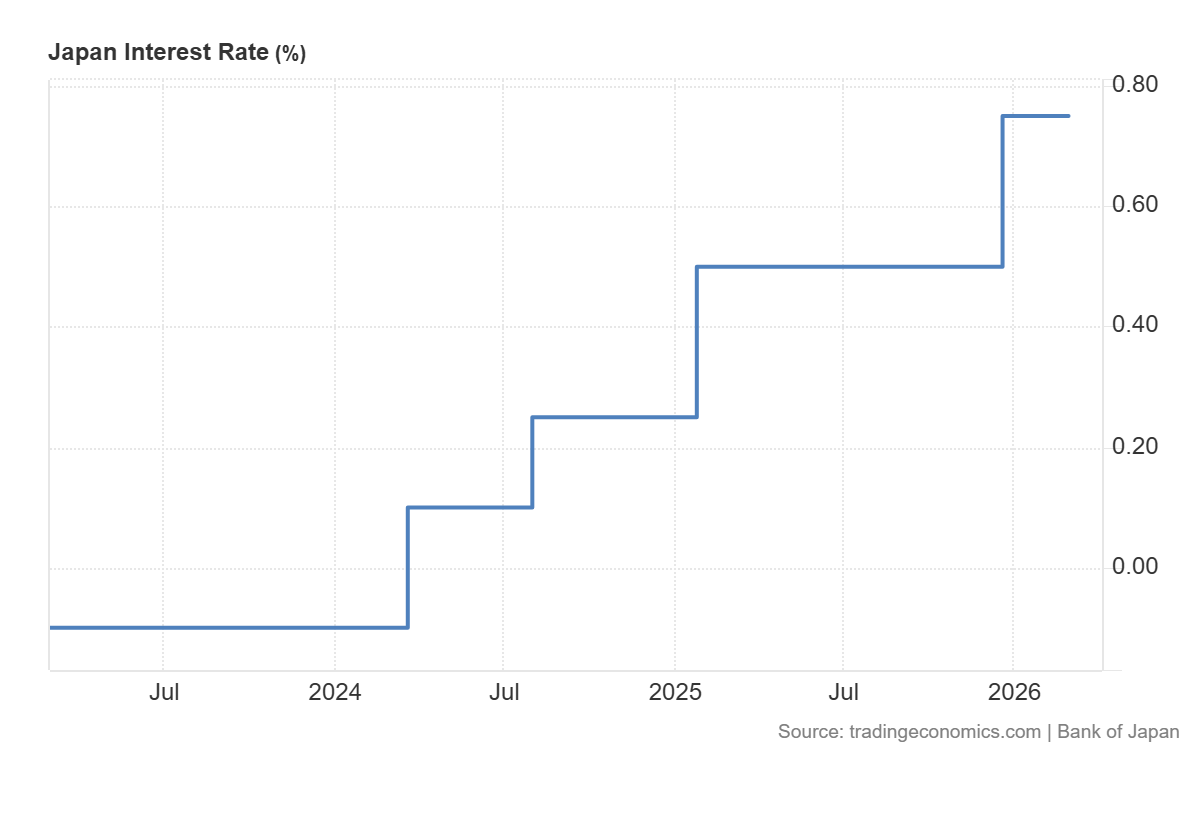
On the JPY side, Japan inflation signals, including Tokyo CPI, are relevant as indicators of domestic price trends and potential policy direction.
Key releases and events
Thu 30 Jan: Japan Tokyo CPI (January)
Thu 30 Jan: Federal Reserve policy decision and press conference
Mon 2 Feb: US ISM Manufacturing PMI
Wed 4 Feb: US ISM Services PMI
Technical snapshot
USDJPY has broken lower from its recent consolidation zone, with downside range evident over the last 48 hours. Price has moved down to the 200-exponential moving average (EMA) and is testing a level not seen since October 2025.
USDJPY 1-day chart
EUR/USD
What to watch
The Fed decision and press conference may influence EUR/USD primarily through USD moves linked to Treasury yield reactions.
On the EUR side, German CPI will show inflation trends, while euro area flash GDP and unemployment data inform the regional growth outlook.
Key releases and events
Thu 29 Jan: Germany CPI (preliminary)
Thu 29 Jan: Eurozone flash GDP, Q4 2025
Thu 30 Jan: Federal Reserve decision and press conference
Fri 30 Jan: Eurozone unemployment rate
Technical snapshot
EURUSD has extended above a prior resistance level, with expanded daily ranges and strong momentum. Price action in other USD crosses suggests the move may be reflecting USD weakness, rather than a material shift in euro area fundamentals.
EURUSD 1-day chart
EUR/AUD
What to watch
Alongside euro area growth numbers, Australian employment data may influence near-term EUR/AUD sensitivity ahead of the RBA policy decision next week.
China's official PMIs remain relevant, as shifts in Chinese activity expectations can influence AUD via commodity demand and regional risk sentiment.
Key releases and events
Thu 29 Jan: Australia Labour Force, Detailed (Dec 2025), 11:30am AEDT
Fri 31 Jan: China official Manufacturing and Non-Manufacturing PMIs
Tue 4 Feb: RBA policy decision
Technical snapshot
EUR/AUD has decisively broken below its prior support zone, with price now testing levels not seen since April 2025. Momentum remains negative, consistent with a renewed downside phase rather than consolidation.
EURAUD 1-day chart
Bottom line
The Fed decision and press conference, US PMI data, German inflation releases, China PMIs, and Australian labour figures are clustered in a short window.
Markets will be watching whether the USD weakness evident over the last 48 hours extends further.
FX markets face a data-heavy period in the coming days, led by US inflation releases and late-week flash purchasing managers’ indexes (PMIs).
Regional data and central bank expectations in Japan, Europe, and Australia may influence cross-currency moves, particularly if outcomes differ from expectations.
Quick facts:
US Personal Income and Outlays is a key inflation release this week, closely watched by policymakers.
Flash PMIs across the US, Eurozone, Germany, and the UK offer a timely read on growth momentum.
Australian data, including labour market indicators, remains important for AUD sensitivity and Reserve Bank of Australia (RBA) expectations.
FX markets can be sensitive when data outcomes differ from expectations.
USDJPY
What to watch
US attention centres on inflation and activity data, particularly the Personal Income and Outlays report and the PCE price index, alongside late-week flash manufacturing and services PMIs.
These releases are closely followed by markets for their potential influence on rate expectations and USD sensitivity.
On the JPY side, Bank of Japan (BoJ) developments remain relevant, although US data has often been a key driver of recent moves.
Key releases and events
Fri 23 Jan (US): US Personal Income and Outlays (including PCE inflation)
Fri 23 Jan (US): Manufacturing and services PMI
Technical snapshot
USDJPY continues to trade above its rising 200-day moving average, with recent daily candles showing greater overlap and smaller ranges over recent weeks.
Price has remained above the long-term average since late September, with higher swing lows still visible.
Momentum appears to have moderated since early January, consistent with slowing follow-through rather than reversal.
Daily ranges have narrowed compared with the October to November advance, again suggesting short-term consolidation.
Eurozone flash PMIs and Germany producer price index (PPI) data provide insights into regional growth momentum and whether inflation pressures are building.
While these releases may influence immediate EUR sentiment, EURUSD continues to trade in the broader context of US data outcomes and global risk conditions.
EURUSD is trading above its rising 200-day moving average (daily chart), although price action since July suggests the market has become more range-bound rather than directional, following the advances in the first half of 2025.
The broader upward structure has been in place since the beginning of 2025, although progress higher has stalled over recent months.
Momentum readings have drifted toward neutral since late November, consistent with balanced conditions.
Average daily range has continued to compress since July, consistent with a flattening of the trend.
Australian labour market data remains central for AUD sensitivity and RBA expectations. UK CPI is also due this week, which may contribute to cross volatility, particularly if it shifts expectations around the UK rates outlook.
Late-week PMI releases can also influence short-term direction, especially where they add to or challenge the current growth narrative.
Key releases and events
Wed 21 Jan: UK CPI
Thu 22 Jan: Australia Labour Force, Australia (December 2025)
Fri 23 Jan: UK flash PMIs (manufacturing and services)
Technical snapshot
GBPAUD continues to trade below its long-term moving average, with price action remaining in a downside direction since late November.
The long-term average flattened through September and has turned lower since October, with the price remaining below and showing recent signs of a greater gap between the price and the moving average.
Momentum has remained below neutral over recent months, with any retracements to the upside showing limited follow-through.
Daily ranges have narrowed compared with earlier swings, suggesting a consistent but controlled drop in price rather than impulsive movement.
With multiple data releases due across key regions, FX markets may remain sensitive to outcomes that differ from expectations.
Existing technical conditions suggest that reactions may vary by pair, with some markets consolidating while others could retain recent directional characteristics.
Asia starts the week with a fresh geopolitical shock that is already being framed in oil terms, not just security terms. The first-order move may be a repricing of risk premia and volatility across energy and macro, while markets wait to see whether this becomes a durable physical disruption or a fast-fading headline premium.
At a glance
What happened: US officials said the US carried out “Operation Absolute Resolve”, including strikes around Caracas, and that Venezuela’s President Nicolás Maduro and his wife were taken into US custody and flown to the United States (subject to ongoing verification against the cited reporting).
What markets may focus on now: Headline-driven risk premia and volatility, especially in products and heavy-crude-sensitive spreads, rather than a clean “missing barrels” shock.
What is not happening yet: Early pricing has so far looked more like a headline risk premium than a confirmed physical supply shock, though this can change quickly, with analysts pointing to ample global supply as a possible cap on sustained upside.
Next 24 to 72 hours: Market participants are likely to focus on the shape of the oil “quarantine”, the UN track, and whether this stays “one and done” or becomes open-ended.
Australia and Asia hook: AUD as a risk barometer, Asia refinery margins in diesel and heavy, and shipping and insurance where the price can show up in friction before it shows up in benchmarks.
What happened, facts fast
Before anyone had time to workshop the talking points, there were strikes, there was a raid, and there was a custody transfer. US officials say the operation culminated in Maduro and his wife being flown to the United States, where court proceedings are expected.
Then came the line that turned a foreign policy story into a markets story. President Trump publicly suggested the US would “run” Venezuela for now, explicitly tying the mission to oil.
Almost immediately after that came a message-discipline correction. Secretary of State Marco Rubio said the US would not govern Venezuela day to day, but would press for changes through an oil “quarantine” or blockade.
That tension, between maximalist presidential rhetoric and a more bureaucratically describable “quarantine”, is where the uncertainty lives. Uncertainty is what gets priced first.
Source: Adobe images
Why this is price relevant now
What’s new versus known for positioning
What’s new, and price relevant, is that the scale and outcome are not incremental. A major military operation, a claimed removal of Venezuela’s leadership from the country, and a US-led custody transfer are not the sort of things markets can safely treat as noise.
Second, the oil framing is explicit. Even if you assume the language gets sanded down later, the stated lever is petroleum. Flows, enforcement, and pressure via exports.
Third, the embargo is not just a talking point anymore. Reporting says PDVSA has begun asking some joint ventures to cut output because exports have been halted and storage is tightening, with heavy-crude and diluent constraints featuring prominently.
What’s still unknown, and where volatility comes from
Key unknowns include how strict enforcement is on water, what exemptions look like in practice, how stable the on-the-ground situation is, and which countries recognise what comes next. Those are not philosophical questions. Those are the inputs for whether this is a temporary risk premium or a durable regime shift.
Political and legal reaction, why this drives tail risk
The fastest way to understand the tail here is to watch who calls this illegal, and who calls it effective, then ask what those camps can actually do.
Internationally, reaction has been fast, with emphasis on international law and the UN Charter from key partners, and UN processes in view. In the US, lawmakers and commentators have begun debating the legal basis, including questions of authority and war powers. That matters for markets because it helps define whether this is a finite operation with an aftershock, or the opening chapter of a rolling policy regime that keeps generating headlines.
Market mechanism, the core “so what”
Here’s the key thing about oil shocks. Sometimes the headline is the shock. Sometimes the plumbing is the shock.
Venezuela’s heavy-crude system: Orinoco production, key pipelines, and export/refining bottlenecks.
Volumes and cushion
Venezuela is not the world’s swing producer. Its production is meaningful at the margin, but not enough by itself to imply “the world runs out of oil tomorrow”. The risk is not just volume. It is duration, disruption, and friction.
The market’s mental brake is spare capacity and the broader supply backdrop. Reporting over the weekend pointed to ample global supply as a likely cap on sustained gains, even as prices respond to risk.
Quality and transmission
Venezuela’s barrels are disproportionately extra heavy, and extra heavy crude is not just “oil”. It is oil that often needs diluent or condensate to move and process. That is exactly the kind of constraint that shows up as grade-specific tightness and product effects.
Reporting has highlighted diluent constraints and storage pressure as exports stall. Translation: even if Brent stays relatively civil, watch cracks, diesel and distillates, and any signals that “heavy substitution” is getting expensive.
Heavy-light spread as a stress gauge: rising differentials can signal costly substitution and tighter heavy supply.
Products transmission, volatility first, pump later
If crude is the headline, products are the receipt, because products tell you what refiners can actually do with the crude they can actually get. The short-run pattern is usually: futures reprice risk fast, implied volatility pops; physical flows adapt more slowly; retail follows with a lag, and often with less drama than the first weekend of commentary promised.
For Australia and Asia desks, the bigger point is transmission. Energy moves can influence inflation expectations, which can feed into rates pricing and the dollar, and in turn affect Asia FX and broader risk, though the links are not mechanical and can vary by regime.
Some market participants also monitor refined-product benchmarks, including gasoline contracts such as reformulated gasoline blendstock, as part of that chain rather than as a stand-alone signal.
Historical context, the two patterns that matter
Two patterns matter more than any single episode.
Pattern A: scare premium. Big headline, limited lasting outage. A spike, then a fade as the market decides the plumbing still works.
Pattern B: structural. Real barrels are lost or restrictions lock in; the forward curve reprices; the premium migrates from front-month drama to whole-curve reality.
One commonly observed pattern is that when it is only premium, volatility tends to spike more than price. When it is structural, levels and time spreads move more durably.
The three possible market reactions
Contained, rhetorical: quarantine exists but porous; diplomacy churns; no second-wave actions. Premium bleeds out; volatility mean-reverts.
Escalation, prolonged control risk: “not governing” language loses credibility; repeated operations; allies fracture further. Longer-duration premium; broader risk-off impulse across FX and rates.
Australia and Asia angle
For Sydney, Singapore, and Hong Kong screens, this is less about Venezuelan retail politics and more about how a Western Hemisphere intervention bleeds into Asia pricing.
AUD is the quick and dirty risk proxy. Asia refiners care about the kind of oil and the friction cost. Heavy crude plus diluent dependency makes substitution non-trivial. If enforcement looks aggressive, the “price” can show up in freight, insurance, and spreads before it shows up in headline Brent.
Catalyst calendar, key developments markets may monitor
US policy detail: quarantine rules, enforcement posture, exemptions.
UN and allies: statements that signal whether this becomes a long legitimacy fight.
Three data levers dominate the US markets in February: growth, labour and inflation. Beyond those, policy communication, trade headlines and geopolitics can still matter, even when they are not tied to a scheduled release date.
Growth: business activity and trade
Early to mid-month indicators provide a read on whether US momentum is stabilising or softening into Q1.
Key dates
Advance monthly retail sales: 10 Feb, 8:30 am (ET) / 11 Feb, 12:30 am (AEDT)
Industrial Production and Capacity Utilisation: 18 Feb, 9:15 am (ET) / 19 Feb, 1:15 am (AEDT)
International Trade in Goods and Services: 19 Feb, 8:30 am (ET) / 20 Feb, 12:30 am (AEDT)
What markets look for
Markets will be watching new orders and output trends in PMIs to gauge underlying demand momentum. Export and import data will offer insights into global trade flows and domestic consumption patterns. Traders will also assess whether manufacturing and services sectors remain in expansionary territory or show signs of contraction.
Market sensitivities
Stronger growth can be associated with higher yields and a firmer USD, though inflation and policy expectations often dominate the rate response.
Softer activity can be associated with lower yields and improved risk appetite, depending on inflation, positioning, and broader risk conditions.
Labour conditions remain a direct input into rate expectations. The monthly NFP report, alongside the weekly jobless claims released every Thursday, is typically watched for signs of cooling or renewed tightness.
Key dates
Employment Situation (nonfarm payrolls, unemployment, wages): 6 Feb, 8:30 am (ET) / 7 Feb, 12:30 am (AEDT)
What markets look for
Markets will focus on headline payrolls to assess the pace of job creation, the unemployment rate for signals of labour market slack, and average hourly earnings as a gauge of wage pressures. A gradual cooling can support the idea that wage pressures are easing. Persistent tightness may push out expectations for policy easing.
Market sensitivities
Payroll surprises frequently move Treasury yields and the USD quickly, with knock-on effects for equities and commodities.
Inflation releases remain a key input into expectations for the Fed’s policy path.
Key dates
Consumer Price Index (CPI): 11 Feb, 8:30 am (ET) / 12 Feb, 12:30 am (AEDT)
Personal Income and Outlays, including the PCE price index): 20 Feb, 8:30 am (ET) / 21 Feb, 12:30 am (AEDT)
Producer Price Index (PPI): 27 Feb, 8:30 am (ET) / 28 Feb, 12:30 am (AEDT)
What markets look for
Producer prices can act as a pipeline signal. CPI and the PCE price index can help confirm whether inflation pressures are broadening or fading at the consumer level.
How rates and the USD can react
Cooling inflation can support lower yields and a softer USD, though market reactions can vary.
Sticky inflation can keep upward pressure on yields and financial conditions, especially if it shifts policy expectations.
There is no scheduled February FOMC meeting, but speeches and other Fed communication, as well as the minutes cycle from prior meetings, can still influence expectations around the policy path. Without a decision event, markets often react to shifts in tone, or renewed emphasis on inflation persistence and labour conditions.
Trade and geopolitics
Trade flows and energy markets can remain secondary, and the risk profile is typically headline-driven rather than linked to scheduled releases.
The Office of the United States Trade Representative has published fact sheets and policy updates (including on US-India trade engagement) that may occasionally influence sector and supply-chain sentiment at the margin, depending on the substance and market focus at the time.
Separately, volatility tied to Middle East developments and any impact on energy pricing can filter into inflation expectations and bond yields. Weekly petroleum market data from the US Energy Information Administration is one input that markets often monitor for near-term signals.
Every four years, the Olympics does something markets understand very well: it concentrates attention. And when attention concentrates, so do headlines, narratives, positioning… and sometimes, price.
The Olympics isn’t just “two weeks of sport.” For traders, it’s a two-week global marketing and tourism event, delivered in real time, often while Australia is asleep.
So, let’s make this useful.
Scheduled dates: Friday 6 February to Sunday 22 February 2026 Where: Milan, Cortina d’Ampezzo, and alpine venues across northern Italy
What matters (and what doesn’t)
Matters
Money moving early: Infrastructure, transport upgrades, sponsorship, media rights and tourism booking trends.
Narrative amid liquidity: Themed trades can run harder than fundamentals, especially when volume shows up but can also reverse quickly.
Earnings language: Traders often watch whether companies start referencing demand, bookings, ad spend, or guidance tailwinds.
Doesn’t
Medal counts (controversial statement, I know).
Why the Olympics matter to markets
The Olympics are not just two weeks of sport. For host regions, they often reflect years of planning, investment and marketing and then all of that gets shoved into one concentrated global media moment. That’s why markets pay attention, even when the fundamentals haven’t suddenly reinvented themselves.
Here are a few themes host regions may see. Outcomes vary by host, timing, and the macro backdrop.
Theme map: where headlines usually cluster
Construction and materials Logistics upgrades, transport links, and “sustainable” builds.
Luxury and tourism Milan’s fashion-capital status starts turning into demand well before opening night.
Media and streaming Advertising increases as audiences surge and platforms cash in.
Transport and travel Airlines, hotels and travel tech riding the volume, and the expectations.
For Australian-based traders, the key idea is exposure, not geography. Italian listings aren’t required to see the theme while simultaneously, some people look for ASX-listed companies whose earnings may be linked to similar forces (travel demand, discretionary spend). The connection is not guaranteed. It depends on the business, the numbers and the valuation.
The ASX shortlist
The ASX shortlist is simply a way to organise the local market by exposure, so you can see which parts of the index are most likely to pick up the spillover. It is not a forecast and it is not a recommendation, it is a framework for tracking how a narrative moves from headlines into sector pricing, and for separating genuine theme exposure from names that are only catching the noise.
Wesfarmers (WES): broad retail exposure that gives a read on the local consumer.
Flight Centre (FLT): may offer higher exposure to travel cycles across retail and corporate.
Corporate Travel Management (CTD): business travel sensitivity, and it often reacts to conference and event demands.
The Aussie toolkit
The Olympics compresses attention, and when attention compresses, a handful of instruments tend to register it first while everything else just picks up noise. The whole point here is monitoring and discipline, not variety.
FX: the fastest headline absorber
Examples: EUR/USD, EUR/AUD, with AUD/JPY often watched as broader risk-sentiment signals. What it captures: how markets are pricing European optimism, global risk appetite, and where capital is leaning in real time
Index benchmarks: the sentiment dashboard
Examples (index level): Euro Stoxx 50, DAX, FTSE, S&P 500. What it can capture: whether a headline is broad enough to influence wider positioning, or whether it stays contained to a narrow theme.
Commodities: second order, often the amplifier
Examples: copper (industrial sensitivity), Brent/WTI (energy and geopolitics), gold (risk/uncertainty). What it can capture: the bigger drivers (USD, rates, growth expectations, weather and geopolitics) with the Olympics usually acting as the wrapper rather than the engine.
Put together, this is not a prediction, and it is not a shopping list. It is a compact map of where the Olympics story is most likely to show itself first, where it might spread next, and where it sometimes shows up late, after everyone has already decided how they feel about it.
Your calendar is not Europe’s calendar
For Aussie traders, the Olympics is a two-week, overnight headline cycle. Much of the “live” information flow is likely to land during the European and US sessions. However, there are three windows to keep in mind.
Watch this space.
In the next piece, we’ll build the Euro checklist and map the volatility windows around Milano–Cortina so you can see when the market is actually pricing the story, and when it is just reacting to noise.