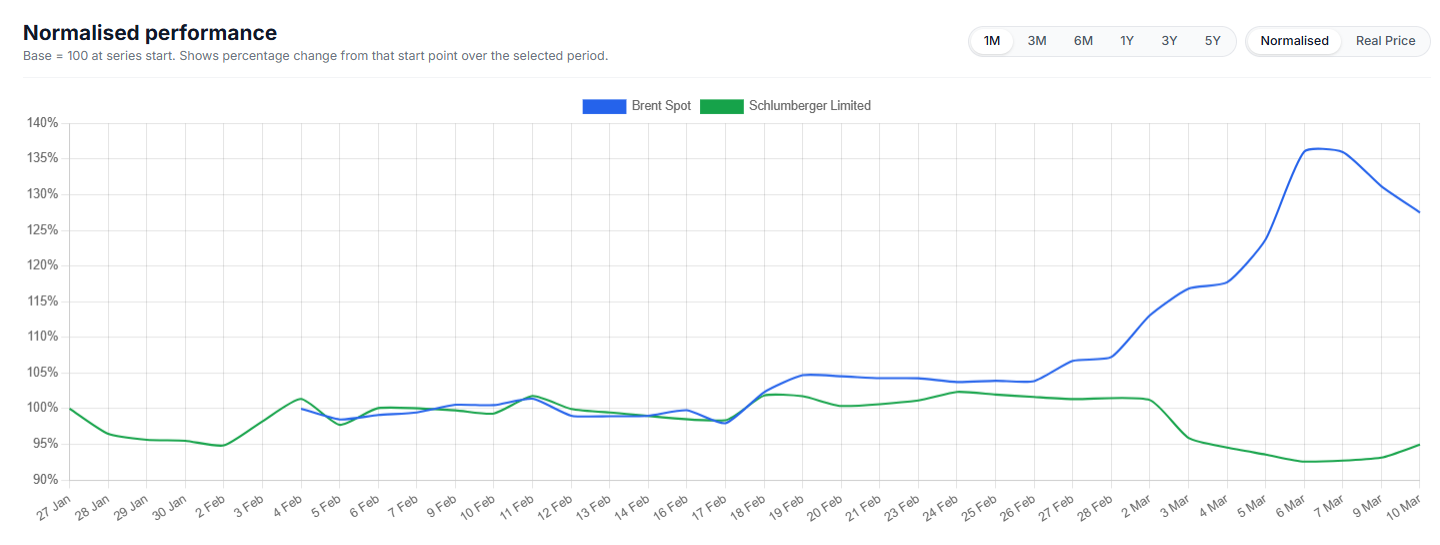
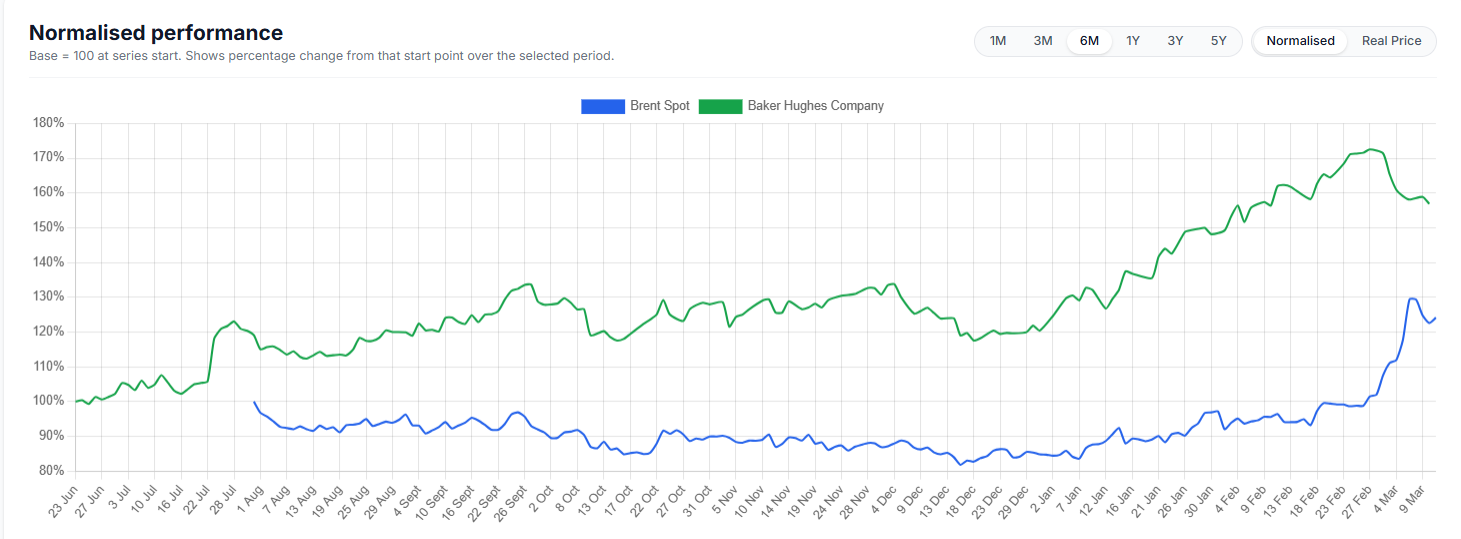
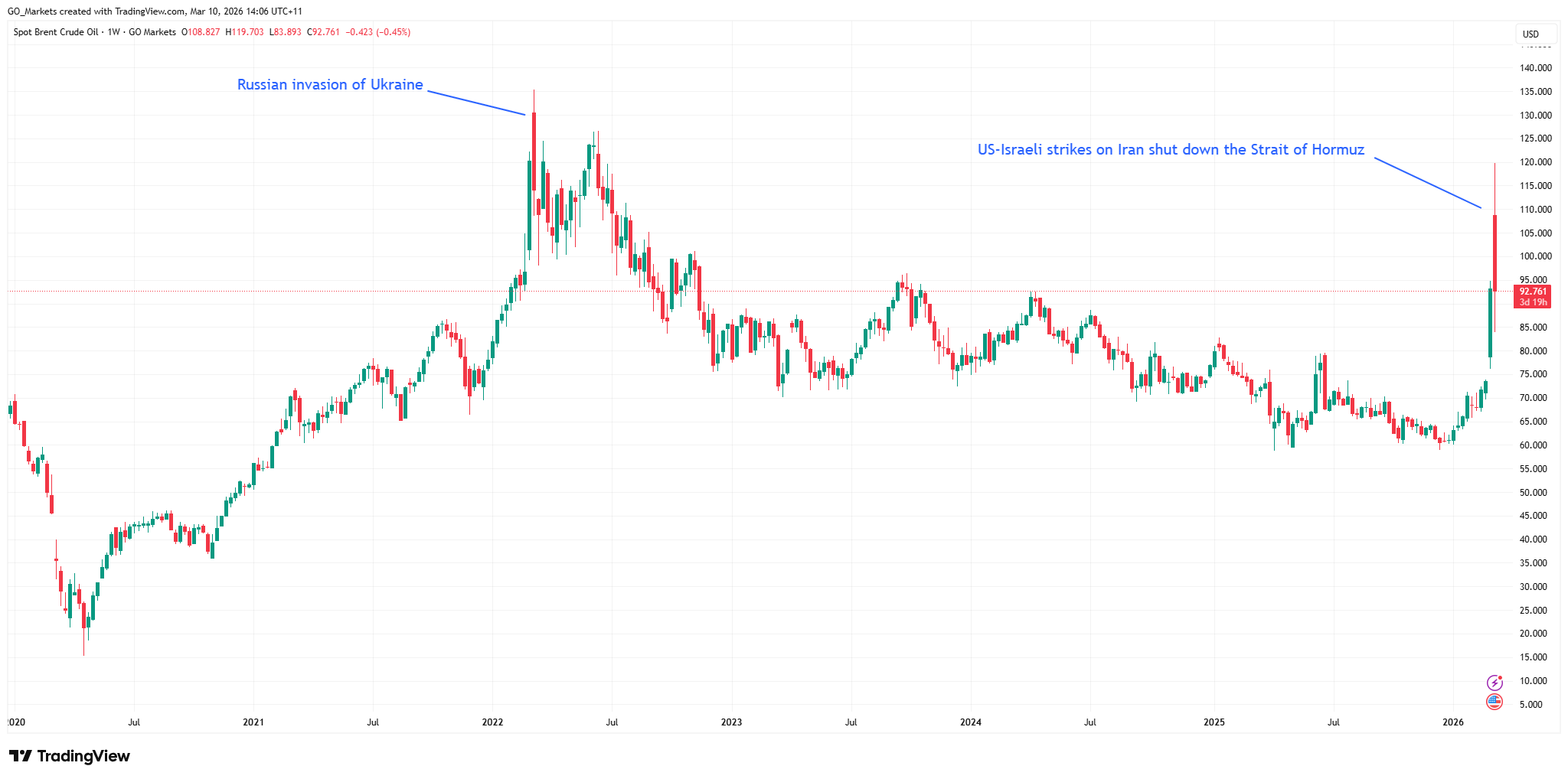
The US has entered the Israel-Iran war. However, despite an initial 4 per cent surge on the open, oil has settled where it has been since the conflict began in early June — around US$72 to US$75 a barrel.Trump claims the attacks from the US on Iranian nuclear facilities over the weekend are a very short, very tactical, one-off. This is something his base can get behind — some really big conservative players do not want a long-contracted war that sucks the US into external disputes.Whether this will be the case or not is up for debate, but there is a precedent from Trump's first presidency that we can look to. Iran had attacked several American bases in 2019, as well as attacking Saudi Arabia's most important oil refinery with Iranian drones. There wasn't a huge amount of damage; it was more a symbolic movement and display of capabilities by Iran.Initially, Trump didn't react — it took pressure from Gulf allies like the UAE and Israel for him to respond, which saw him order the assassination of the head of the Iranian Defence Force, Qasem Soleimani. This led to an Iranian response of ‘lots of noise’ and ‘cage rattling’, but minimal real action events, just a few drone attacks. Trump is betting on the same reaction now.If Iran follows the same patterns from the previous engagement, the geopolitical side of this is already at its peak.As of now, Iran is not going after or destroying major Gulf energy capabilities. Nor have there been any disruptions to the shipping traffic through the Strait of Hormuz. In fact, apart from a posturing vote to block the Strait, Iran has not made any indication that it is going to disrupt oil in any way that would lead to price surges.Additionally, despite the U.S. military equipment buildup in the region being its highest since the Iraq war, critical Iranian energy infrastructure is running largely unscathed.This all suggests that the geopolitics and the physical and futures oil markets remain disconnected. Oil will spike on news rumours, but the actual impacts in the physical realm to this point remain low. Of course, this could change in future. But, for now, the risk of seeing oil move to US$100 a barrel is still a minority case rather than the majority.
The US Entering the War – What Does It Mean for Oil?

Related Articles

Asia starts the week with a fresh geopolitical shock that is already being framed in oil terms, not just security terms. The first-order move may be a repricing of risk premia and volatility across energy and macro, while markets wait to see whether this becomes a durable physical disruption or a fast-fading headline premium.
At a glance
- What happened: US officials said the US carried out “Operation Absolute Resolve”, including strikes around Caracas, and that Venezuela’s President Nicolás Maduro and his wife were taken into US custody and flown to the United States (subject to ongoing verification against the cited reporting).
- What markets may focus on now: Headline-driven risk premia and volatility, especially in products and heavy-crude-sensitive spreads, rather than a clean “missing barrels” shock.
- What is not happening yet: Early pricing has so far looked more like a headline risk premium than a confirmed physical supply shock, though this can change quickly, with analysts pointing to ample global supply as a possible cap on sustained upside.
- Next 24 to 72 hours: Market participants are likely to focus on the shape of the oil “quarantine”, the UN track, and whether this stays “one and done” or becomes open-ended.
- Australia and Asia hook: AUD as a risk barometer, Asia refinery margins in diesel and heavy, and shipping and insurance where the price can show up in friction before it shows up in benchmarks.
What happened, facts fast
Before anyone had time to workshop the talking points, there were strikes, there was a raid, and there was a custody transfer. US officials say the operation culminated in Maduro and his wife being flown to the United States, where court proceedings are expected.
Then came the line that turned a foreign policy story into a markets story. President Trump publicly suggested the US would “run” Venezuela for now, explicitly tying the mission to oil.
Almost immediately after that came a message-discipline correction. Secretary of State Marco Rubio said the US would not govern Venezuela day to day, but would press for changes through an oil “quarantine” or blockade.
That tension, between maximalist presidential rhetoric and a more bureaucratically describable “quarantine”, is where the uncertainty lives. Uncertainty is what gets priced first.

Why this is price relevant now
What’s new versus known for positioning
What’s new, and price relevant, is that the scale and outcome are not incremental. A major military operation, a claimed removal of Venezuela’s leadership from the country, and a US-led custody transfer are not the sort of things markets can safely treat as noise.
Second, the oil framing is explicit. Even if you assume the language gets sanded down later, the stated lever is petroleum. Flows, enforcement, and pressure via exports.
Third, the embargo is not just a talking point anymore. Reporting says PDVSA has begun asking some joint ventures to cut output because exports have been halted and storage is tightening, with heavy-crude and diluent constraints featuring prominently.
What’s still unknown, and where volatility comes from
Key unknowns include how strict enforcement is on water, what exemptions look like in practice, how stable the on-the-ground situation is, and which countries recognise what comes next. Those are not philosophical questions. Those are the inputs for whether this is a temporary risk premium or a durable regime shift.
Political and legal reaction, why this drives tail risk
The fastest way to understand the tail here is to watch who calls this illegal, and who calls it effective, then ask what those camps can actually do.
Internationally, reaction has been fast, with emphasis on international law and the UN Charter from key partners, and UN processes in view. In the US, lawmakers and commentators have begun debating the legal basis, including questions of authority and war powers. That matters for markets because it helps define whether this is a finite operation with an aftershock, or the opening chapter of a rolling policy regime that keeps generating headlines.
Market mechanism, the core “so what”
Here’s the key thing about oil shocks. Sometimes the headline is the shock. Sometimes the plumbing is the shock.

Volumes and cushion
Venezuela is not the world’s swing producer. Its production is meaningful at the margin, but not enough by itself to imply “the world runs out of oil tomorrow”. The risk is not just volume. It is duration, disruption, and friction.
The market’s mental brake is spare capacity and the broader supply backdrop. Reporting over the weekend pointed to ample global supply as a likely cap on sustained gains, even as prices respond to risk.
Quality and transmission
Venezuela’s barrels are disproportionately extra heavy, and extra heavy crude is not just “oil”. It is oil that often needs diluent or condensate to move and process. That is exactly the kind of constraint that shows up as grade-specific tightness and product effects.
Reporting has highlighted diluent constraints and storage pressure as exports stall. Translation: even if Brent stays relatively civil, watch cracks, diesel and distillates, and any signals that “heavy substitution” is getting expensive.

Products transmission, volatility first, pump later
If crude is the headline, products are the receipt, because products tell you what refiners can actually do with the crude they can actually get. The short-run pattern is usually: futures reprice risk fast, implied volatility pops; physical flows adapt more slowly; retail follows with a lag, and often with less drama than the first weekend of commentary promised.
For Australia and Asia desks, the bigger point is transmission. Energy moves can influence inflation expectations, which can feed into rates pricing and the dollar, and in turn affect Asia FX and broader risk, though the links are not mechanical and can vary by regime.
Some market participants also monitor refined-product benchmarks, including gasoline contracts such as reformulated gasoline blendstock, as part of that chain rather than as a stand-alone signal.
Historical context, the two patterns that matter
Two patterns matter more than any single episode.
Pattern A: scare premium. Big headline, limited lasting outage. A spike, then a fade as the market decides the plumbing still works.
Pattern B: structural. Real barrels are lost or restrictions lock in; the forward curve reprices; the premium migrates from front-month drama to whole-curve reality.

One commonly observed pattern is that when it is only premium, volatility tends to spike more than price. When it is structural, levels and time spreads move more durably.
The three possible market reactions
Contained, rhetorical: quarantine exists but porous; diplomacy churns; no second-wave actions. Premium bleeds out; volatility mean-reverts.
Embargo tightens, exports curtailed, quality shock: enforcement hardens; PDVSA cuts deepen; diluent constraints bite. Heavies bid; cracks and distillates react; freight and insurance add friction.
Escalation, prolonged control risk: “not governing” language loses credibility; repeated operations; allies fracture further. Longer-duration premium; broader risk-off impulse across FX and rates.
Australia and Asia angle
For Sydney, Singapore, and Hong Kong screens, this is less about Venezuelan retail politics and more about how a Western Hemisphere intervention bleeds into Asia pricing.
AUD is the quick and dirty risk proxy. Asia refiners care about the kind of oil and the friction cost. Heavy crude plus diluent dependency makes substitution non-trivial. If enforcement looks aggressive, the “price” can show up in freight, insurance, and spreads before it shows up in headline Brent.
Catalyst calendar, key developments markets may monitor
- US policy detail: quarantine rules, enforcement posture, exemptions.
- UN and allies: statements that signal whether this becomes a long legitimacy fight.
- PDVSA operations: storage, shut-ins, diluent availability, floating storage signals.
- OPEC+ signalling: whether the group stays committed to stability if spreads blow out.

The United States entered a government shutdown on October 1, 2025, after Congress failed to agree on full-year appropriations or a short-term funding bill. Although shutdowns have occurred before, the timing, speed, scale, and motives behind this one make it unique. This is the first shutdown since the last Trump term in 2018–19, which lasted 35 days, the longest in history.For traders, understanding both the mechanics and the ripple effects is essential to anticipating how markets may respond, particularly if the shutdown draws out to multiple weeks as currently anticipated.
What Is a Government Shutdown?
A government shutdown occurs when Congress fails to pass appropriation bills or a temporary extension to fund government operations for the new fiscal year beginning October 1.Without the legal authority to spend, federal agencies must suspend “non-essential” operations, while “essential” services such as national security, air traffic control, and public safety continue, often with employees working unpaid until funding is restored.Since the Government Employee Fair Treatment Act of 2019, federal employees are guaranteed back pay to cover lost wages once the shutdown ends, although there has been some narrative from the current administration that some may not be returning to work at all.
Why Did the Government Shutdown Happen?
The 2025 impasse stems from partisan disputes over spending levels, health-insurance subsidies, and proposed rescissions of foreign aid and other programs. The reported result is that around 900,000 federal workers are furloughed, and another 700,000 are currently working without pay.Unlike many past standoffs, there was no stopgap agreement to keep the government open while negotiations continued, making this shutdown more disruptive and unusually early.
Why an Early Shutdown?
Historically, most shutdowns don’t occur immediately on October 1. Lawmakers typically kick the can down the road with a “Continuing Resolution (CR)”. This is a stopgap measure that can extend existing funding for weeks or months to allow time for an agreement later in the quarter.The speed of the breakdown in 2025, with no CR in place, is unusual compared to past shutdowns. It suggests it was not simply budgetary drift, but a potentially deliberate refusal to extend funding.
Alternative Theories Behind the Early Shutdown
While the main narrative coming from the U.S. administrators points to budget deadlock, several other theories are being discussed across the media:
- Executive Leverage – The White House may be using the shutdown as a tool to increase bargaining power and force structural policy changes. Health care is central to the debate, funding for which was impacted significantly by the “one big, beautiful bill” recently passed through Congress.
- Hardline Congressional Factions – Small but influential groups within Congress, particularly on the right, may be driving the shutdown to demand deeper cuts.
- Political Messaging – The blame game is rife, despite the reality that Republican control of the presidency, House, and Senate, as well as both sides, is indulging in the usual political barbs aimed at the other side. As for the voter impact, Recent polls show that voters are placing more blame on Republicans than Democrats at this point, though significant numbers of Americans suggest both parties are responsible
- Debt Ceiling Positioning – Creating a fiscal crisis early could shape the terms of future negotiations on borrowing limits.
- Electoral Calculus – With midterms ahead, both sides may be positioning to frame the narrative for voters.
- Systemic Dysfunction – A structural view is that shutdowns have become a recurring feature of hyper-partisan U.S. politics, rather than exceptions.
Short-Term Impact of Government Shutdown
AreaImpactFederal workforceHundreds of thousands have been furloughed with reduced services across various agencies.Travel & aviationFAA expects to furlough 11,000 staff. Inspections and certifications may stall. Safety concerns may become more acute if prolonged shutdown.Economic outputThe White House estimates a $15 billion GDP loss per week of shutdown (source: internal document obtained by “Politico”.Consumer spendingFederal workers and contractors face delayed income, pressuring local economies. Economic data releaseKey data releases may be delayed, impacting the decision process at the Fed meeting later this month.Credit outlookScope Ratings and others warn that the shutdown is “negative for credit” and could weigh on U.S. borrowing costs.Projects & researchInfrastructure, grants, and scientific initiatives are delayed or paused.
Medium- to Long-Term Impact of Government Shutdown
1. Market Sentiment
Shutdowns show some degree of U.S. political dysfunction. They can weigh on confidence and subsequently equity market and risk asset sentiment. To date, markets are shrugging off a prolonged impact, but a continued shutdown into later next week could start to impact.Equity markets have remained strong, and there has been no evidence of the frequent seasonal pullback we often see around this time of year.Markets have proved resilient to date, but one wonders whether this could be a catalyst for some significant selling to come.
2. Borrowing Costs
Ratings downgrades could lift Treasury yields and increase debt-servicing costs. The Federal Reserve is already balancing sticky inflation and potential downward pressure on growth. This could make rate decisions more difficult.
3. The Impact on the USD
Rises in treasury yields would generally support the USD. However, rising concerns about fiscal stability created by a prolonged shutdown may put further downward pressure on the USD. Consequently, it is likely to result in buying into gold as a safe haven. With gold already testing record highs repeatedly over the last weeks, this could support further moves to the upside.
4. Credibility Erosion
Repeated shutdowns weaken the U.S.’s reputation as the world’s most reliable borrower. With some evidence that tariffs are already impacting trade and investment into the US, a prolonged shutdown could exacerbate this further.
What Traders Should Watch
For those who trade financial markets, shutdowns matter more for what they could signal both in the short and medium term. Here are some of the key asset classes to watch:
- Equities: Likely to see volatility as political risk rises, and the potential for “money off the table” after significant gains year-to-date for equities.
- U.S. Dollar: With the US dollar already relatively weak, further vulnerability if a shutdown feeds global doubts about U.S. fiscal stability.
- Gold and other commodities: May continue to gain as hedges against political and credit risk. Oil is already threatening support levels; any prolonged shutdown may add to the bearish narrative, along with other economic slowdown concerns
- Outside the US: With the US such a big player in global GDP, we may see revisions in forward-looking estimates, slingshot impacts on other global markets and even supply chain disruptions with impact on customs services (potentially inflationary).
Final Word
The 2025 shutdown is unusual because of its scale and because it started on Day 1 of the fiscal year, without even a temporary extension. That speed points to a deeper strategic and political contribution beyond the usual budget wrangling that we see periodically.For traders, the lesson is clear: shutdowns are not just what happens in Washington, but may impact confidence, borrowing costs, and market sentiment across a range of asset classes. In today’s world, where political credibility is a form of capital, shutdowns have the potential to erode the very foundation of the U.S.’s role in global finance and trade relationships.

The US has entered the Israel-Iran war. However, despite an initial 4 per cent surge on the open, oil has settled where it has been since the conflict began in early June — around US$72 to US$75 a barrel.Trump claims the attacks from the US on Iranian nuclear facilities over the weekend are a very short, very tactical, one-off. This is something his base can get behind — some really big conservative players do not want a long-contracted war that sucks the US into external disputes.Whether this will be the case or not is up for debate, but there is a precedent from Trump's first presidency that we can look to. Iran had attacked several American bases in 2019, as well as attacking Saudi Arabia's most important oil refinery with Iranian drones. There wasn't a huge amount of damage; it was more a symbolic movement and display of capabilities by Iran.Initially, Trump didn't react — it took pressure from Gulf allies like the UAE and Israel for him to respond, which saw him order the assassination of the head of the Iranian Defence Force, Qasem Soleimani. This led to an Iranian response of ‘lots of noise’ and ‘cage rattling’, but minimal real action events, just a few drone attacks. Trump is betting on the same reaction now.If Iran follows the same patterns from the previous engagement, the geopolitical side of this is already at its peak.As of now, Iran is not going after or destroying major Gulf energy capabilities. Nor have there been any disruptions to the shipping traffic through the Strait of Hormuz. In fact, apart from a posturing vote to block the Strait, Iran has not made any indication that it is going to disrupt oil in any way that would lead to price surges.Additionally, despite the U.S. military equipment buildup in the region being its highest since the Iraq war, critical Iranian energy infrastructure is running largely unscathed.This all suggests that the geopolitics and the physical and futures oil markets remain disconnected. Oil will spike on news rumours, but the actual impacts in the physical realm to this point remain low. Of course, this could change in future. But, for now, the risk of seeing oil move to US$100 a barrel is still a minority case rather than the majority.
Recent Articles

กีฬาโอลิมปิกและกีฬาโอลิมปิกฤดูหนาวดึงดูดความสนใจทั่วโลกมาหลายสัปดาห์ดึงดูดผู้ชมนับล้านและครองหัวข่าวสำหรับเทรดเดอร์ ความสนใจนี้มักจะรู้สึกเหมือนตัวเร่งปฏิกิริยา แต่ตัวขับเคลื่อนตลาดที่แท้จริงยังคงเหมือนเดิม: เศรษฐศาสตร์มหภาค นโยบาย และความเชื่อมั่นความเสี่ยงทั่วโลก ไม่ใช่ปฏิทินกีฬา
เหตุใดเทรดเดอร์บางคนจึงบอกว่าผลลัพธ์รู้สึกอ่อนแอลงในช่วงกิจกรรมกีฬาที่สำคัญ?
บ่อยครั้งที่มันเกิดจากการล้มเหลวในการปรับตัวให้เข้ากับเงื่อนไขที่สามารถเปลี่ยนแปลงได้ในอัตรากำไรโดยเฉพาะสภาพคล่องและการมีส่วนร่วม
1.คาดว่า “ความผันผวนของเหตุการณ์”
เหตุการณ์สำคัญระดับโลกสามารถสร้างสมมติฐานว่าตลาด น่า ย้ายมากขึ้นเทรดเดอร์บางรายวางตำแหน่งเพื่อรับเบรคเอาท์หรือเพิ่มความเสี่ยงเพื่อคาดหวังการเปลี่ยนแปลงที่ใหญ่ขึ้น แม้ว่าเงื่อนไขจะไม่รองรับ
ไดรเวอร์ที่สำคัญ
- ในบางตลาดและเซสชัน การมีส่วนร่วมที่ลดลงอาจทำให้การติดตามแนวโน้มลดลง
- ความเชื่อมั่นสามารถเพิ่มความคาดหวังเกินกว่าการเคลื่อนไหวของราคาได้
ตัวอย่าง: เทรดเดอร์คาดหวังว่าราคาเอาท์ในช่วงพิธีเปิดโอลิมปิก แต่การมีส่วนร่วมในระดับภูมิภาคต่ำ จำกัด การเคลื่อนไหวของราคา ซึ่งนำไปสู่การเริ่มต้นที่ผิดพลาด
2.บังคับการซื้อขายในเซสชันที่เงียบ
เมื่อการเคลื่อนไหวของราคาช้าลงและช่วงบีบอัด เทรดเดอร์บางรายรู้สึกกดดันที่จะคงกระตือรือร้นและรับรายการที่มีคุณภาพต่ำกว่า
ไดรเวอร์ที่สำคัญ
- ช่วงระหว่างวันแคบสามารถเพิ่มสัญญาณเท็จได้
- ความเชื่อมั่นที่ต่ำกว่าอาจส่งผลต่อการรวมตัวมากกว่าแนวโน้ม เพิ่มความเสี่ยงในการทำลายเท็จ
- “การมีส่วนร่วม” สามารถลดการเลือกได้
Takeaway: ใช้เซสชันที่เงียบกว่าเพื่อปรับแต่งการตั้งค่าหรือตรวจสอบข้อมูลแทนที่จะบังคับให้ทำการซื้อขายส่วนจำกัด
3.ไม่สนใจสภาพคล่องที่บางลง
การมีส่วนร่วมสามารถลดลงเล็กน้อยในระหว่างเหตุการณ์สำคัญระดับโลกและผลกระทบมักจะเด่นชัดมากขึ้นในกรอบเวลาที่สั้นลงกราฟรายวันอาจดูเป็นปกติ ในขณะที่การเคลื่อนไหวของราคาระหว่างวันจะกลายเป็นเรื่องปกติมากขึ้นโดยการเคลื่อนไหวมากขึ้น
ไดรเวอร์ที่สำคัญ
- ในสภาวะที่ลึกต่ำกว่าราคาสามารถกระโดดได้ง่ายขึ้นและขนาดไส้ก็สามารถเพิ่มขึ้นได้
- ในตราสารและเซสชันบางส่วน สภาพคล่องที่บางลงอาจตรงกับสเปรดที่กว้างขึ้นและการดำเนินการที่แปรผันมากขึ้น (แตกต่างกันไปตามตลาด สถานที่ และเงื่อนไขของโบรกเกอร์)
ความไวของกรอบเวลาต่อสภาวะที่บางลง
ตารางข้างต้นเป็นภาพประกอบเท่านั้น (แตกต่างกันไปตามตลาด): แผนภูมิรายวันอาจดูปกติแผนภูมิห้านาทีสามารถรู้สึกไม่สม่ำเสมอมากขึ้น
ตัวอย่างตะเกียงขนาดใหญ่ที่มีปริมาณต่ำ

4.ใช้ขนาดปกติในสภาวะที่ผิดปกติ
แม้ว่าความผันผวนโดยรวมจะดูเสถียร แต่ความเสี่ยงในการดำเนินการอาจเพิ่มขึ้นเมื่อสภาพคล่องลดลง โดยเฉพาะอย่างยิ่งสำหรับแนวทางระยะสั้นหรือรูปแบบการปรับขนาด
ไดรเวอร์ที่สำคัญ
- การลื่นไถลอาจเพิ่มขึ้นและการหยุดอาจ“ เกินไป”
- สภาพบางสามารถกระตุ้นการหยุดได้ง่ายขึ้นในเสียงรบกวน
- สเปรดที่กว้างขึ้นสามารถเปลี่ยนผลลัพธ์การเข้า/ออกไปเทียบกับสภาวะปกติ
การปรับแต่ง: การรักษาขนาดคงที่อาจบิดเบือนได้ ได้ผล ความเสี่ยงเทรดเดอร์บางรายตรวจสอบต้นทุนการทำธุรกรรม รวมถึงสเปรดและเงื่อนไขการดำเนินการเมื่อตั้งค่าพารามิเตอร์ความเสี่ยง เช่น การหยุด/ขีด จำกัด โดยเฉพาะอย่างยิ่งในเซสชันที่บางส่วน
5.การเทรดเบรคเอาท์ที่มีการติดตามขั้นต่ำ
กลยุทธ์ตามแนวโน้มอาจลดลงเมื่อการมีส่วนร่วมลดลงโมเมนตัมอาจกระจายไปอย่างรวดเร็วและการหยุดทำงานผิดพลาดก็เกิดขึ้นได้บ่อยขึ้น
ไดรเวอร์ที่สำคัญ
- การไหลที่ลดลงสามารถจำกัดการเคลื่อนที่ตามทิศทางที่ยั่ง
- ระบบสภาพคล่องต่ำบางระบบอาจสนับสนุนการกลับตัวหมายถึงมากกว่าโมเมนตัม
ตัวอย่าง: ช่วงเบรกเอาต์แบบคลาสสิกดูเหมือนจะใช้ได้ระหว่างวัน แต่จางหายไปอย่างรวดเร็วเนื่องจากปริมาณที่ติดตามมาไม่เกิดขึ้น
ตัวอย่างเบรกเอาต์ที่ล้มเหลว

6.มองข้ามเวลาและความเสี่ยงต่อการรบกวนใจ
ไม่มีหลักฐานที่เชื่อถือได้ว่าปฏิทินโอลิมปิกขับเคลื่อนเหตุการณ์ทางภูมิศาสตร์ที่คาดการณ์ได้แต่เมื่อความตึงเครียดสูงขึ้นแล้ว บางครั้งเหตุการณ์สำคัญทั่วโลกอาจเกิดขึ้นกับความสนใจที่แพร่กระจายไปในที่อื่น ซึ่งค่อนข้างคล้ายกับวันหยุด การเลือกตั้ง หรือการประชุมสุดยอดสำคัญ
เทรดเดอร์ควรระบุว่าเงื่อนไขจะช้าลงหรือบางลงเมื่อใดและปรับตามนั้น โดยจัดแนวกลยุทธ์กับความเสี่ยงตามที่ลดลงและปรับเทียบขนาดตำแหน่งให้เข้ากับความเป็นจริงในการดำเนินการที่สำคัญที่สุดคือหลีกเลี่ยงการบังคับการซื้อขายเมื่อมีขีดจำกัดในช่วงเวลาเหล่านี้
การเพิ่มเหตุการณ์ทางเศรษฐกิจ

คบเพลิงถูกจุดขึ้นในมิลาน และความสนใจของประชาชนได้ย้ายจากโรงละครพิธีเปิดไปสู่การแข่งขันบนเนินเขา
แต่สำหรับนักเทรดฟอเร็กซ์ (FX) สายตายังคงอยู่ที่แผนภูมิยูโร (EUR)ด้วยอิตาลีเป็นศูนย์กลางของโลกกีฬา เศรษฐกิจยูโรโซนกำลังเผชิญกับช่วงเวลาหนึ่งที่มีผู้ชมมากที่สุดในปี
1.ข้อได้เปรียบของสนามเหย้า (เศรษฐกิจของอิตาลี)
การประมาณการบางอย่างชี้ให้เห็นว่าการแข่งขันกีฬาโอลิมปิกอาจส่งเสริมเศรษฐกิจอิตาลีมูลค่า 5.3 พันล้านยูโร ซึ่งขับเคลื่อนโดยการใช้จ่ายโดยตรงและการท่องเที่ยวที่ยาวนานขึ้นเมื่อเปลวไฟดับลงในแง่ที่ปฏิบัติ นั่นอาจหมายถึงขั้นตอน “ค่าใช้จ่ายโดยตรง” ที่โหลดด้านหน้าความต้องการด้านการต้อนรับ การค้าปลีก และการขนส่งอาจสูงสุดเนื่องจากผู้ชมประมาณ 2.5 ล้านคนเคลื่อนที่ระหว่างมิลานและโดโลไมต์
งานรายการตรวจสอบ: ชมการผลิตอุตสาหกรรมของอิตาลี (วันพุธที่ 11 กุมภาพันธ์ 2026)แม้ว่าเกมส์อาจสนับสนุนกิจกรรมบริการ แต่ก็คุ้มค่าที่จะติดตามว่าข้อมูลการผลิตที่กว้างขวางกำลังดำเนินไปหรือผลกระทบของโอลิมปิกนั้นมีสมาธิอย่างแคบในภาคส่วนที่เชื่อมโยงกับการท่องเที่ยวหรือไม่

2.สัญญาณ ECB
ในการประชุมวันที่ 5 กุมภาพันธ์ ธนาคารกลางยุโรป (ECB) กำหนดนโยบายคงที่ 2.15% และอัตราการฝากเงินที่ 2.00%ประธานาธิบดี Christine Lagarde ส่งสัญญาณว่าในขณะที่อัตราเงินเฟ้อดูเหมือนจะคงที่ ECB ยังคงอยู่ในโหมด “รอและดู”
งานรายการตรวจสอบ: ตรวจสอบสุนทรพจน์จากสมาชิก ECB ในสัปดาห์นี้การเปลี่ยนแปลงของโทนใด ๆ รวมถึงการปรับเอียงมากขึ้นซึ่งบ่งชี้ว่าอัตราดอกเบี้ยอาจสูงขึ้นได้นานขึ้น อาจเป็นลมท้ายที่อาจเกิดขึ้นสำหรับคู่สกุลเงินยูโรและดอลลาร์สหรัฐ โดยเฉพาะอย่างยิ่งหากมันแตกต่างจากโทนเสียงเฟดเดอรัลธนาคารกลางที่ระมัดระวังมากขึ้น

3.นำทางทับซ้อนกันลอนดอน-นิวยอร์ก
รอบชิงชนะเลิศโอลิมปิกที่มีชื่อเสียงที่สุดมักจะลงจอดในตอนเย็นยุโรปสำหรับเทรดเดอร์ สิ่งนี้จะสอดคล้องกับเซสชันลอนดอนถึงนิวยอร์กที่ทับซ้อนกัน (โดยปกติ 14:00 ถึง 17:00 GMT)นั่นคือช่วงเวลาที่สภาพคล่องสูงสุดในเส้นผ่าน EUR และเมื่อตำแหน่งสามารถมองเห็นข้อมูลและหัวข่าว
งานรายการตรวจสอบ: คาดหวังสภาพคล่องสูงสุดที่เป็นไปได้และศักยภาพสำหรับ “เบรกเอาต์เท็จ” ในช่วงเวลาเหล่านี้หากจุดข้อมูลที่สำคัญของสหรัฐฯ (เช่นยอดขายปลีกในวันอังคารหรือ CPI ของวันศุกร์) ลดลงในขณะที่ตลาดยุโรปยังเปิดอยู่ คู่สกุลเงินยูโรอาจเห็นความผันผวนเพิ่มขึ้น
GO Markets สัปดาห์ข้างหน้า
4.เนินเขาที่ปลอดภัย
แม้ว่ายูโรจะเป็นดาวแห่งการแสดง แต่การแข่งขันกีฬาโอลิมปิกยังคงถูกบังด้วยเสียงรบกวนทางภูมิศาสตร์ที่กว้างขึ้นตัวอย่างเช่น ทองคำกำลังซื้อขายอยู่ที่ระดับ 5,000 เหรียญสหรัฐหลังจากที่ปรับตัวสูงขึ้นในช่วงต้นเดือนกุมภาพันธ์ ซึ่งผลักดันจากการซื้อของธนาคารกลาง ความคาดหวังของดอลลาร์อ่อนแอ และการคาดการณ์สิ้นปีที่เพิ่มขึ้น
งานรายการตรวจสอบ: หากความเชื่อมั่นลดความเสี่ยง ให้ดูสินทรัพย์ของสวรรค์แบบดั้งเดิม เช่น ฟรังก์สวิส (CHF) และทองคำเมื่อเร็ว ๆ นี้ทองคำมีการเปลี่ยนแปลงครั้งใหญ่และขณะนี้กำลังทดสอบความต้านทานที่อยู่ใกล้ 5,000 เหรียญสหรัฐEUR/CHF อาจเห็นความผันผวนที่สูงขึ้นเช่นกันหากหัวข่าวทางภูมิศาสตร์รุนแรงขึ้นในช่วงเกมส์

5.อันดับสุดท้าย GDP
สัปดาห์นี้ปิดท้ายกับ GDP ไตรมาสที่ 4 ของยูโรโซน (ประมาณการที่สอง) ในวันศุกร์ที่ 13 กุมภาพันธ์ 2026
งานรายการตรวจสอบ: การประมาณการเบื้องต้นแสดงให้เห็นการเติบโต 0.3%หากปรับตัวเลขขึ้นไปอาจเสริมความยืดหยุ่นของยูโรโซนและอาจสนับสนุนการเสนอราคาในช่วงปลายสัปดาห์ในสกุลเงินยูโร

บรรทัดล่าง
แม้ว่า “การกระตุ้นโอลิมปิก” อาจส่งเสริมความเชื่อมั่นสำหรับอิตาลี แต่ทิศทางของยูโรยังคงมีแนวโน้มที่จะถูกกำหนดโดยแนวคิด “รอและดู” ของ ECB ถูกท้าทายจากการอัปเดต GDP ของวันศุกร์หรือการเผยแพร่การผลิตอุตสาหกรรมในวันพุธหรือไม่
เนื่องจากทองคำเคลื่อนที่อยู่ใกล้ 5,000 เหรียญสหรัฐ และสหรัฐฯ เผชิญกับปฏิทินที่ได้รับผลกระทบจากข้อมูลที่กำหนดเวลาใหม่ ความผันผวนอาจยังคงสูงขึ้นเป็นชั่วโมงทับซ้อนกันที่สำคัญในขณะที่เหตุการณ์ไพร์มไทม์กำลังเกิดขึ้น

คู่มือฉบับสมบูรณ์แบบประจำวันของคุณเกี่ยวกับโอกาสในการแข่งขันเหรียญรางวัลออสเตรเลียและช่วงเวลาที่เคลื่อนไหวในตลาดในช่วงโอลิมปิกฤดูหนาวมิลาโนคอร์ติน
ข้อเท็จจริงด่วน
- พิธีเปิด: 6:00 น., 7 กุมภาพันธ์ AEDT (20:00 น., 6 กุมภาพันธ์ มิลาน)
- หน้าต่างการดูหลัก: 4:00 ก่อนเที่ยง ถึง 14:00 น. AEDT ทุกวันตรงกับชั่วโมงการซื้อขายก่อนการตลาดและ ASX
- พิธีเหรียญ: โดยปกติจะทำงานตั้งแต่ 6:00 น. ถึง 7:00 น. AEDTเหมาะสำหรับการปรับตำแหน่งก่อนการตลาด
- นักกีฬาออสเตรเลีย 53 คน การแข่งขัน: ทีมโอลิมปิกฤดูหนาวของออสเตรเลียที่ใหญ่เป็นอันดับสองที่มีผู้เข้าแข่งขันเหรียญแท้ 10 คน
ตารางการแข่งขันโอลิมปิก GO Markets
พิธีเปิด+เหรียญรางวัลแรก - วันเสาร์ที่ 7 กุมภาพันธ์
พิธีเปิดในเวลาอาหารเช้า จากนั้นก็ได้รับเหรียญทองครั้งแรกในไพร์ไทม์ในวันเสาร์
Harry Laidlaw เป็นตัวแทนของออสเตรเลียในชั้น Downhill สำหรับผู้ชาย ซึ่งเป็นเหรียญทองครั้งแรกของเกมส์ ในขณะที่นักเล่นสกีครอสคันทรีโรซี่ ฟอร์ดแฮม และ Phoebe Cridland แข่งขันในช่วงคืนวันเสาร์
การจับคู่พิธีและเหรียญรางวัลแรกในวันเดียวกันนี้จะสร้างความอิ่มตัวของสื่อสูงสุด โดยมีการประมวลผลวงจรข่าวสุดสัปดาห์เต็มรูปแบบก่อนเปิด ASX ในวันจันทร์
เหตุการณ์สำคัญ
- พิธีเปิด: 6:00 น. อาทิตย์
- รอบชิงชนะเลิศชาย (เหรียญทองแรกของเกม): 9:30 น. AEDT
- สกีแอทลอนหญิง 10 กิโลเมตร+10 กิโลเมตร: 11:00 หลังเที่ยง AEDT
สำหรับผู้ค้า
- NEC (ไนน์ เอ็นเตอร์เทนเมนท์): อีเวนต์การรับชมสองครั้งพิธีเปิด 6:00 น. วันเสาร์ จัดเรียงรายชื่อผู้ชมทีวียามเช้าสุดยอดเหรียญแรกเวลา 21.30 น. เป็นไพร์ไทม์ในคืนวันเสาร์
- หุ้นอิตาลี (FTSE MIB): ในอดีตมีประสิทธิภาพต่ำกว่าในช่วงโอลิมปิกในประเทศทูริน 2006 พบกับ -2.1% ระหว่างการแข่งขันกีฬา
- STLA (สเตลแลนติส): ESG เป็นหัวข้อเสี่ยงหากกลุ่มสิ่งแวดล้อมกำหนดเป้าหมายในพิธี
- การตัดสินของผู้สนับสนุนเครื่องแต่งกาย: หากผู้ที่ไม่ได้ชื่นชอบ ชนะผู้ชายดาวน์ฮิลล์ ผู้สนับสนุนของพวกเขาจะเห็นป๊อปปเฉลี่ย +2.3% (ข้อมูลพยองชาง 2018, ปักกิ่ง 2022)
เหรียญแรกดำเนินต่อไป - วันอาทิตย์ที่ 8 กุมภาพ
เหรียญรางวัลยังคงดำเนินต่อไปในวันอาทิตย์ขณะที่ Valentino Guseli อายุ 19 ปีขึ้นเครื่องบินในสโนว์บอร์ดผู้ชาย Big Air ทำให้ออสเตรเลียได้รับโอกาสในการแข่งขันอันน่าตื่นตาตื่นใจที่สุดแห่งหนึ่งของเกมส์
เนื่องจากพิธีนี้ยังคงสดชื่น ผลการแสดงของ Guseli จึงกำหนดโทนเสียงให้กับแคมเปญสโนว์บอร์ดของออสเตรเลีย และอาจมีอิทธิพลต่อตำแหน่งเปิดของ ASX สำหรับหุ้นกีฬาแอ็คชั่นในวันจันทร์
เหตุการณ์สำคัญ
- สโนว์บอร์ดผู้ชาย บิ๊กแอร์ รอบชิง (วาเลนติโน กูเซลี): 5:30 น. อาทิตย์
- นอร์มัลฮิลล์หญิงรอบชิงชนะเลิศ: 05:57 น. อาทิตย์
สำหรับผู้ค้า
- MNST (เครื่องดื่มมอนสเตอร์): ผู้สนับสนุนกีฬาแอ็คชั่นได้รับประโยชน์จากการมีนักกีฬาโอลิมปิกหลายคน
- FL (ตู้เก็บเท้า), ZUMZ (Zumiz): การเปิดเผยกีฬาแอ็คชั่นค้าปลีกสำหรับเยาวทองกูเซลีสามารถสร้างเสียงกระสุนชั่วคราว
วันจันทร์กุมภาพันธ์ 9
วันเงียบสงบหายากในปฏิทินโอลิมปิกของออสเตรเลียไม่มีกำหนดกิจกรรมเหรียญรางวัลออสเตรเลียทำให้วันนี้เป็นวันสังเกตการณ์ที่แท้จริงสำหรับผู้ค้า
ตรวจสอบว่าผลลัพธ์สุดสัปดาห์ของ Guseli จะประมวลผลอย่างไรผ่านทาง ASX Open ในวันจันทร์ และวางตำแหน่งก่อนการแข่งขันของ Coady ในวันอังคาร
วันอังคารที่ 10 กุมภาพันธ์
Tess Coady พยายามอัพเกรดบรอนซ์ในปี 2022 เป็นทองในสโนว์บอร์ดผู้หญิง Big Airเวลาช่วงเช้าวันอังคารทำให้เทรดเดอร์มีหน้าต่างตำแหน่งก่อนการตลาดที่อาจเกิดขึ้นแม้ว่าโปรไฟล์กระแสหลักของ Coady จะจำกัดการเปิดเผยเมื่อเทียบกับดาว moguls ในวันถัดไป
เหตุการณ์สำคัญ
- สโนว์บอร์ดผู้หญิง บิ๊กแอร์ รอบชิง: 5:30 น. อาทิตย์
สำหรับผู้ค้า
- FL (ตู้เก็บเท้า), ZUMZ (Zumiz): ร้านค้าปลีกเยาวชนโกลด์โคดี้สามารถสร้างเสียงกระสุนชั่วคราว
- MNST (เครื่องดื่มมอนสเตอร์): สปอนเซอร์กีฬาแอ็คชั่นทั่วไปที่มีความผันผวนน้อยลง
วันพุธที่ 11 กุมภาพันธ์
ความสงบต่อหน้าจาคารา แอนโธนี่ไม่มีเหตุการณ์ในออสเตรเลียในวันพุธหมายความว่าเทรดเดอร์ใช้เวลาในการวางตำแหน่งช่วงเวลาที่ยิ่งใหญ่ที่สุดของเกมส์: รอบชิงชนะเลิศของแอนโธนี่ หลังจากเที่ยงคืน
โมกุลส์รอบชิง - วันพฤหัสบดีที่ 12 กุมภาพันธ์
ช่วงเวลาที่ยิ่งใหญ่ที่สุดของการแข่งขันกีฬาออสเตรเลียมาถึงหลังเที่ยงคืนในวันพุธที่ Jakara Anthony ปกป้องมงกุฎโอลิมปิกของเธอในรอบชิงชนะเลิศ โมกุลสหญิง
ในฐานะความหวังเหรียญทองที่สว่างที่สุดของประเทศด้วยชัยชนะในฟุตบอลโลก 26 ครั้ง ผลงานของ Anthony ในเวลา 12:15 น. เป็นอีเวนต์ที่มีศักยภาพสูงสุดสำหรับหุ้น NEC และ VFC ตลอดทั้งสองสัปดาห์ของโอลิมปิก
Matt Graham ยังไล่ตามทองโอลิมปิกครั้งแรกของเขาเมื่อเวลา 22:15 น. คืนวันพฤหัสบดีเหตุการณ์ทั้งสองมีศักยภาพความผันผวนของ NEC และ VFC สูง
เหตุการณ์สำคัญ
- โมกุลหญิงรอบชิงชนะเลิศ (จาคาร่า แอนโธนี่): 12:15 น. วันพุธศักราช
- โมกุลชายชิงชนะเลิศ (Matt Graham): 22:15 น. อาทิตย์
สำหรับผู้ค้า
- NEC (ไนน์ เอ็นเตอร์เทนเมนท์): ตรวจสอบผลลัพธ์ค้างคืนและผู้ชมสำหรับทิศทางเปิดในวันพฤหัสบดี
- วีเอฟซี (วีเอฟ คอร์ป/นอร์ทเฟซ): สนับสนุนนักกีฬาทั้งสองเหรียญสองครั้งอาจทำให้เกิดผลกระทบมากขึ้น
- ความผันผวนของแชมป์ป้องกัน การสูญเสียของแอนโธนีอาจทำให้เกิดการเปลี่ยนแปลงทางอารมณ์ที่
- ความรู้สึกทางสังคม: ติดตาม Twitter/Google Trends เช้าวันพฤหัสบดีเพื่อวัดขนาดของประสิทธิภาพของ Anthony
วันศุกร์กุมภาพันธ์ 13
สโนว์บอร์ดครอสเข้าสู่จุดศูนย์กลางโดยมีโอกาสเป็นเหรียญออสเตรเลียสองรางวัลในวันซื้อขายวันศุกร์
รอบค้างคืนของอดัม แลมเบิร์ต เปิดช่วงเช้า ในขณะที่การแข่งขันยามเย็นของ Josie Baff ใช้ช่วงเวลาไพร์มไทม์ของ Aus
เหตุการณ์สำคัญ
- สโนว์บอร์ดครอสชายชิงชนะเลิศ: 12:56 น. อาทิตย์
- สโนว์บอร์ดครอสหญิงชิงชนะเลิศ: 7:30 น. AEDT
สำหรับผู้ค้า
- เครื่องวัดความรู้สึกของ NEC: ถ้าแลมเบิร์ตเหรียญในเช้าวันศุกร์และเกรแฮมได้รับเหรียญในคืนวันพฤหัสบดีก็สามารถสร้างโมเมนตั
จาคาร่า แอนโธนี่ แข่งขัน - วันเสาร์ที่ 14 กุมภาพันธ์
จาคาร่า แอนโธนี่ ลงเล่นคู่ในรอบชิงชนะเลิศหญิงคู่โมกัลส์ในคืนวันเสาร์
หากเธออ้างสิทธิ์ทองคำในวันพฤหัสบดีและอีกครั้งที่นี่ การบรรยายเรื่อง “Double Gold Jakara” เขียนตัวเองโดยเสนอค่าทางเรขาคณิตมากกว่าค่าสื่อเชิงเส้น
เหตุการณ์สำคัญ
- รอบชิงชนะเลิศสองโมกุลหญิง (จาคาร่า แอนโธนี่): 21:46 หลังเที่ยง AEDT
สำหรับผู้ค้า
- พลังการเล่าเรื่อง NEC: “ดับเบิ้ลโกลด์ จาคาร่า” สามารถดึงดูดผู้ชมแบบสบาย ๆ ได้มากขึ้น
- ถ้าแอนโธนี่ เงิน/บรอนซ์ พฤหัสบดี: ศักยภาพเรื่องราวการแลกเปลี่ยน
- ช่วงวันหยุดสุดสัปดาห์: ผลลัพธ์คืนวันเสาร์ = ช่องว่าง ASX วันจันทร์
- รูปแบบความเสี่ยง: ตรวจสอบรอบคัดเลือก หากอัตรากำไรเกินกว่า 1 วินาที (โบลออวท์) การมีส่วนร่วมอาจลดลง
วันอาทิตย์กุมภาพันธ์ 15
วันอาทิตย์ที่เงียบสงบมีส่วนโค้งแลกรับและแอ็คชั่นที่มีผลกระทบต่ำความพยายามสั้นในยามเช้าของ Brendan Corey มีความเกี่ยวข้องกับหุ้นน้อยที่สุด ในขณะที่รอบชิงชนะเลิศคู่ของ Matt Graham ให้โอกาสได้รับเหรียญรางวัลครั้งที่สองหลังจากงานดั้งเดิมของวันศุกร์
เหตุการณ์สำคัญ
- สเก็ตชอร์ตแทร็กสปีด 1500 เมตร รอบชิง: 8:42 น. AEDT
- รอบชิงชนะเลิศ โหมกอลคู่ชาย: 21:46 หลังเที่ยง AEDT
สำหรับผู้ค้า
- โอกาสที่สอง VFC: หากเกรแฮมพลาดโมกุลของวันศุกร์ การแลกของโมกุลคู่เป็นไปได้
วันจันทร์กุมภาพันธ์ 16
Harry Laidlaw กลับไปที่เนินเขาเพื่อเล่นสลาลอมในคืนวันจันทร์ แต่การเล่นสกีอัลไพน์นั้นมีแรงผลักดันให้ผู้ชมชาวออสเตรเลียน้อยที่สุด
นี่เป็นวันที่วางตำแหน่งในปฏิทินการซื้อขาย โดยตลาดมุ่งเน้นไปที่การย่อยผลลัพธ์ของ Moguls สุดสัปดาห์และการวางตำแหน่งสำหรับรอบสุดท้ายของ monobob ในวันอังคาร
เหตุการณ์สำคัญ
- สลาลอมผู้ชาย: 11:00 หลังเที่ยง AEDT
เบรีวอล์คเกอร์แข่งขัน - วันอังคารที่ 17 กุมภาพันธ์
Bree Walker สามารถสร้างประวัติศาสตร์โอลิมปิกได้ในขณะที่เธอแข่งขันในรอบชิงชนะเลิศ Monobob หญิง โดยไล่เหรียญบอบสเลย์ครั้งแรกของออสเตรเลีย
แม้ว่าการเล่าเรื่องนั้นมีประสิทธิภาพ แต่ความเป็นจริงเชิงพาณิชย์ก็คือบอบสเลย์ไม่มีรอยสปอนเซอร์ค้าปลีก จำกัด การเล่นหุ้นโดยตรง
เหตุการณ์สำคัญ
- สเก็ตรูปคู่ชิงชนะเลิศ: 6:00 น. อาทิตย์
- โมโนโบบหญิงรอบชิงชนะเลิศ: 7:06 น. AEDT
สำหรับผู้ค้า
- เอ็นอีซี: ในอดีต Bobsleigh ได้รับการจัดอันดับต่ำ แต่ทองของวอล์คเกอร์อาจให้มูลค่าในฐานะคนแรกของออสเตรเลีย
วันพุธ, กุมภาพันธ์ 18
ทหารผ่านศึกลอร่า พีล และแดเนียล สก็อตต์ เข้าสู่จุดศูนย์กลางในคืนวันพุธในการแข่งขันที่มีประวัติศาสตร์ของออสเตรเลียที่น่าภาคภูมิใจ (2 ทองนับตั้งแต่ปี 2002)อย่างไรก็ตาม ความดึงดูดใจเฉพาะของอากาศและช่วงเวลาช่วงดึกอาจจำกัดผลกระทบต่อตลาด
เหตุการณ์สำคัญ
- แอร์เอเรียลหญิง รอบชิงชนะเลิศ: 9:30 น. AEDT
- สลาลอมหญิงรอบชิงชนะเลิศ: 23:30 น. AEDT
สำหรับผู้ค้า
- เอ็นอีซี: หากเหรียญใดเหรียญหนึ่ง มีโอกาสที่จะเพิ่มความรู้สึกเล็กน้อย
- การรับแสง VFC: ศักยภาพที่ จำกัด เนื่องจากนักกีฬาอากาศได้รับการพัฒนาเชิงพาณิชย์น้อยลง
พฤหัสบดี, กุมภาพันธ์ 19
ความพยายามด้านอากาศในคืนวันพฤหัสบดีเป็นกิจกรรมสุดท้ายที่มีผลกระทบต่ำโดยคาดหวังเหรียญน้อยที่สุดสำหรับ Reilly Flanagan ของออสเตรเลีย และมีความเกี่ยวข้องกับตลาดน้อยกว่า
การแข่งขันในวันเสาร์ของ Scotty James เป็นการสนทนาที่แท้จริงเมื่อเกมเริ่มสิ้นสุดลง แม้ว่าเหรียญที่ได้รับจากฟลานากันก็สามารถสร้างการเล่าเรื่องที่ต่ำกว่าเดอร์ด็อกก็ตาม
เหตุการณ์สำคัญ
- ผ้าอ้อมผู้ชาย Finaเวลา: 9:30 น. AEDT
ศุกร์, กุมภาพันธ์ 20
ความสงบสุดท้ายก่อนที่สก็อตตี้ เจมส์ในวันเสาร์กำหนดวันหยุดสุดท้ายของเจมส์ในวันเสาร์ที่ 5:30 น. ซึ่งเป็นการแข่งขันความผันผวนที่อาจเกิดขึ้นครั้งสุดท้ายของเกมส์สำหรับนักกีฬาชาวออสเตรเลีย
สกอตตีเจมส์แข่งขัน - วันเสาร์ที่ 21 กุมภาพันธ์
ช่วงเวลามรดกของสกอตตี้ เจมส์มาถึงเช้าวันเสาร์เขาเป็นตัวแทนของออสเตรเลียในโอลิมปิกห้าเหรียญ โดยมีเหรียญสองเหรียญและไม่มีทองนี่คือโอกาสสุดท้ายของเขาและนำเหตุการณ์ที่เต็มไปด้วยอารมณ์มากที่สุดของเกมส์ และเป็นตัวเร่งปฏิกิริยาการซื้อขายที่สำคัญครั้งสุดท้ายก่อนพิธีปิดวันจันทร์
เหตุการณ์สำคัญ
- สโนว์บอร์ดฮาฟไพปชายชิงชนะเลิศ (Scotty James): 5:30 น. อาทิตย์
- SkiMo รีเลย์ผสม: 23:30 น. AEDT
สำหรับผู้ค้า
- เอ็นอีซี: ความล่าช้าที่อาจเกิดขึ้นในวันหยุดสุดสัปดาห์ในการค้นพบราคาถ้าเจมส์โกลด์วันเสาร์
- เอ็นเคเอ (ไนกี้): เอฟเฟกต์รัศมีที่มีศักยภาพจากทองคำผ่านลิฟต์แอ็คชั่น
- ตัวแทนของ Guseli: วาเลนติโนยังแข่งขันด้วย (อีเวนต์ที่สองของเขาหลังบิ๊กแอร์ 8 กุมภาพันธ์)เหรียญคู่สามารถสร้างการขยายเรื่องเล่าได้
วันอาทิตย์กุมภาพันธ์ 22
อินทรา บราวน์ อายุสิบหกขวบเข้าฉายในตอนเช้าวันอาทิตย์ในฟรีสกี ฮัลฟ์ไพปผู้หญิง เผชิญหน้ากับ Eileen Gu (CHN) ในสิ่งที่อาจกลายเป็นจุดเปลี่ยนของแบรนด์ Gen-Z
เหตุการณ์สำคัญ
- รอบชิงชนะเลิศหญิง ฟรีสกี (อินทรา บราวน์): 5:30 น. อาทิตย์
- รอบชิงชนะเลิศบสองหญิง: 7:05 น.
สำหรับผู้ค้า
- นาฬิกาจันทร์ - อังคาร: ตรวจสอบแบรนด์ใดประกาศการลงนามบราวน์
- MILN (ETF โกลบอล X มิลเลนเนียล): ร้านค้าปลีกกีฬาแอคชั่น การเปิดเผยแพลตฟอร์มโซเชียลสำหรับ
พิธีปิด - วันจันทร์ที่ 23 กุมภาพันธ์
ม่านตกลงไปที่ Milano Cortina 2026 ด้วยพิธีปิดในเช้าวันจันทร์ และประวัติศาสตร์บอกว่านี่คือจุดที่ความสุขตาย
- ฮอกกี้ไอซ์ชายชิงชนะเลิศ (NHL Superstars): 12:10 น. วันพุธศักราช
- พิธีปิด: 6:00 น. อาทิตย์
ตลาดที่ต้องดู:
- การหมุนของฝรั่งเศสอัลป์ปี 2030: การส่งมอบคุณสมบัติการปิดให้กับฝรั่งเศส
- จำนวนเหรียญออสเตรเลีย: หากมากกว่า 4 เหรียญ (รวมปักกิ่ง) รัฐบาลอาจเพิ่มเงินทุนกีฬาฤดูหนาวปี 2030
- ฮอกกี้น้ำแข็งรอบชิง: ผู้เล่นเอ็นเอชแอล แข่งขันเป็นครั้งแรกนับตั้งแต่ปี 2014ผู้ชมที่สำคัญในสหรัฐฯ/แคนาดาหมายถึงการเพิ่มขึ้น CMCSA ที่มีศักยภาพ