Crypto is having one of those months where the headline only gets you halfway there. Bitcoin still sets the tone. Ethereum still carries the infrastructure story. Solana still attracts high-speed speculation.
But underneath the big names, traders are watching a broader question: where is volatility actually concentrating?
That matters in July 2026 because crypto is not moving in isolation. It is reacting to interest rate expectations, US dollar strength, exchange-traded fund flows, regulation, liquidity and plain old risk appetite.
When traders feel confident, capital can move down the risk curve. When they do not, smaller and more speculative tokens can fall quickly.
For newer traders following the space, the point is not to chase every move. It is to understand why these names are appearing on global watchlists.
What is driving crypto volatility now?
The first driver is liquidity.
Crypto generally prefers easier financial conditions: lower expected rates, a softer US dollar and investors willing to take more risk. If inflation stays sticky or bond yields rise, that logic can weaken.
The second driver is institutional access.
Crypto exchange-traded funds (ETFs) allow investors to gain exposure through traditional markets. Inflows can support prices. Outflows can pressure them. ETFs make access easier, but they do not make volatility disappear.
The third driver is rotation.
When Bitcoin steadies, traders often look toward Ethereum, Solana, XRP, meme coins, privacy coins and exchange-linked tokens. That rotation can reflect genuine demand, but it can also be short-term positioning.
Don’t miss what other traders are watching.
Get ahead with GO Markets by tracking the reports, events and live signals that matter this season.
The 10 cryptos traders are watching in July
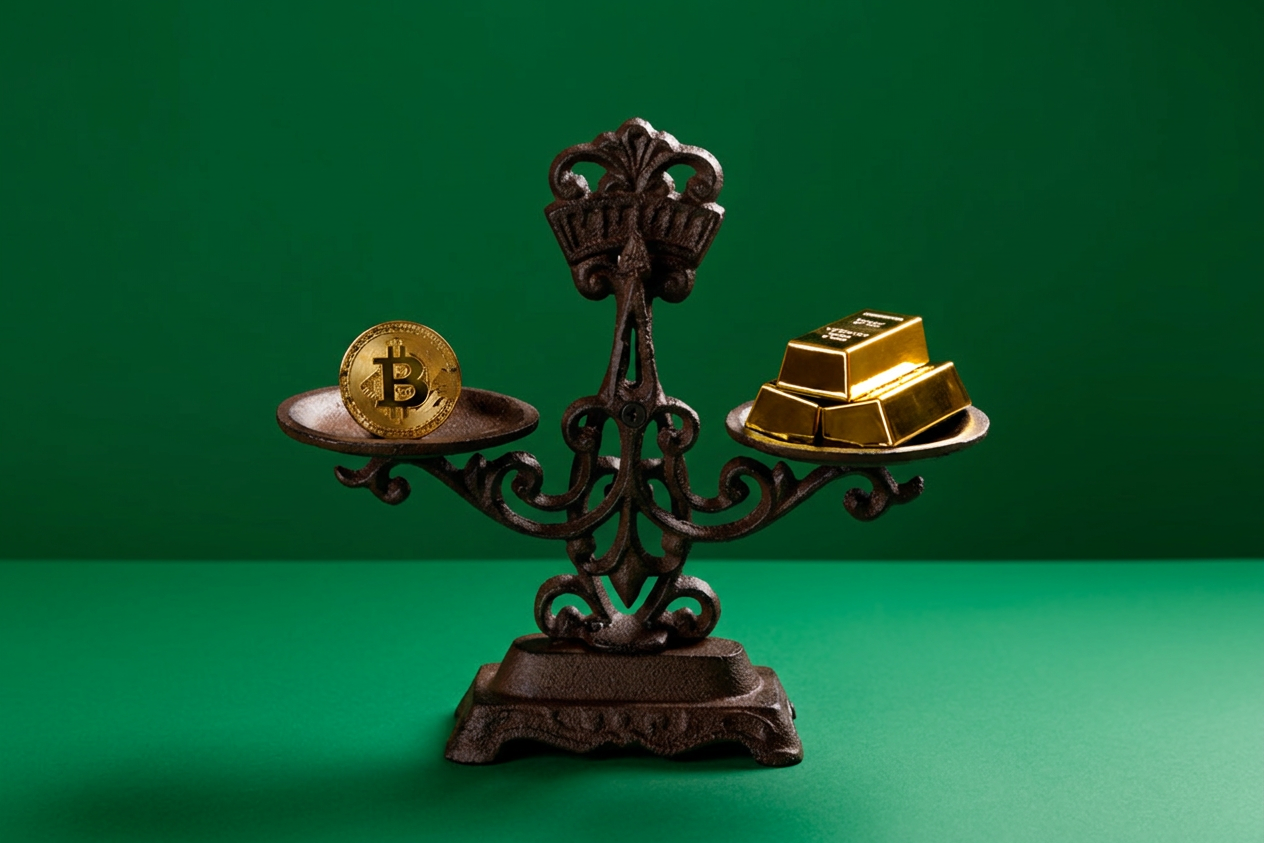
Bitcoin is the world’s largest cryptocurrency and the market’s reserve asset, with a simple model built around digital scarcity. It operates on a decentralised network with a capped supply and deep liquidity, which is why traders often watch Bitcoin as the tone-setter for the wider crypto sector. When Bitcoin holds firm, risk appetite can spread across the market. When it sells off, most crypto assets usually feel the pressure. Look at how asset dynamic factors compare within our gold vs cryptocurrency guide.
The upside scenario: is supported by ETF demand, long-term scarcity and any move toward easier monetary policy.
The downside scenario: is that Bitcoin remains sensitive to higher yields, a stronger US dollar and ETF outflows.
Ethereum is a blockchain used for decentralised finance, tokenised assets, stablecoins and smart contracts. Its simple model is selling blockspace, with users and applications paying to transact on the network and related scaling systems. Traders watch ETH because it remains crypto’s main infrastructure trade, linked to activity across finance, tokenisation and blockchain-based applications.
The upside scenario: is continued use across finance and tokenisation.
The downside scenario: is competition from Solana, layer 2 networks and other blockchains. Lower fees may help adoption, but they can also raise questions about how much value flows back to ETH.
Solana is a fast, low-cost blockchain built for trading, apps and high-volume transactions. Its simple model is cheap, scalable infrastructure, which makes it closely watched when market risk appetite improves. Traders watch SOL because it often moves sharply during stronger crypto sentiment, particularly when activity builds around decentralised trading, applications and developer momentum.
The upside scenario: is strong network activity, decentralised trading and continued developer interest.
The downside scenario: is that high-beta assets cut both ways. SOL can rally quickly, but it can also fall hard when sentiment cools.
XRP is the token associated with Ripple and the cross-border payments narrative. Its simple model is faster settlement infrastructure for moving value across borders, which gives it a different market story from Bitcoin and Ethereum. Traders watch XRP because its drivers are often linked to payments, regulation and institutional interest, rather than only broader crypto risk appetite.
The upside scenario: is ETF speculation, clearer regulation and payment-sector adoption.
The downside scenario: is competition from banks, fintechs, stablecoins and central bank projects. A strong payments story does not automatically guarantee token demand.
BNB is the token linked to the Binance ecosystem and BNB Chain. Its simple model is exchange utility, trading activity and network usage, with traders watching BNB because Binance remains one of the world’s most important crypto venues. When trading volumes rise or ecosystem activity improves, BNB can attract market attention.
The upside scenario: is stronger market volumes and continued ecosystem use.
The downside scenario: is regulatory risk. Exchange-linked tokens are exposed not only to crypto sentiment, but also to confidence in a specific platform.
Dogecoin is the original meme coin and one of the most liquid retail-driven crypto assets. Its simple model is community, culture and speculation, which may sound thin, but in crypto, attention can move markets. Traders watch DOGE because it often returns to screens when retail risk appetite improves and traders start moving beyond Bitcoin and Ethereum.
The upside scenario: is renewed retail interest and stronger appetite for speculative assets.
The downside scenario: is that sentiment is the product. If enthusiasm fades, support can fade with it.
Cardano is a smart-contract blockchain with a research-heavy development approach. Its simple model is to host decentralised applications, governance tools and blockchain-based finance, giving it a role in the broader large-cap altcoin landscape. Traders watch ADA because it has a large global following and can move strongly during altcoin rotations.
The upside scenario: is catch-up demand if large-cap altcoins regain favour.
The downside scenario: is adoption. Markets eventually ask whether users, applications and activity justify the price move.
TRON is a blockchain widely used for stablecoin transfers. Its simple model is low-cost transaction infrastructure, especially for dollar-linked tokens, which gives it exposure to one of crypto’s clearer real-world use cases. Traders watch TRX because stablecoin activity can signal demand for fast and low-cost global transfers.
The upside scenario: is continued demand for cheap global transfers.
The downside scenario: is that network activity does not always translate neatly into token upside. Usage matters, but so does how value accrues to TRX.
Hyperliquid is linked to a decentralised derivatives trading platform. Its simple model is exchange-like exposure to crypto trading activity, especially perpetual futures, which are contracts used to speculate on price without an expiry date. Traders watch HYPE because derivatives are where crypto speculation often concentrates, and rising activity can quickly lift attention around trading-linked tokens.
The upside scenario: is rising trading volume and demand for decentralised exchanges.
The downside scenario: is competition. Trading platforms can gain users quickly, but incentives, fees and liquidity can shift just as quickly.
Zcash is a privacy-focused cryptocurrency. Its simple model is optional transaction privacy, allowing users to shield certain payment details, which gives it a clear point of difference in the crypto market. Traders watch ZEC because privacy coins can move sharply on regulation, exchange access and demand for confidentiality.
The upside scenario: is a clear, differentiated use case.
The downside scenario: is regulatory scrutiny. Privacy coins often face tougher questions from exchanges and policymakers, which can affect liquidity and confidence.
What could go wrong?
The bullish logic is straightforward: if liquidity improves, ETF demand stabilises and traders rotate into higher-risk assets, volatile cryptos can benefit. But that logic can fail. Good news may already be priced in. Inflation or rate expectations could move against risk assets. ETF outflows could return. In a sell-off, crypto correlations often rise, meaning assets with different stories can suddenly trade like the same risk position.
There is also a difference between the headline and the asset-specific reality. Bitcoin is about liquidity and scarcity. Ethereum is infrastructure. Solana is high-speed activity. XRP is payments. Dogecoin is sentiment. TRON is stablecoin rails. Zcash is privacy. For newer traders following the space, that distinction is the point.
Crypto volatility is not always random. The move usually has a driver: rates, flows, regulation, network activity, exchange volume or sentiment. Understanding that driver will not remove the risk. But it can make the market easier to read.
Trade it. Analyse it. Power it with MT5.
MetaTrader 5 gives you advanced charts, smarter tools and a faster way to trade global markets with GO Markets.